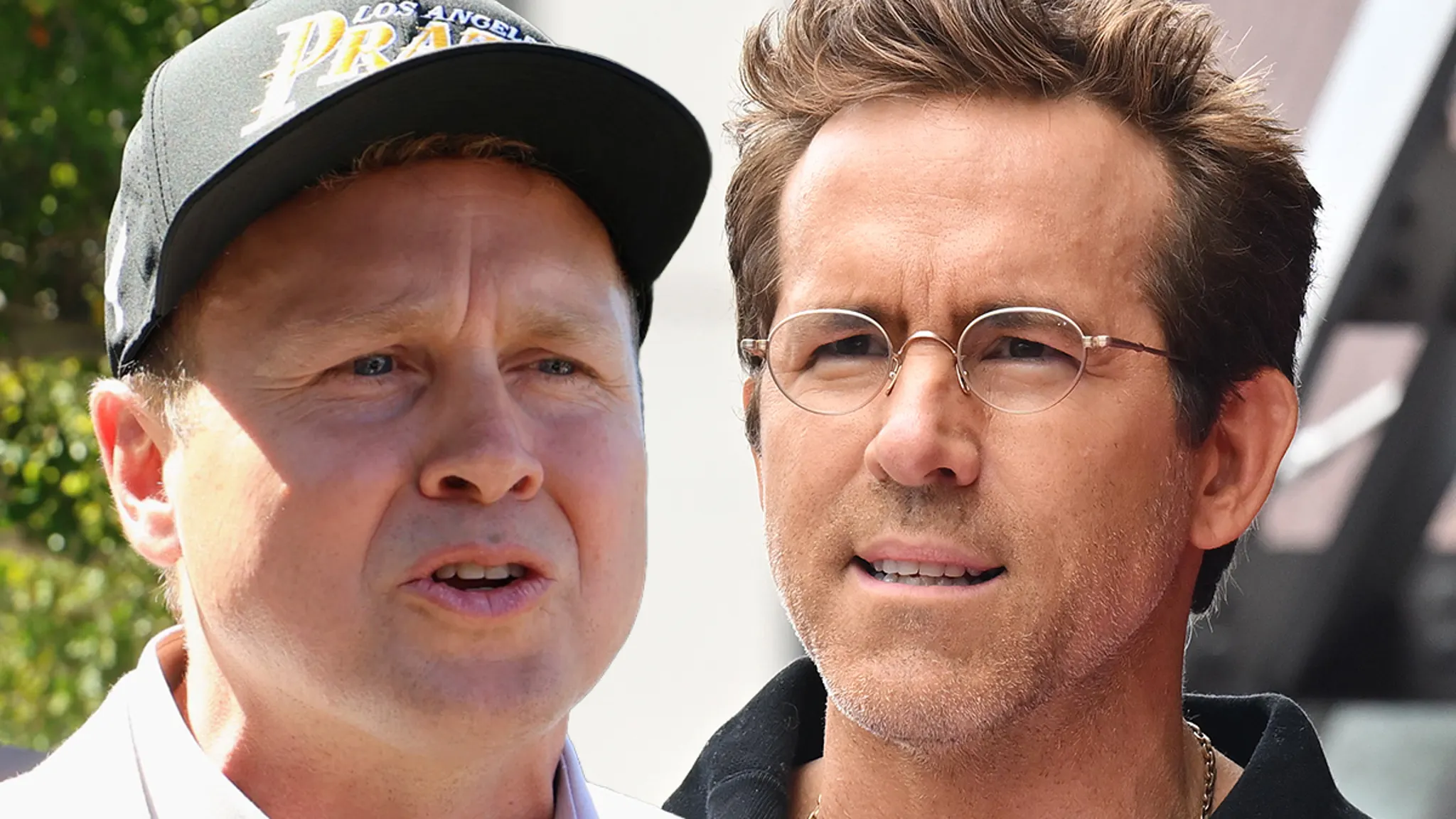
The Academy Awards, commonly known as the Oscars, have been a staple of the entertainment industry for nearly a century. Since its inception in 1929, it has recognized cinematic brilliance and honored Hollywood’s greatest talents. Yet, with all the glamour and glitz, the Oscars have often been embroiled in controversy, momentous events that have stirred public opinion, challenged societal norms, and sparked debates that transcend the film industry itself.
Here, we delve into some of the most shocking and unforgettable controversies in Oscar history.
Will Smith’s Slap Heard Around the World

The 2022 Oscars will forever be remembered for the shocking incident involving actor Will Smith slapping comedian Chris Rock on stage. The incident occurred after Rock made a joke about Jada Pinkett Smith’s shaved head, referring to her as “G.I. Jane 2.” While Pinkett Smith rolled her eyes, Will Smith initially laughed at the joke. However, in a sudden outburst, Smith stormed the stage and slapped Rock across the face. He then returned to his seat and shouted at Rock to refrain from making further comments about his wife.
Despite later winning the Best Actor Oscar for his role in King Richard, Smith’s violent act overshadowed his achievement and dominated media coverage. The moment raised questions about the boundaries of acceptable behavior at such a prestigious event and sparked debates about the role of comedians, the power dynamics in Hollywood, and the emotional pressures actors face in the public eye. It was a watershed moment in the Oscars’ history, one that would change how future ceremonies are approached.
The Roman Polanski Affair

The Academy’s 2003 Best Director Oscar for The Pianist, awarded to director Roman Polanski, remains one of the most controversial moments in Oscar history. Polanski had fled the United States in 1978 after being charged with drugging and raping a 13-year-old girl. Despite being a fugitive, Polanski continued his career in Europe and was lauded for his film The Pianist, which earned him the coveted Oscar.
This award, however, reignited the question of whether the Oscars should honor individuals with tarnished reputations. Polanski’s win sparked outrage, with many arguing that the Academy had turned a blind eye to his past. Notably, despite his fugitive status, the director continued to receive support from various Hollywood elites. The controversy surrounding Polanski’s Oscar win casts a long shadow on the Academy’s legacy, raising significant ethical questions about whether artistic achievement should be separated from personal conduct.
Hattie McDaniel’s Bittersweet Victory

In 1940, Gone with the Wind star Hattie McDaniel became the first African American to win an Academy Award for Best Supporting Actress. While her victory was celebrated as a major step forward for Black representation in Hollywood, McDaniel’s win was not without its complications. At the time, segregation was still rampant in the United States, and McDaniel faced racism both within the industry and from the public.
Despite her groundbreaking achievement, McDaniel was forced to sit in a segregated section at the awards ceremony and was denied access to the afterparty where her co-stars, including Clark Gable and Vivien Leigh, celebrated. This dichotomy between McDaniel’s triumph and the harsh realities of racial discrimination laid bare the complexities of Hollywood’s treatment of African American talent during that era. Though her win was a historical milestone, it underscored the ongoing struggles faced by Black actors in the film industry.
The Streaker of 1974
Perhaps one of the most unexpected and bizarre interruptions in Oscars history occurred in 1974 when a streaker named Robert Opel crashed the stage during the Academy Awards. Opel, posing as a member of the press, streaked across the stage while David Niven was introducing Elizabeth Taylor. The surreal moment left the audience stunned, but Niven, ever the professional, quipped, “Ladies and gentlemen, that was almost bound to happen.”
Although Opel’s streaking stunt was completely unscripted, it made headlines the next day and contributed to a unique moment in the history of the Academy Awards. Opel’s stunt, though shocking, reflected a growing counterculture movement in the 1970s, where boundaries were being pushed, even in such a refined institution as the Oscars.
Sacheen Littlefeather’s Historic Protest

In 1973, actress and activist Sacheen Littlefeather made an unforgettable stand at the Academy Awards when she refused to accept the Oscar on behalf of Marlon Brando, who won Best Actor for The Godfather. Brando had boycotted the ceremony in protest of Hollywood’s mistreatment of Native Americans, and Littlefeather, who was of Apache and Yaqui descent, delivered a speech condemning the industry’s portrayal of Native American people.
Though Littlefeather’s act of defiance was significant, her legacy became mired in controversy years later. After her death, two of her biological sisters claimed that she had fabricated her Native American heritage, adding a layer of complexity to her already complicated place in Oscar history. Despite the accusations, Littlefeather’s protest remains a defining moment for Native American representation in Hollywood.
The 2017 Oscars Mix-Up
The 2017 Academy Awards are infamous for a major mix-up during the announcement of the Best Picture award. Hollywood legends Warren Beatty and Faye Dunaway, tasked with presenting the award, mistakenly announced La La Land as the winner. As the La La Land cast and crew took the stage and began their acceptance speeches, producers quickly realized the error and had to correct it live on air.
Moonlight, the true winner, was announced amidst confusion and embarrassment. The mistake, caused by Beatty being handed the wrong envelope, led to an awkward and unforgettable moment in Oscars history. While Moonlight deservedly won, the mix-up became the talk of the evening and overshadowed the accomplishments of both films. The incident raised questions about the Academy’s reliance on a third-party accounting firm, PricewaterhouseCoopers (PwC), and its ability to handle such a crucial moment.
Conclusion
The Oscars have long been a reflection of society’s evolving values and, as such, have not been immune to controversies that challenge prevailing norms. From Roman Polanski’s controversial Oscar to the shocking slap by Will Smith, these moments serve as a reminder that the Academy Awards are not just about celebrating cinema but also about confronting issues of power, race, ethics, and the very fabric of Hollywood itself.
As the Oscars continue to evolve, so too will the controversies that surround them—proving that even in an institution as prestigious as the Academy Awards, drama is often just as much a part of the show as the films themselves.