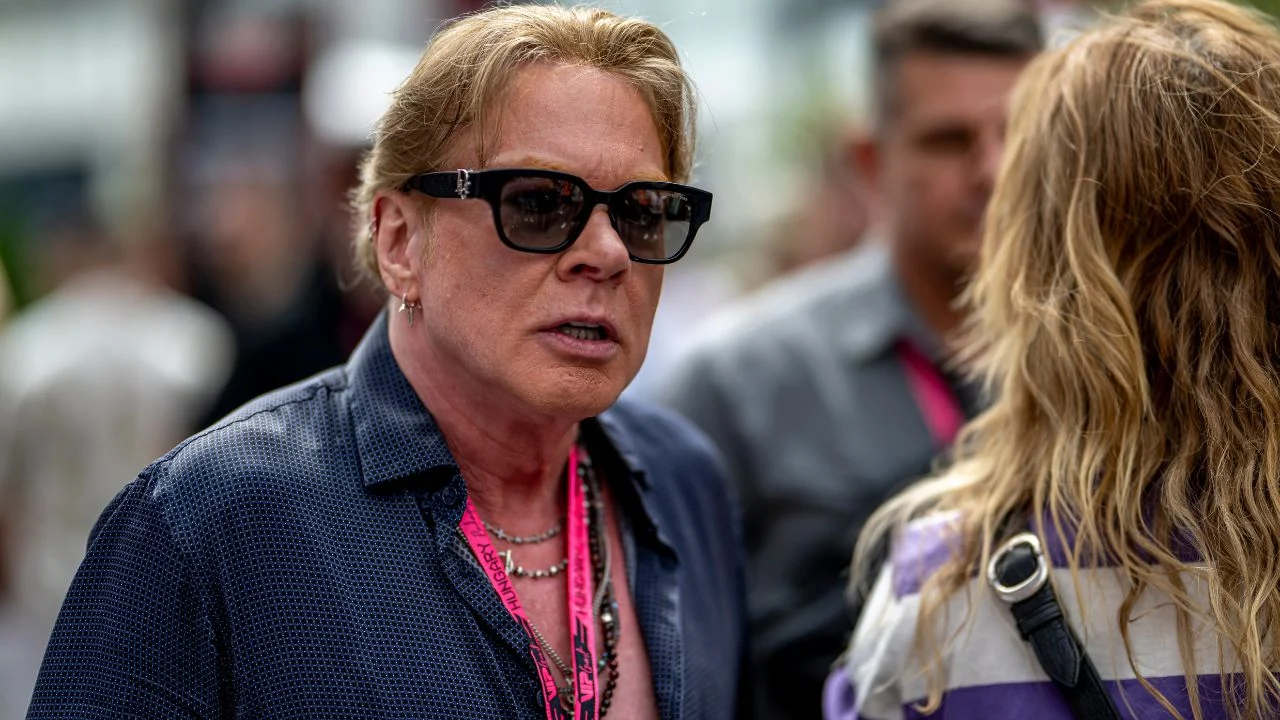
Actors often immerse themselves in their roles to deliver authentic performances, and some go beyond the ordinary to achieve perfection. They dive into extreme physical, psychological, and emotional transformations, challenging the boundaries of conventional acting. These actors employ groundbreaking, sometimes controversial methods to embody their characters, making the role a part of their very essence.
Here are the most striking and unconventional approaches actors use to get into character.
Meryl Streep
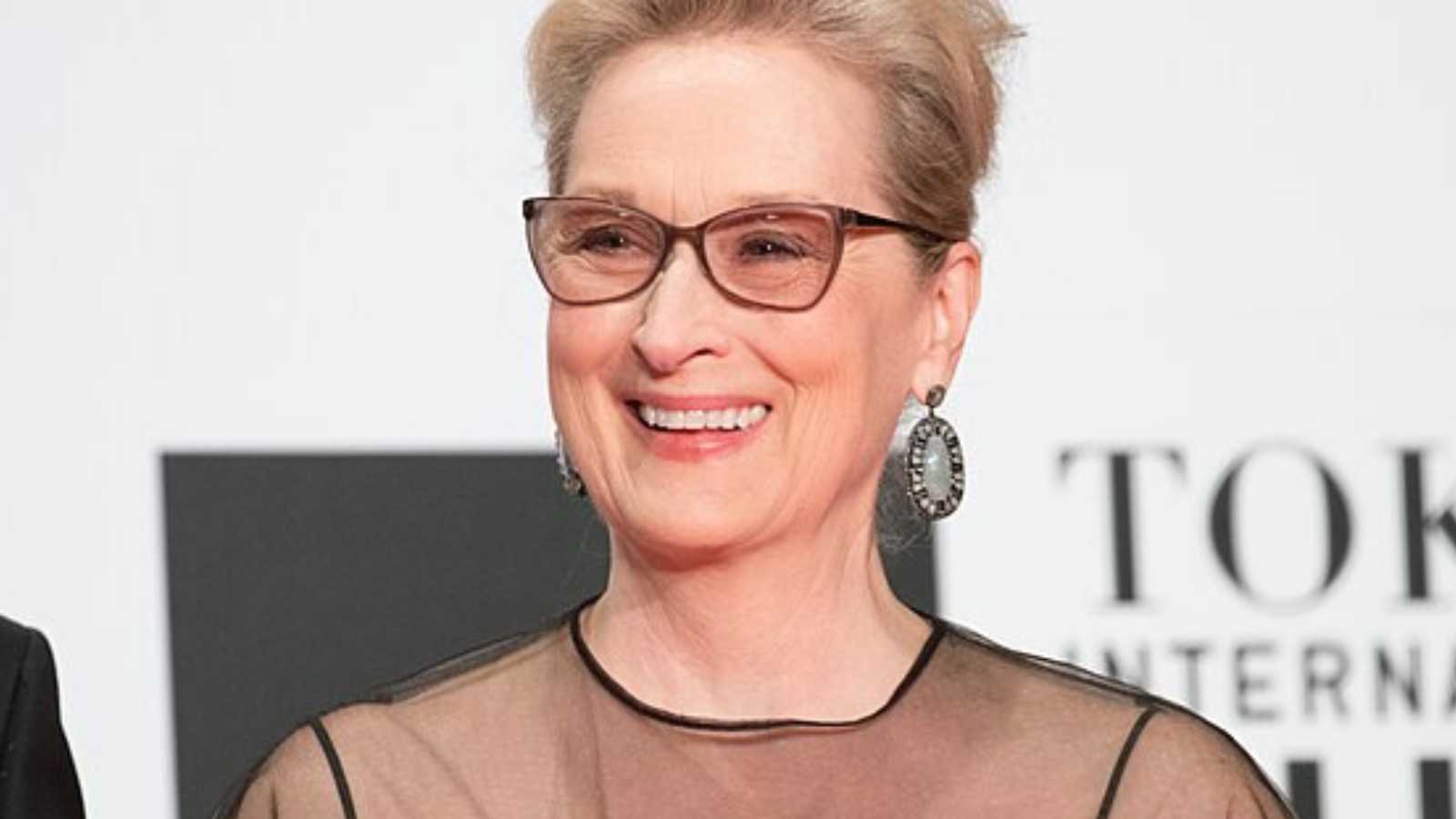
Meryl Streep is one of Hollywood’s most versatile actresses, and her method of preparing for roles is unparalleled. For her role in Sophie’s Choice (1982), Streep learned Polish and German to portray a Holocaust survivor authentically. She worked diligently with a coach to perfect the languages and even adopted a Polish accent when speaking English. This attention to detail elevated her performance, helping her win the Academy Award for Best Actress.
Streep’s commitment to mastering different accents continued in Out of Africa (1985), where she perfected a Danish accent, and in The Iron Lady (2011), where she transformed her voice to mirror that of former British Prime Minister Margaret Thatcher. Streep’s transformations of language and accent are a testament to her dedication to creating nuanced, multidimensional characters.
Daniel Day-Lewis
Daniel Day-Lewis is notorious for his unwavering commitment to method acting. For Day-Lewis, getting into character is not just a job, it’s a way of life. His intense dedication to his roles is legendary. While filming My Left Foot, Day-Lewis refused to break character as Christy Brown, a man with cerebral palsy. He insisted on being fed and carried by the crew, never once stepping out of the wheelchair. This approach allowed him to authentically portray his character’s struggles, resulting in a memorable and touching performance that earned him an Academy Award.
Similarly, for his role in Lincoln, Day-Lewis spent months researching every aspect of Abraham Lincoln’s life and even insisted on being addressed as “Mr. President” by the cast and crew. His meticulous approach to embodying Lincoln’s voice and persona solidified his reputation as one of the most committed and talented actors of his generation.
Shia Labeouf
Shia LaBeouf is known for his extreme and sometimes controversial approach to method acting. For his role in Fury (2014), LaBeouf took his dedication to new heights. He refused to shower for weeks, living in unsanitary conditions like those his character, a soldier in World War II, endured. To further immerse himself in the role, LaBeouf had a tooth pulled by his dentist to make his appearance more authentic.
LaBeouf’s commitment didn’t end there. For The Tax Collector (2020), he lived on the streets and even joined gang members to better understand his character’s world. His willingness to go to such extremes blurs the line between fiction and reality, raising both admiration and concern for his approach to acting.
Natalie Portman
For Black Swan (2010), Natalie Portman undertook one of the most grueling transformations in Hollywood. To portray a professional ballerina, Portman trained for five to eight hours a day for an entire year, preparing for the physically demanding role. The rigorous ballet training led to injuries, including a dislocated rib, but Portman’s determination to give an authentic performance never wavered.
Portman also cross-trained in swimming and weightlifting to build the necessary strength and stamina to perform on pointe. Her dedication to mastering the craft of ballet earned her an Academy Award for Best Actress and solidified her reputation as one of Hollywood’s most committed actresses.
Heath Ledger
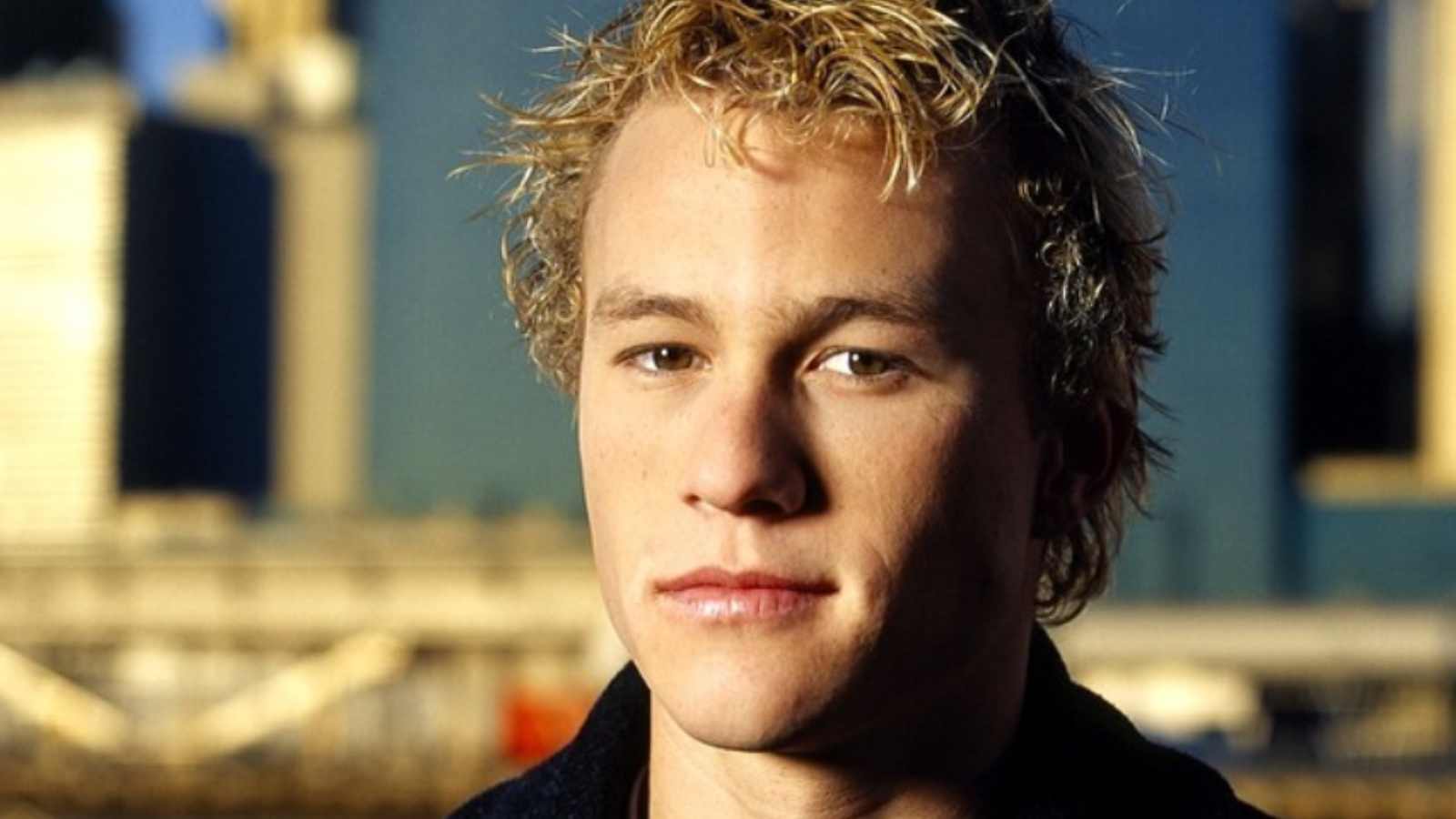
Heath Ledger’s portrayal of the Joker in The Dark Knight (2008) is iconic and unforgettable. To prepare for this chaotic character, Ledger isolated himself in a hotel room for six weeks. During this time, he delved deeply into the Joker’s mind, journaling disturbing thoughts and drawings that would later influence his portrayal of the character. Phrases like “I am an agent of chaos” and eerie illustrations of twisted smiles captured the Joker’s essence and informed his groundbreaking performance.
Ledger’s commitment extended to experimenting with the Joker’s laugh, voice, and physicality. The transformation wasn’t just psychological—it was physical, with Ledger fully embracing the Joker’s anarchic nature. His intense commitment to the character, combined with the psychological toll of such a dark role, ultimately led to a posthumous Oscar win, cementing his place in Hollywood history.
Christian Bale
Christian Bale has long been known for his radical physical transformations to portray his characters. In The Machinist (2004), Bale lost an astonishing 60 pounds, living on a strict diet of water, coffee, and minimal food. His skeletal appearance shocked audiences, but his transformation into a sleep-deprived, mentally ill character was nothing short of remarkable. Bale’s body quickly became a tool to deepen his character’s inner turmoil.
But Bale’s transformations don’t stop there. After The Machinist, he bulked up by 100 pounds to play Batman in Batman Begins. His dedication to transforming his body for each role, whether gaining muscle for American Hustle or shedding weight for The Fighter, shows his complete investment in delivering a believable, authentic performance, no matter the cost.
Jared Leto
Jared Leto’s preparation for the role of the Joker in Suicide Squad (2016) took method acting to extreme and, at times, unsettling lengths. Leto sent disturbing gifts to his co-stars to embody the Joker’s chaotic personality. Gifts like live rats, bullets, and even a dead pig left many on set feeling uncomfortable. But for Leto, this was part of his process to bring the character’s madness to life.
Leto remained in character throughout the filming, often using the Joker’s voice and laugh even when not on camera. His commitment to staying in character off-camera sparked debates about the ethical boundaries of method acting. Nevertheless, Leto’s portrayal of the Joker was undoubtedly one of the most polarizing and memorable performances of his career.
Jim Carrey
Jim Carrey’s portrayal of comedian Andy Kaufman in Man on the Moon (1999) was a masterclass in immersive method acting. Carrey didn’t just act like Kaufman; he became Kaufman, both on and off the set. Carrey stayed in character throughout the production, embodying Kaufman’s eccentric persona in ways that confused and mystified those around him.
Carrey also portrayed Kaufman’s abrasive alter ego, Tony Clifton, who would make random appearances and create chaos on set. This blurred the line between actor and character, and Carrey’s intense commitment to the role was documented in the film Jim & Andy: The Great Beyond (2017). His performance was a tribute to Kaufman’s unique life and legacy.
Lady Gaga
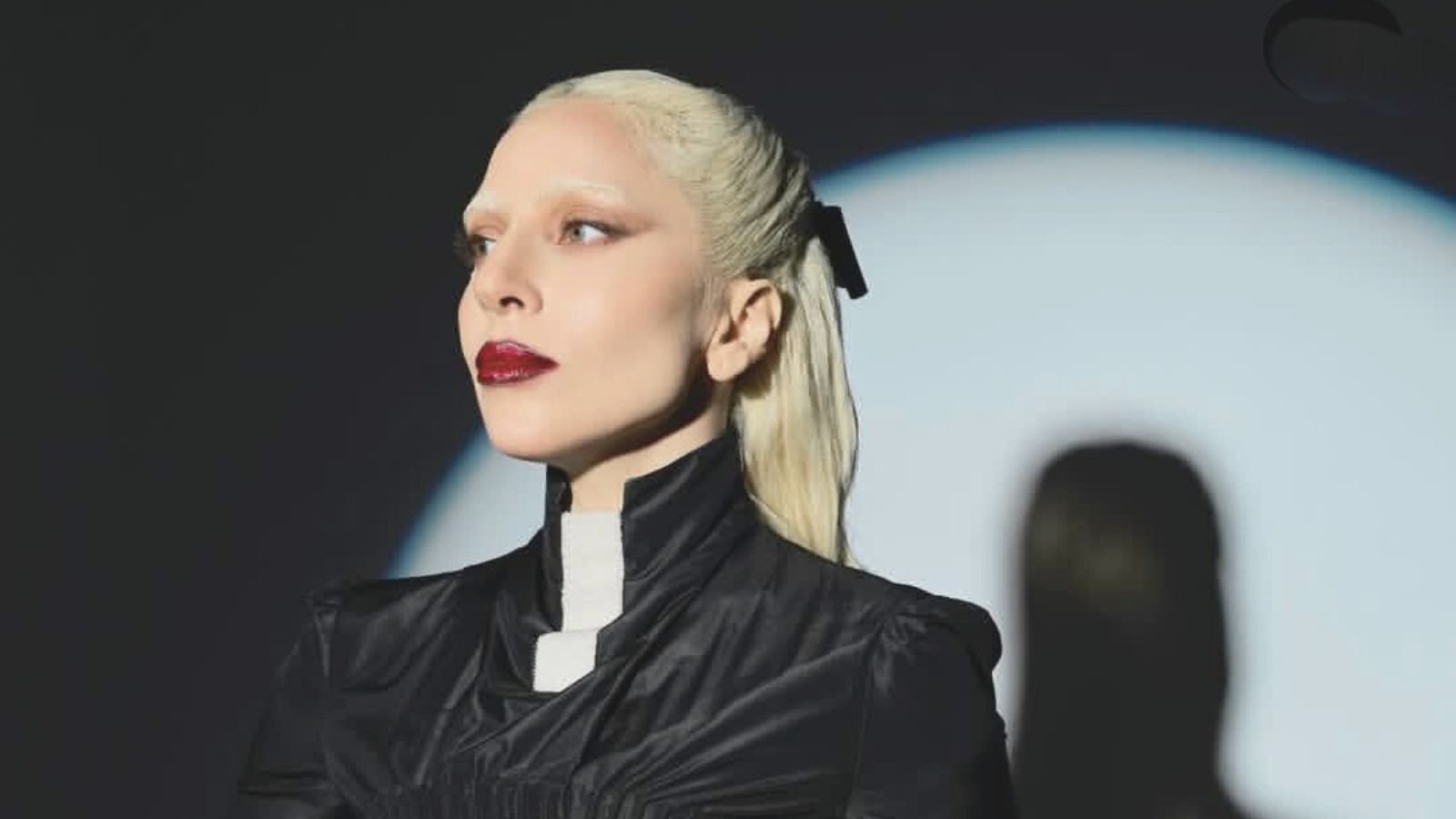
Lady Gaga’s role as Patrizia Reggiani in House of Gucci (2021) is another example of method acting taken to new heights. Gaga immersed herself in Italian culture to capture the essence of her character. She spent months perfecting her Italian accent, speaking in it even when off set.
She also studied Reggiani’s background, researching her family, customs, and Italian fashion to bring depth to her portrayal. Gaga’s commitment extended to wearing vintage Italian fashion and embracing the character’s lifestyle. Her immersion enabled her to embody Reggiani’s personality authentically, resulting in a nuanced performance that received widespread critical acclaim.
Leonardo Dicaprio

Leonardo DiCaprio’s performance in The Revenant (2015) is legendary not just for the role itself but for the extreme conditions he endured to bring the character to life. To portray frontiersman Hugh Glass, DiCaprio subjected himself to brutal cold, sleeping inside animal carcasses and enduring frigid temperatures while filming in remote Canadian locations.
In one infamous scene, DiCaprio ate raw bison liver, despite being a longtime vegetarian. His willingness to endure physical hardships to create an authentic portrayal of survival in the wild earned him his first Academy Award for Best Actor. DiCaprio’s commitment to his craft exemplifies the lengths some actors go to in order to portray real survival in extreme conditions.
Conclusion
These actors prove that getting into character is more than just memorizing lines and following a script. Their dedication to transforming themselves physically, mentally, and emotionally for their roles is a testament to the lengths they’ll go to for their craft. Whether through extreme physical changes, isolation, or cultural immersion, these actors have set the bar for method acting. Their commitment has produced some of the most iconic performances in cinematic history, reminding us that acting is more than just a job; it’s a transformative journey into the heart of a character.