In the world of cinema, one thing is certain: change is inevitable. Movie franchises, much like characters within them, evolve.
The shift from gritty, intense narratives to lighter, more commercialized content can be jarring, often leaving fans wondering what happened to the dark, edgy charm that once defined these series.
What was once a harrowing journey through chaos and destruction might end up becoming a cartoonish parody of itself. These drastic tonal shifts can surprise even the most devoted fans and can leave a lasting impact on how a franchise is remembered.
Let’s dive into 10 movie franchises that began as darker, more serious affairs but ultimately took a softer, more playful turn.
James Bond

The iconic James Bond series has undergone one of the most notable transformations in film history. Originally portrayed as a suave, but ruthlessly efficient spy, Sean Connery’s Bond was gritty and serious.
The early Bond films, such as Dr. No and From Russia With Love, focused on espionage and danger, with Bond using his wits and skills to outmaneuver his enemies. However, as the years went on, the tone of the Bond movies shifted significantly.
When Roger Moore took over the role in Live and Let Die, the franchise began to embrace campy humor and over-the-top gadgetry. Villains became more eccentric, the plots sillier, and Bond himself, more of a punchline than a killer.
The latter Brosnan era continued this trend, emphasizing action spectacle over espionage, and it was only with Daniel Craig’s introduction that Bond returned to his darker, more serious roots, albeit with a much more vulnerable side to the character.
Batman
Tim Burton’s Batman (1989) was a dark, atmospheric reimagining of the Caped Crusader. With its gothic architecture, grim themes, and an iconic performance by Michael Keaton, it set the tone for a more serious, psychologically complex Batman.
The sequel, Batman Returns (1992), delved even deeper into Burton’s trademark dark fantasy, with grotesque villains and a bleak, almost suffocating atmosphere.
However, after Burton’s departure, Joel Schumacher took the reins, and with Batman Forever (1995), the tone shifted dramatically. The neon lights, colorful villains, and lighter tone made the franchise feel almost like a parody of itself.
The disaster that was Batman & Robin (1997) cemented the shift, transforming Batman into a caricature. It wasn’t until Christopher Nolan’s Batman Begins (2005) that the character returned to a more grounded, serious narrative.
Terminator
The Terminator franchise, created by James Cameron, originally explored themes of artificial intelligence, time travel, and the apocalypse. The Terminator (1984) was a chilling horror-sci-fi hybrid, with Arnold Schwarzenegger’s cyborg killer relentlessly pursuing Sarah Connor.
The film’s grim atmosphere and the looming threat of humanity’s extinction struck a nerve with audiences.
However, as the franchise continued, the tone gradually lightened. Terminator 2: Judgment Day (1991) introduced a more humanized Terminator, and the focus shifted to action-packed spectacle.
With later installments like Terminator 3: Rise of the Machines (2003) and Terminator Genisys (2015), the films relied more on flashy action and less on the gritty, dire consequences of AI domination. The once-feared Terminators became more of a spectacle than a true threat.
Lethal Weapon
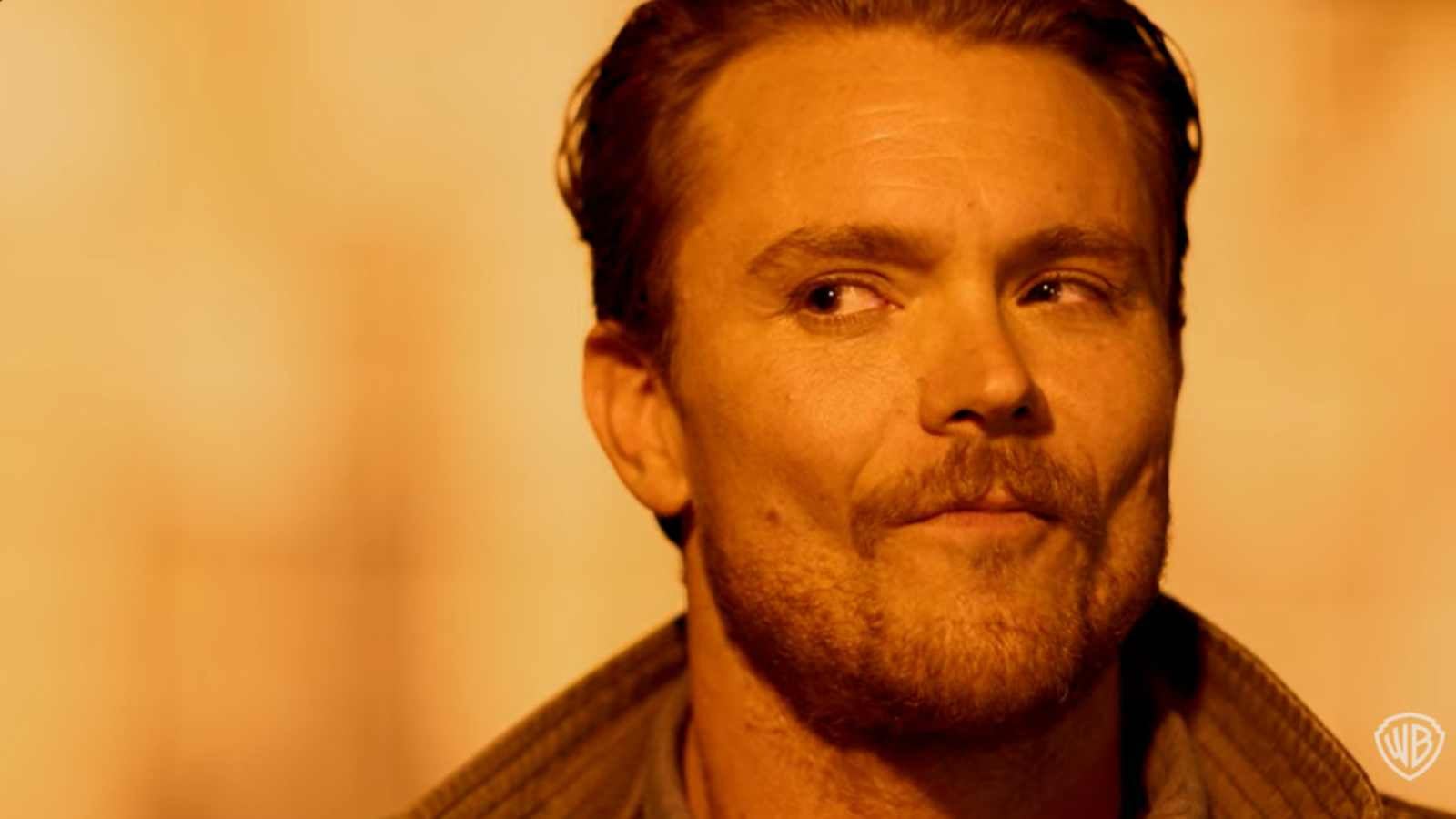
The original Lethal Weapon (1987) was a dark and gritty buddy cop film that centered on the struggles of Martin Riggs, a suicidal cop, and his partner, Roger Murtaugh, who was nearing retirement.
The film explored themes of grief, mental illness, and trauma, but at its core, it was a story of unlikely friendship and redemption.
As the series progressed, however, the films grew lighter in tone. By Lethal Weapon 2 (1989), the humor and banter between Riggs and Murtaugh became more prominent, and by Lethal Weapon 4 (1998), the films had fully embraced a comedic, buddy-cop formula.
The addition of goofy side characters like Leo Getz turned the once-serious series into a family-friendly action romp.
Godzilla
Godzilla, the iconic kaiju, first appeared in Gojira (1954), a film that used the monster as a metaphor for nuclear destruction. The film’s somber tone, coupled with its depiction of a society ravaged by the effects of atomic testing, set the stage for the franchise’s dark beginnings.
Godzilla was a harbinger of doom, a terrifying creature that symbolized humanity’s hubris in the face of nuclear power.
Over time, however, Godzilla became a more sympathetic figure. By the 1960s, the monster was being reimagined as a protector of humanity, and the films’ tone grew lighter.
The kaiju battles became more like wrestling matches, with Godzilla and other monsters engaging in ridiculous, over-the-top brawls.
This shift in tone continued for decades, with later films leaning into the absurdity of giant monsters fighting for the entertainment of a younger audience.
Evil Dead
The Evil Dead franchise began as a low-budget horror film, with Sam Raimi’s The Evil Dead (1981) taking audiences on a horrifying journey into the woods, where a group of friends becomes possessed by demonic forces.
The film was shocking, brutal, and genuinely terrifying, establishing Ash Williams as an unlikely hero battling dark forces.
However, as the series progressed, the tone shifted dramatically. Evil Dead II (1987) retained some horror elements but leaned into slapstick humor and absurdity.
Army of Darkness (1992) fully embraced the comedy, with Ash turning into a wisecracking, action-hero parody. Later iterations, including the TV series Ash vs Evil Dead, continued this trend, blending horror and comedy into an irreverent cocktail that became the franchise’s trademark.
Predator
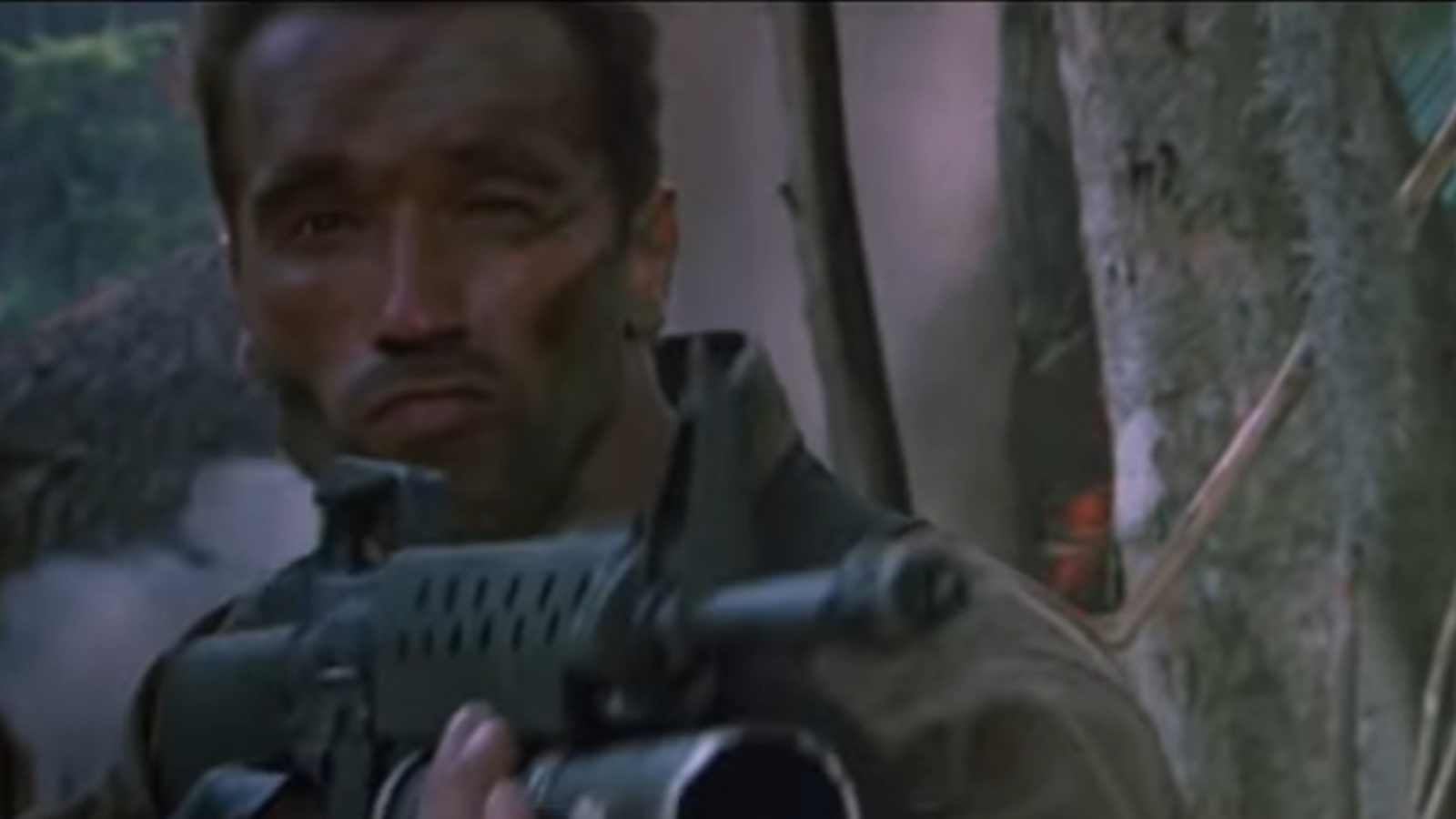
Predator (1987) introduced audiences to a terrifying extraterrestrial hunter who stalked a group of elite soldiers in the jungle. The film combined sci-fi horror with military action, creating a tense and unforgiving atmosphere.
The alien itself, a relentless and highly skilled predator, was an unstoppable force that blended horror and action into a perfect blend.
But as the franchise expanded, the Predator itself became less of a horrifying figure and more of an action hero.
The Alien vs. Predator films (2004 and 2007) featured the creatures as gladiators in a battle for supremacy, and later standalone films like Predators (2010) and The Predator (2018) turned the deadly alien into more of an action spectacle than a lurking terror.
Shrek
The Shrek franchise began with a satirical and cynical take on fairy tales. The first film, released in 2001, followed an antihero ogre, Shrek, who was forced to save a princess in a world filled with absurd, exaggerated fairy-tale tropes.
The film poked fun at everything from Disney’s romanticism of fairy tales to societal expectations.
However, as the series continued, the sharp wit and satirical edge were dulled. By Shrek 2 (2004), the franchise had softened, with Shrek settling into a more conventional role as a lovable protagonist.
The humor became less biting, and the characters evolved into more traditional, family-friendly archetypes, leaving behind the edginess that defined the original film.
Robocop
RoboCop (1987) was a gritty and violent film that explored themes of corporate greed, the loss of humanity, and the dystopian future of law enforcement.
The titular character, Alex Murphy, is transformed into a cybernetic cop, but the film never shies away from the gruesome reality of his situation. It was a biting critique of consumerism and authority, wrapped in a violent, action-packed narrative.
The sequels, however, moved away from this dark, dystopian tone. RoboCop 2 (1990) and RoboCop 3 (1993) toned down the violence and incorporated more comedic elements.
By the time the 2014 remake came out, the franchise had completely shifted to a more mainstream, action-packed spectacle, with a PG-13 rating and an emphasis on bombast over subtext.
The Expendables

The Expendables franchise began as an homage to 1980s action films, featuring aging action stars like Sylvester Stallone, Arnold Schwarzenegger, and Bruce Willis.
The first film, The Expendables (2010), was a bloody, R-rated action film that captured the essence of gritty, violent combat. The focus was on practical stunts and real, physical action.
However, as the series continued, the emphasis shifted from practical effects to CGI-heavy spectacle.
The Expendables 3 (2014) notably toned down the violence and went for a PG-13 rating, with more emphasis on younger action stars and less on the hard-hitting action that defined the first film.
The latest installment, The Expendables 4 (2023), continues this trend, with more reliance on digital effects and less focus on the brutal, old-school action fans had come to expect.
Conclusion
The evolution of these franchises from dark, intense stories to lighter, more commercialized fare speaks to the shifting tastes and expectations of audiences over time.
While some fans may long for the grittier origins of these franchises, others have embraced the changes, finding new forms of entertainment in the softer, more accessible versions.
Whether these transformations have been for better or worse is up for debate, but one thing is clear: the shift in tone has left an indelible mark on the film landscape.