Horror films are meant to provoke emotions, shake the mind, and test the limits of fear. While many are designed to entertain, some go beyond what most audiences are willing to stomach, challenging societal norms and crossing moral boundaries. Over time, these films have faced bans in various countries for being deemed “too disturbing” or “too controversial.”
Despite these bans, many have gained a cult following, and their notoriety only serves to fuel their mystique.
I Spit On Your Grave
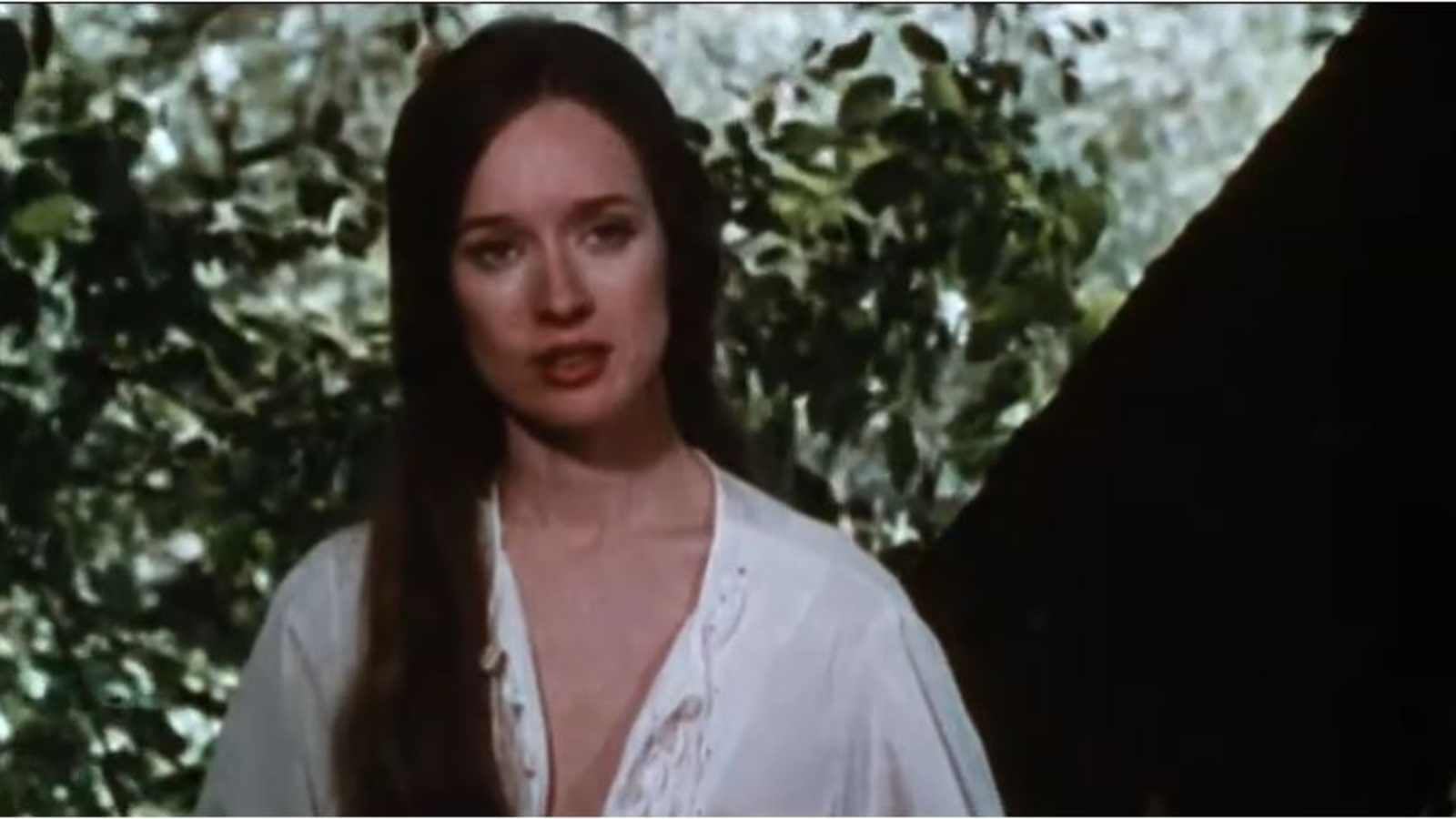
Released in 1978, I Spit On Your Grave is infamous for its graphic depiction of rape and subsequent revenge. The film follows a woman who is brutally assaulted by a group of men, only to later seek violent retribution. Critics at the time decried it as reprehensible, with renowned critic Roger Ebert calling it “so sick, reprehensible and contemptible” that he could barely believe it existed.
Due to its unflinching portrayal of sexual violence, I Spit On Your Grave was banned in multiple countries, including the UK, Canada, and Australia. While some nations later allowed it to be released in censored forms, countries like Ireland continue to keep it banned. Despite this, the film found an audience, with its legacy living on in the annals of controversial horror cinema.
Cannibal Holocaust
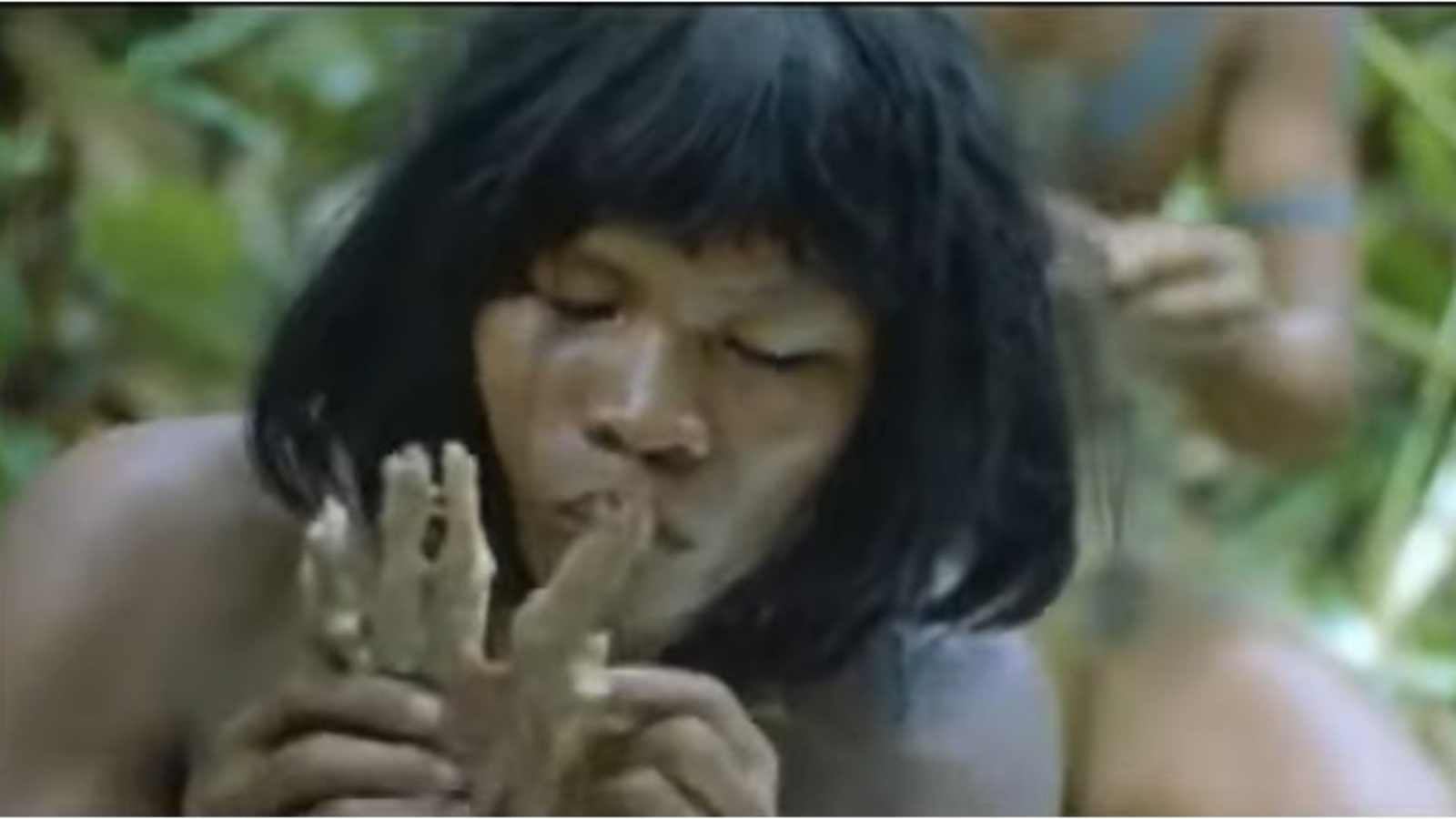
One of the first found-footage horror films, Cannibal Holocaust (1980), not only shocked audiences with its disturbing content but also led to the arrest of its director, Ruggero Deodato. The film presents a faux documentary about a missing film crew, with graphic depictions of real animal killings and staged human deaths, adding to its shock value. The movie’s level of realism led authorities to believe it was a snuff film.
Banned in several countries, including Italy, the UK, and Australia, it was deemed too explicit and violent for mass consumption. The real animal cruelty shown on screen further fueled its controversy, leading to a permanent ban in some regions, while others only allowed it after extensive cuts.
The Human Centipede 2 (Full Sequence)
The Human Centipede series is infamous for its grotesque and revolting premise. The second film, The Human Centipede 2 (Full Sequence), pushed boundaries to an extreme, deliberately aiming to shock and disgust. Its depiction of bodily mutilation and obscene acts led the British Board of Film Classification to refuse classification, stating that no amount of cuts would make the film acceptable.
Australia also demanded cuts, while New Zealand banned it outright. Though the film was eventually released in the UK and elsewhere in censored forms, it remains banned in certain regions due to its graphic content.
Land of the Dead
George A. Romero’s Land of the Dead (2005) was a relatively tame entry in the zombie genre compared to its predecessors, but it faced unexpected bans in some countries. The film, which depicts a post-apocalyptic world where the rich live in luxury while the poor struggle to survive, was banned in Ukraine due to its perceived similarities to the Holodomor, a man-made famine that killed millions of Ukrainians in the 1930s.
Despite this, Land of the Dead was accepted by other nations and was even classified as suitable for teens in places like Quebec and the UK. The movie’s ban raised questions about the intersection of art and historical memory, showcasing how political sensitivities can shape censorship.
A Serbian Film
Perhaps one of the most infamous films in the horror genre, A Serbian Film (2010) tells the story of an adult film star who becomes entangled in a snuff film operation, with scenes depicting sexual violence, incest, and child abuse. The film’s extreme content, especially the disturbing scenes involving infants and corpses, led to its outright ban in many countries, including Germany, Norway, Australia, and Spain.
In Spain, the film’s screening even led to criminal charges against a film festival director. While the director, Srdjan Spasojević, defended the film as a commentary on the exploitation of innocence, it remains one of the most controversial films ever made.
Saw VI & Saw 3D
The Saw franchise, known for its graphic depictions of torture and death, faced its first bans with Saw VI (2009). While earlier films in the franchise had been met with criticism, it wasn’t until the sixth installment that censorship efforts took off, especially in Spain, where the film was temporarily restricted and required significant edits.
Thailand banned Saw VI outright, citing its violent content, and Saw 3D (2010) faced similar scrutiny in Germany. The Saw series, though immensely popular, faced these bans because of the graphic nature of its violence, reflecting societal concerns about the desensitization to torture and gore in mainstream cinema.
Salò, or 120 Days of Sodom
Pier Paolo Pasolini’s Salò, or 120 Days of Sodom (1975) is one of the most disturbing films ever made, a brutal allegory about fascism and the abuse of power. Set in the Republic of Salò under Benito Mussolini’s rule, the film depicts the imprisonment, rape, and murder of young people by a group of elite fascists.
The film’s graphic content, which includes sexual violence and sadistic acts, led to its ban in numerous countries, including the UK and New Zealand. It was banned in Australia for several decades before a limited release was allowed in 2010. Salò remains controversial, regarded by many as a deeply unsettling commentary on the nature of power and oppression.
Traces of Death
Traces of Death (1993) is a documentary-style film that compiles real-life footage of death, crime scenes, and accidents. Its lack of context and the voyeuristic nature of its content led to bans in countries like the UK and Australia. The British authorities condemned it for lacking “journalistic, educational, or other justifying context.”
The film’s sensationalist attitude toward real death caused a moral outcry, and it remains one of the most extreme examples of shock cinema. Its ban underscores the ethical considerations of depicting real death for entertainment purposes, especially when no broader social or political message is conveyed.
The Texas Chainsaw Massacre
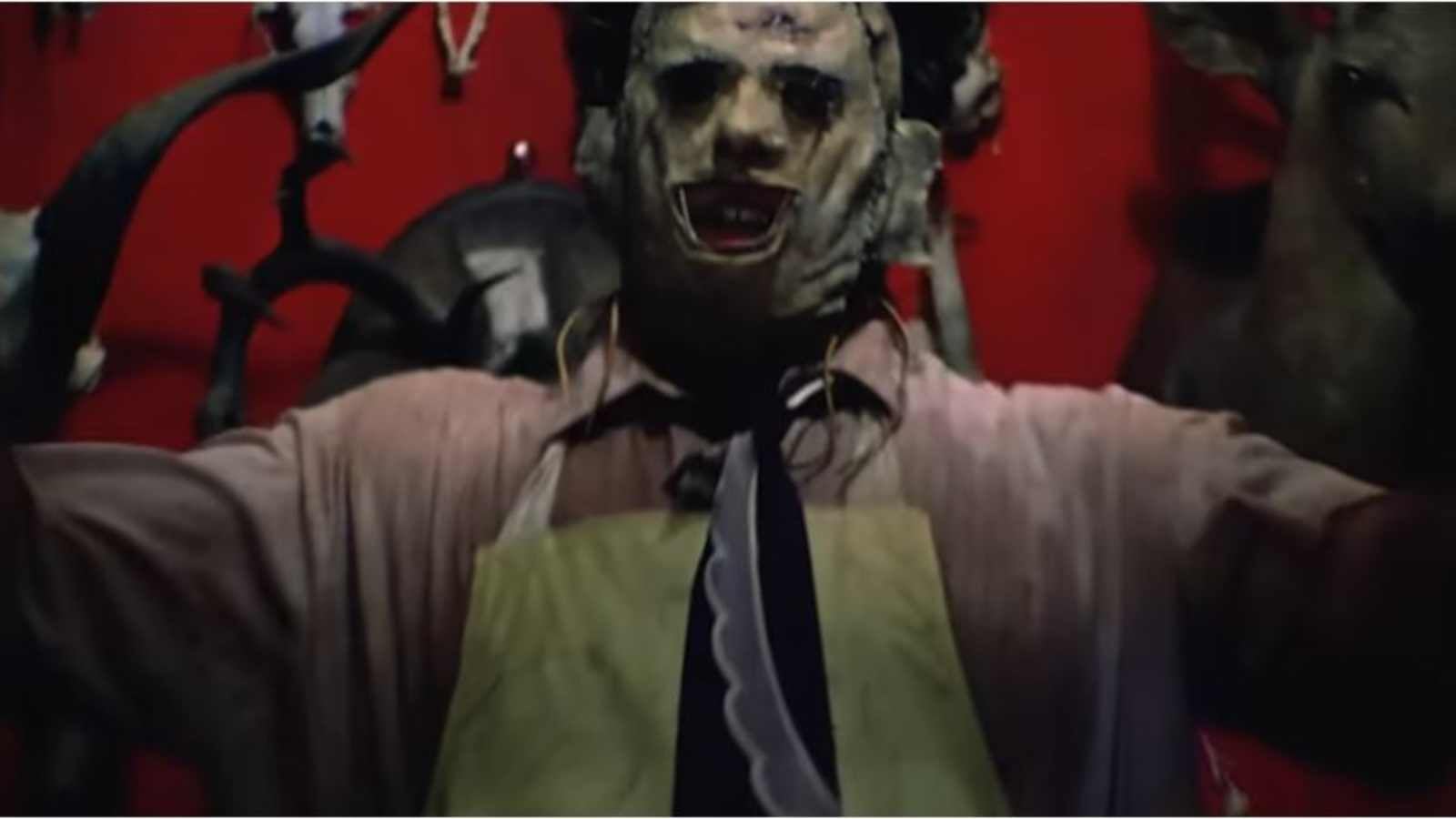
The Texas Chainsaw Massacre (1974) was a groundbreaking film that set the standard for many horror movies to come. Its raw depiction of violence and terror shocked audiences upon its release. The film faced heavy censorship in the UK, where it was repeatedly banned for its graphic content.
The film was initially deemed too violent for audiences, but its controversial status only added to its notoriety. The Texas Chainsaw Massacre remains a seminal film in the genre, influencing countless other films while continuing to provoke debates on censorship and artistic freedom.
The Last House on the Left
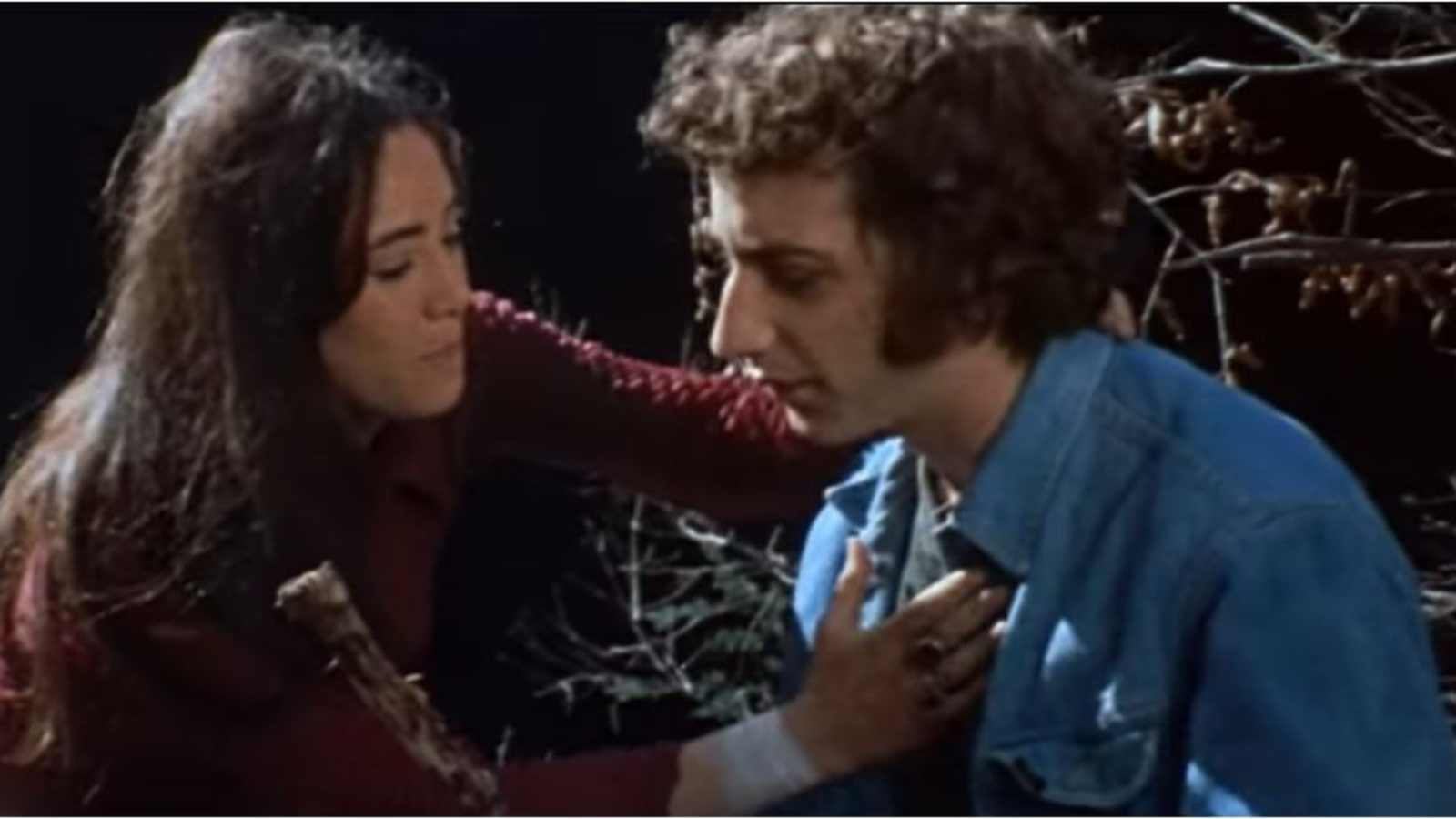
Wes Craven’s The Last House on the Left (1972) was another film that pushed boundaries with its raw depiction of sexual violence and revenge. The film was banned in multiple countries, including the UK and Canada, due to its shocking content.
The graphic nature of the film, coupled with its gritty, documentary-like style, made it one of the most controversial horror films of its time. Despite the bans, The Last House on the Left became a cult classic, helping to define the genre of gritty, exploitative horror films.
Conclusion
These films, each in its own way, have contributed to the ongoing conversation about censorship, art, and freedom of expression in cinema. While many found them too disturbing, they have left an indelible mark on the horror genre and continue to be discussed, debated, and celebrated for their boldness and willingness to confront the darkest aspects of humanity. Despite their bans, these films found audiences, and their legacy lives on as a testament to the power of cinema to provoke, disturb, and engage.