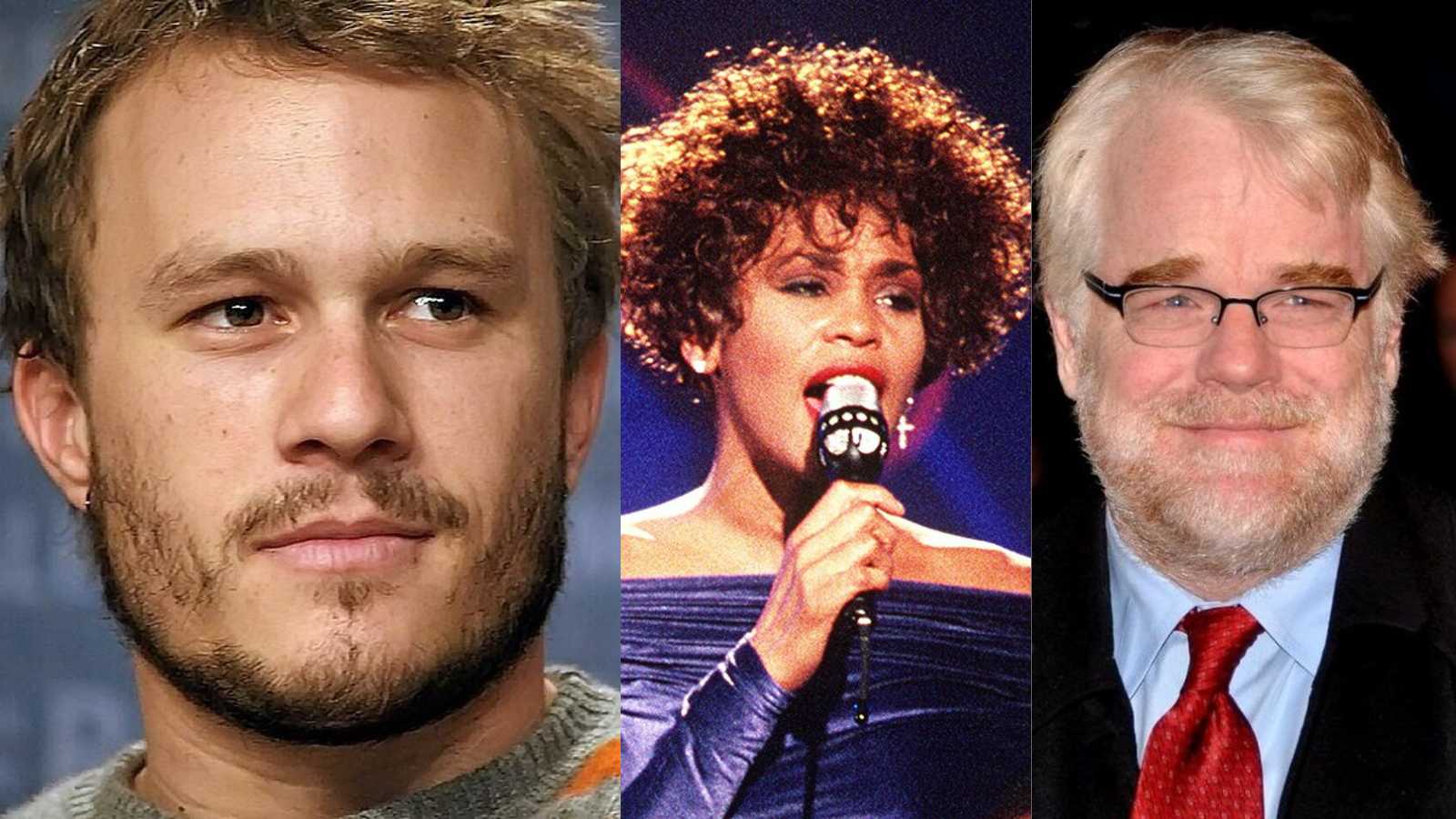
The following celebrities’ stories are tragic and heartbreaking, but they also serve as reminders of the dangerous consequences of addiction. Their deaths remind us that addiction does not discriminate; it affects everyone, regardless of fame, fortune, or talent.
Here are 10 celebrities whose lives were cut short by overdose, leaving a legacy that now serves as both a cautionary tale and a call to action for those struggling with addiction.
Heath Ledger (1979–2008)
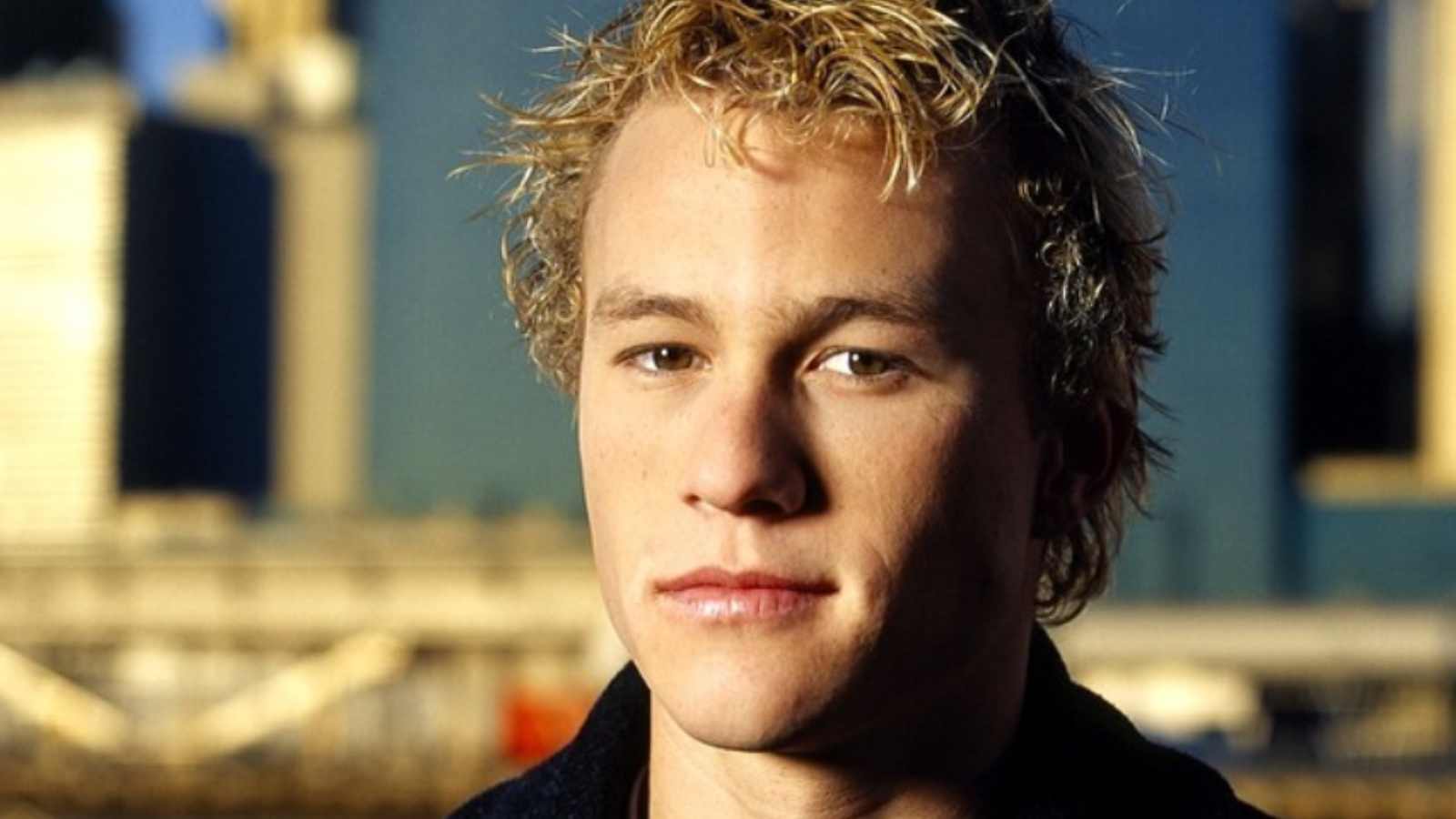
Heath Ledger, famous for his role as the Joker in The Dark Knight, had battled substance abuse for years before his untimely death at 28. He was found unresponsive in his New York City apartment in January 2008. His death was later attributed to an accidental overdose of prescription painkillers, including OxyContin, Vicodin, and Xanax.
The tragic irony of Ledger’s death is that it occurred just as his career was reaching new heights, making it all the more painful for his fans and family.
John Belushi (1949–1982)
John Belushi was a force of nature in the comedy world. As a founding member of Saturday Night Live and an actor in films like Animal House, Belushi was at the top of his game when addiction took hold. His fatal overdose came in 1982 at the age of 33, when a “speedball” (a mixture of heroin and cocaine) killed him at the Chateau Marmont Hotel in Los Angeles.
Belushi’s death was a stark example of how addiction can quickly derail a life filled with promise.
Janis Joplin (1943–1970)
Janis Joplin was a force to be reckoned with in the music world. As one of the biggest stars of the 1960s and a face of Woodstock, Joplin’s meteoric rise was fueled by her powerful voice and raw emotion. However, her struggles with heroin addiction ultimately led to her tragic death at 27.
She died from a heroin overdose, leaving behind a legacy of music that still resonates today, despite her brief career.
Chris Farley (1964–1997)
Known for his larger-than-life comedic style, Chris Farley brought laughter to millions during his time on Saturday Night Live and in films like Tommy Boy and Black Sheep. Farley’s intense comedic style often hid his struggles with addiction, and at 33, he passed away from a heroin overdose.
His death shocked fans and colleagues alike, as it was clear that Farley had so much more to offer. His tragic end is a reminder that even the funniest among us can be hiding deep pain.
Phillip Seymour Hoffman (1967–2014)
Phillip Seymour Hoffman was known for his exceptional range as an actor. From Capote to The Hunger Games, Hoffman delivered unforgettable performances that earned him critical acclaim. But in 2014, he was found dead in his New York City apartment from a heroin overdose.
Hoffman’s death was particularly tragic because he had been sober for over 20 years before relapsing, showing how even long periods of recovery can be fragile.
Jimi Hendrix (1942–1970)
Jimi Hendrix is often hailed as one of the greatest guitarists of all time, and his music continues to inspire generations. However, Hendrix’s life was marked by struggles with drugs and alcohol. He died at 27 from an overdose of barbiturates, and his death was ruled asphyxiation from choking on his own vomit.
His death is another painful reminder that even the most talented individuals can fall victim to addiction.
Judy Garland (1922–1969)
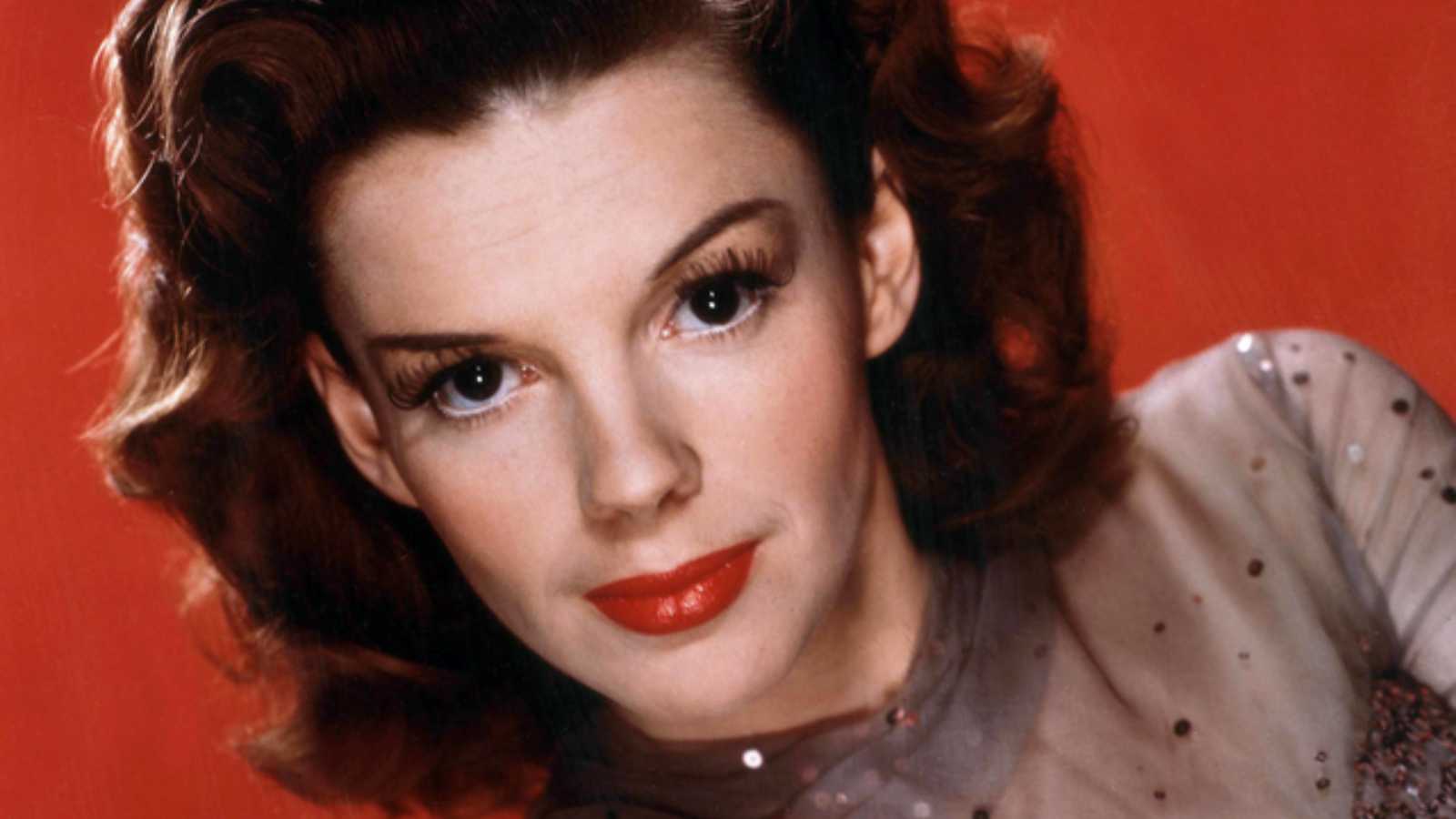
Judy Garland, famous for her role as Dorothy in The Wizard of Oz, had a tumultuous life filled with substance abuse, mental health struggles, and the pressures of being a child star. Garland died from a barbiturate overdose in 1969 at the age of 47, marking the tragic end to a career that began when she was just a child.
Her struggles with addiction were often overshadowed by her incredible talent, but her death highlighted the toll that fame can take on one’s mental health.
Whitney Houston (1963–2012)
Whitney Houston’s voice was one of the most powerful and celebrated in music history. However, despite her immense success, Houston struggled with addiction for much of her life. In 2012, she was found dead in a hotel room, with drowning being the primary cause of death, though cocaine use and heart disease were significant factors.
Houston’s tragic end shocked the world, as she was at the height of her career and had recently made a comeback. Her death serves as a reminder that addiction can lurk even in the most successful and beloved individuals.
Prince (1958–2016)
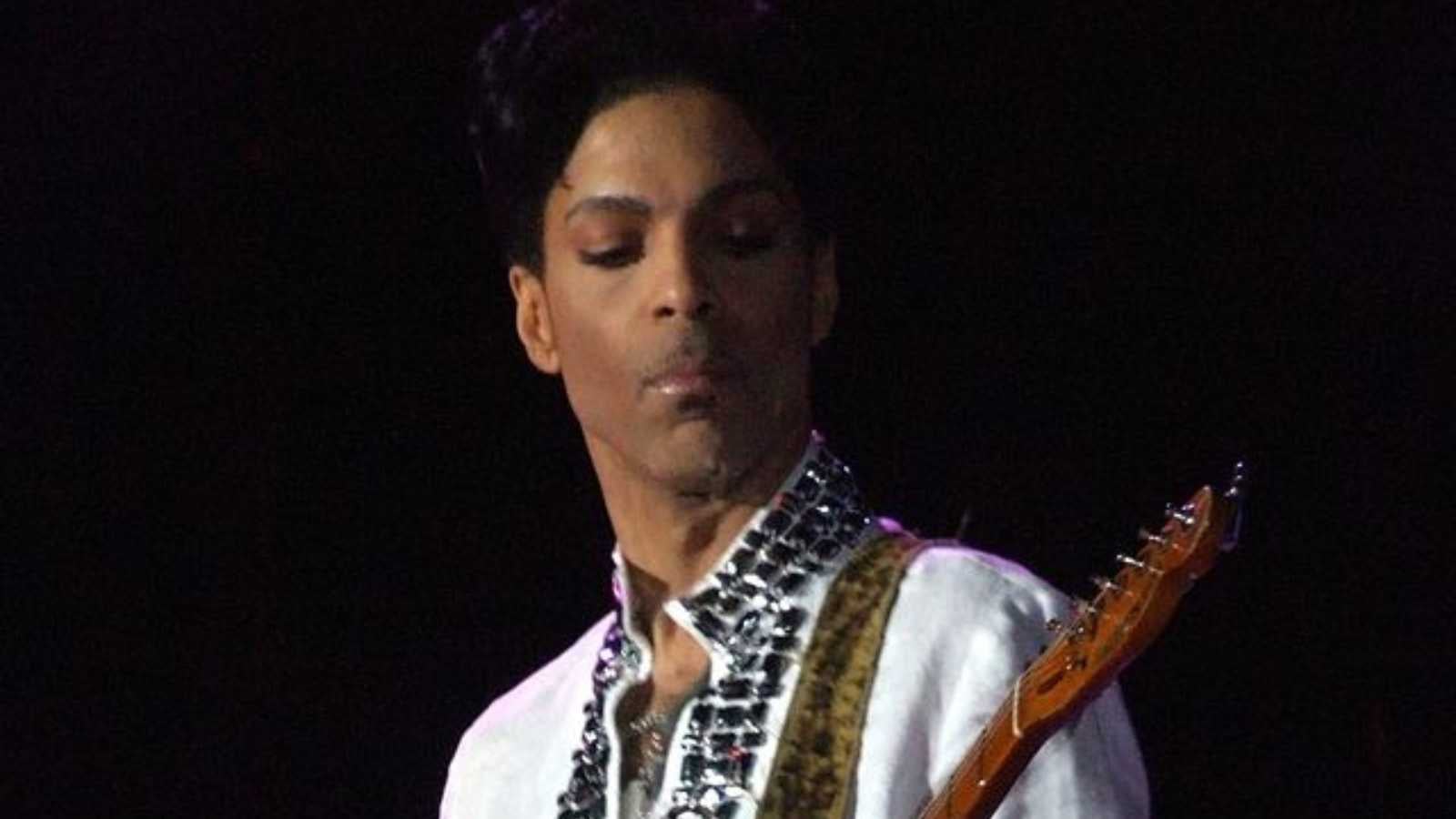
Prince was a musical genius who redefined the sound of pop and rock. With hits like “Purple Rain” and “Kiss,” he became a global icon. However, his life was marred by his battle with addiction, and in 2016, he died from a fentanyl overdose at 57. Prince’s death came as a shock to his fans, especially given his private nature and the fact that he had appeared to be in good health.
His passing brought awareness to the dangers of opioid addiction, especially fentanyl.
Amy Winehouse (1983–2011)
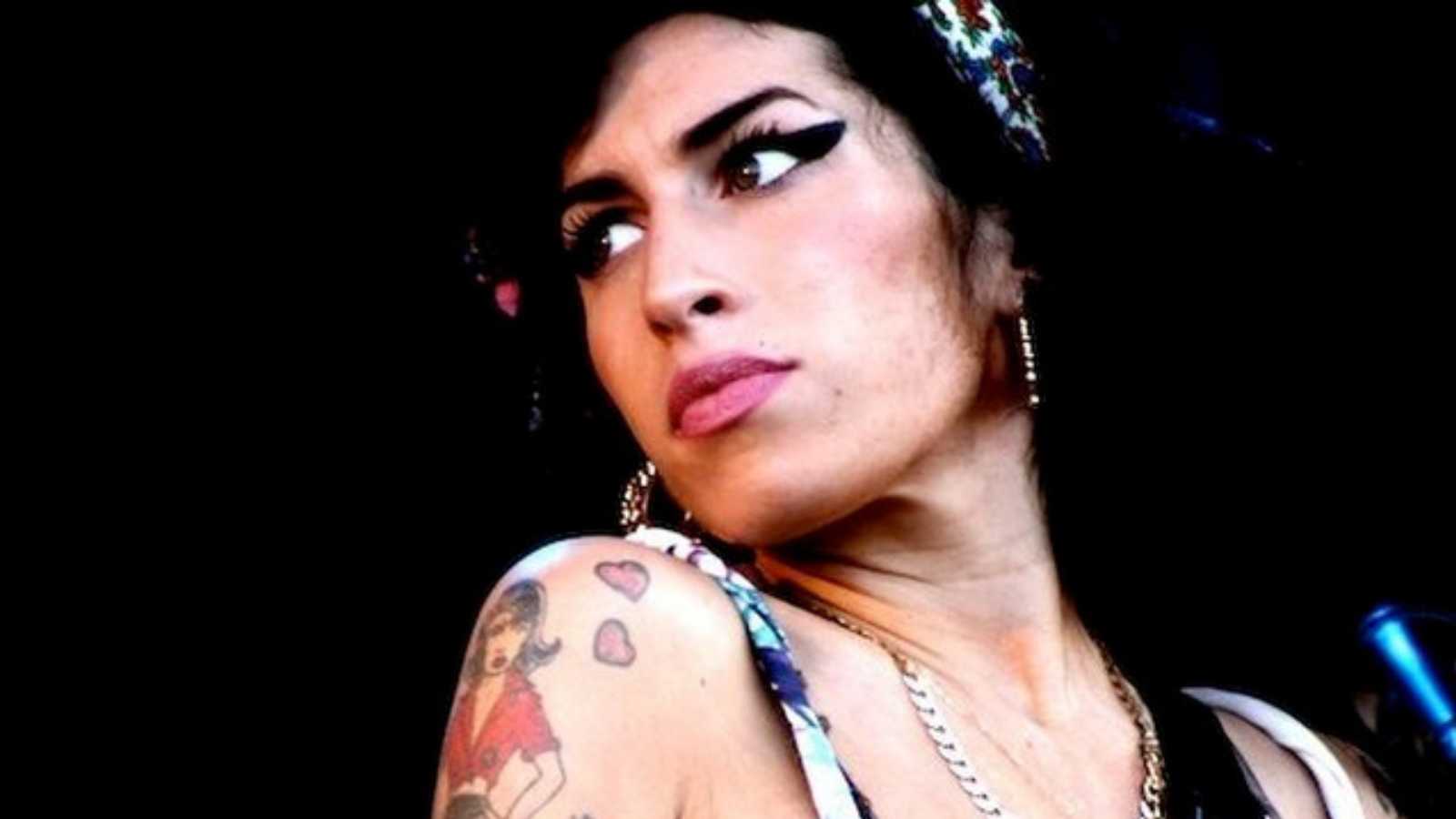
Amy Winehouse was a British singer known for her soulful voice and unique style. She won five Grammy Awards in 2008 and was poised to become a global superstar. However, her struggles with addiction and mental health issues overshadowed her career.
Winehouse died from alcohol poisoning at the age of 27, joining the infamous “27 Club.” Her death was a tragic reminder that addiction can take away not only talent but also the chance at redemption.
Conclusion
The stories of these celebrities remind us that addiction is not a disease that only affects “other people.” It affects the young, the old, the famous, and the unknown. While these stars are no longer with us, their stories should inspire a shift in how we approach addiction, not just as a personal failure, but as a societal issue that requires compassion, understanding, and support.
If you or someone you know is struggling with addiction, reach out for help. Support is available, and recovery is possible. You don’t have to face it alone.