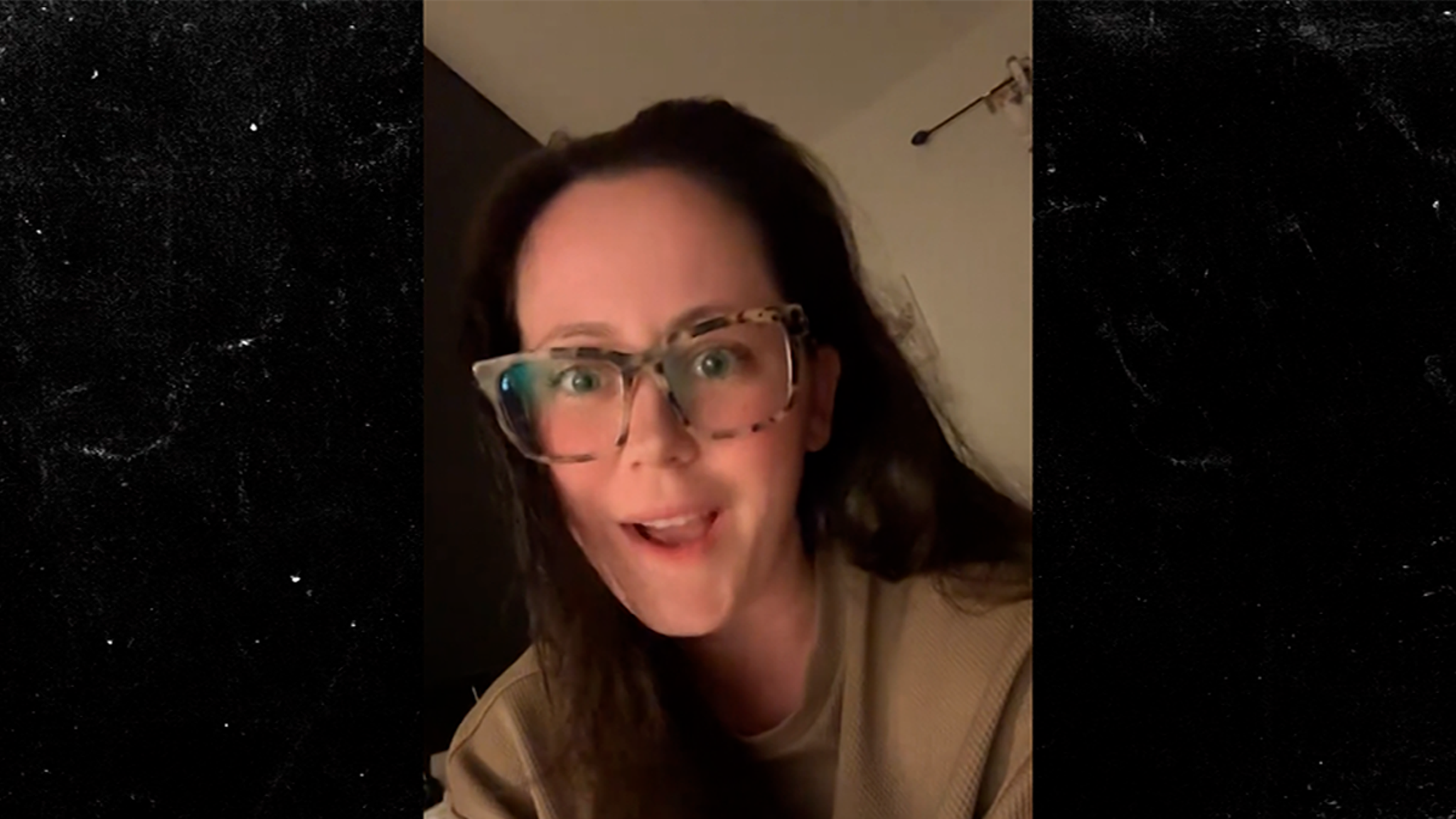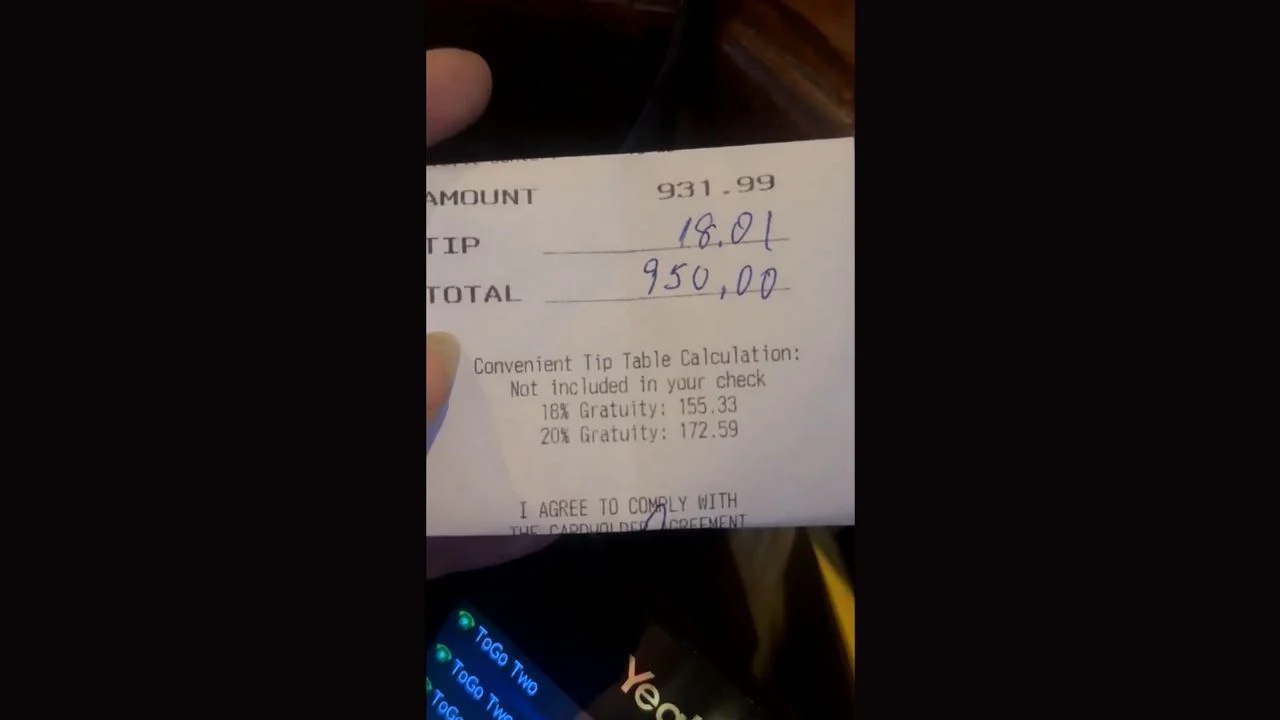
A server said a party of 85 people left an $18.01 tip on a $931.99 bill, and the receipt set off an argument over large tables, tipping, and why an automatic gratuity did not appear on the check.
The Daily Dot reported that the clip was later reshared by X user @ClownWorld, where some viewers criticized the tip and others questioned whether the receipt showed the full situation.
Daily Dot reported the receipt as unverified, and the restaurant was not identified.
The receipt shown in the video lists a $931.99 amount, an $18.01 tip, and a $950 total. It also shows suggested gratuities, including $155.33 for 18% and $172.59 for 20%.
The Receipt Math Did Not Match the Full Total
A server says she spent hours taking care of a party of 85 people, only to receive an $18.01 tip at the end of the meal.
Whether you love or hate tipping culture, serving a group that large is a tremendous amount of work. Sitting there for hours, taking orders, refills, food,… pic.twitter.com/J2Aks3RFD4
— Clown World ™ 🤡 (@ClownWorld) July 2, 2026
On a $931.99 bill, an 18% tip would be about $167.76 if calculated from the full amount. A 20% tip would be about $186.40.
The printed suggestions were lower. The receipt lists $155.33 for 18% and $172.59 for 20%, which appears to use a subtotal of about $862.95 rather than the full amount shown at the top of the receipt.
Restaurants may calculate suggested gratuities before tax, after discounts, or from a subtotal that differs from the final charge. In the comments, the lower printed amounts became part of the pushback from viewers who questioned how much context the receipt provided.
Viewers also pointed to the size of the party. A $931.99 bill for 85 people works out to about $10.96 per person before the written tip. Some commenters saw that as another reason to question the receipt, while others said the low per-person total did not erase the work involved in serving a group that large.
Viewers Asked Why a Party of 85 Had an Open Tip Line
Many restaurants add a service charge or automatic gratuity for large groups, sometimes starting with parties of six, eight, or more. For a party of 85, several viewers said they expected the restaurant to add a large-party charge before the receipt reached the customer.
The receipt in the clip appears to show an open tip line, and the customer wrote in $18.01. The printed 18% and 20% amounts appeared below the total, but they were not added to the check.
Toast’s restaurant support guidance lists large dining party fees and mandatory gratuities as examples of service charges that restaurants can add to checks. Toast also says restaurants can configure whether a mandatory gratuity is paid to the employee who owns the check.
Automatic Gratuity Is Handled Differently From a Written-In Tip
The IRS says tips are payments customers choose to give for services performed. The customer decides whether to leave a tip and how much to give.
The IRS has also identified automatic gratuities for large dining parties as service charges rather than tips because the business sets the amount and adds it to the bill.
Under those rules, a written-in tip comes from the customer’s choice at the end of the meal. An automatic gratuity or service charge is added by the restaurant, then handled through the business under its own pay policy.
Large Tables Can Take Over a Shift
The viral receipt split viewers into familiar camps. Some said tipping is optional and the customer had the right to leave a small amount. Others said no server should spend hours on a party of 85 and walk away with less than $20.
A group that size can mean extra setup, refills, separate requests, cleanup, and coordination with the kitchen, even when the final bill is lower than people expect. If the restaurant does not add automatic gratuity, the final amount on the tip line depends on what the customer writes before signing.
Diners can look for a service charge, automatic gratuity, banquet fee, or event fee before adding a separate tip. Restaurants can also avoid confusion by making large-party policies clear before the meal starts, especially when a table is big enough to take up a major part of a server’s shift.