The U.S. military is expected to complete the total withdrawal of U.S. troops from Iraq on Wednesday after a 12-year presence prompted by the war against the Islamic State militant group ISIS.
It will be the second time that the U.S. has withdrawn all of its military forces from Iraq.
In 2011, the U.S. pulled out after an eight-year presence that began with the U.S. invasion of Iraq in 2003. U.S. troops returned in 2014 as ISIS conquered wide swaths of Syria and northern Iraq and threatened the approaches to Baghdad. The U.S. defeated ISIS militarily in 2019, but the continued U.S. presence was seen as a necessary one to prevent a resurgence of ISIS.
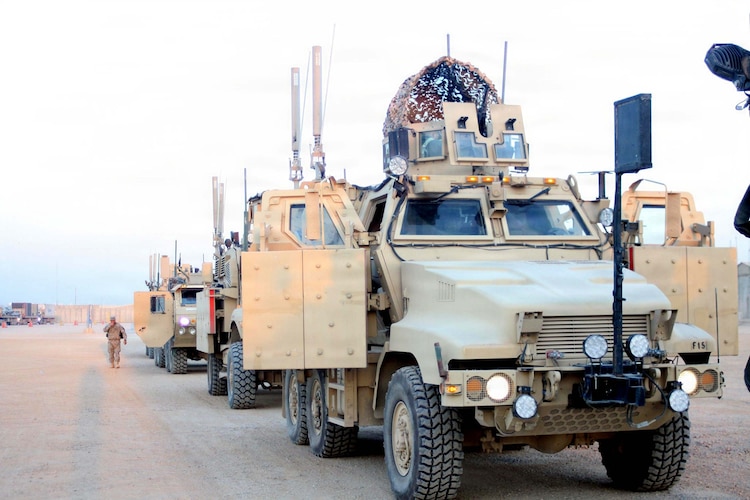
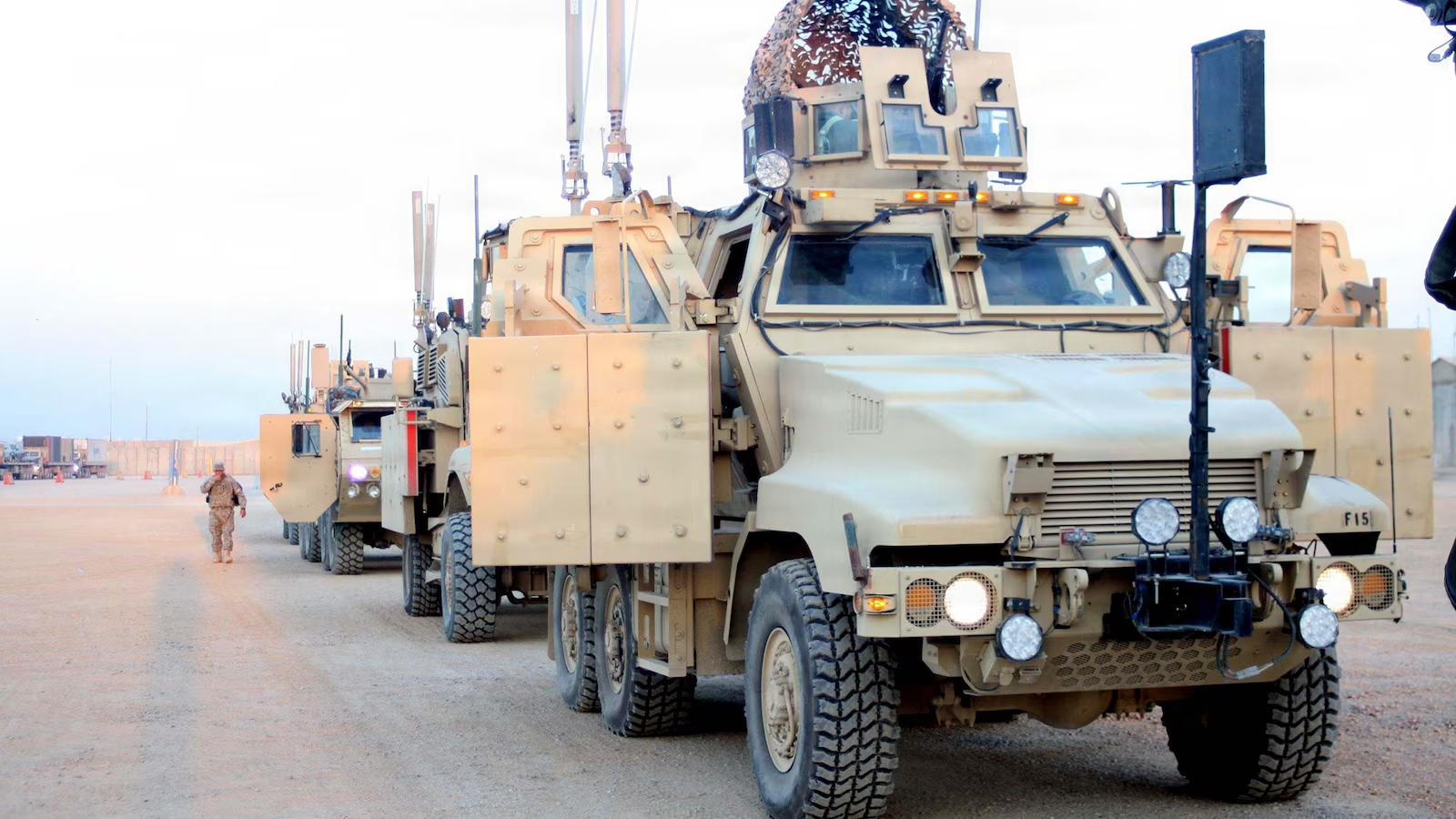
A line of Mine Resistant Ambush Protected vehicles operated by Soldiers with Company F, 3rd Battalion, 116th Cavalry Regiment, 3rd Sustainment Brigade, 103rd Sustainment Command (Expeditionary), stand ready to begin a convoy at Joint Base Balad, Iraq.
Staff Sgt. Pat Caldwell/U.S. Army
The withdrawal was negotiated with Iraq by the Biden administration in 2024, and the Trump administration has continued with the withdrawal plan that set Sept. 30 as the final pullout date. But the U.S. war with Iran has created a different regional situation for Iraq and the United States than when the deal was agreed upon.
Iraq and Iran have a shared Shiite cultural heritage and Iran has militarily assisted Shiite-militias inside Iraq. It remains a question how far Iran will be able to increase its presence and influence in Iraq and whether ISIS could become resurgent.
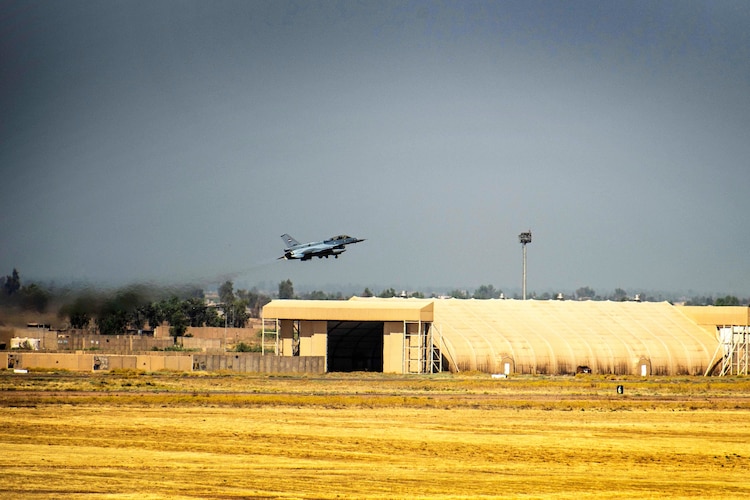
An Iraqi Air Force F-16 Fighting Falcon fighter aircraft, from the 9th Fighter Squadron, takes off the runway at Balad Air Base, Iraq, June 17, 2019. The 9th FS has been learning the Air Tasking Order process from air advisors from the 370th Air Expeditionary Advisory Squadron in order to support coalition forces.
Staff Sgt. Luke Kitterman/U.S. Air Force
In recent years, there had been about 2,500 U.S. troops in Iraq.
Throughout this year, the U.S. has been consolidating its positions throughout the country into northern Iraq, but has quietly been moving forces out of Erbil since the start of the war with Iran. In recent months the reduction of forces proceeded along and there has been a very small U.S. presence in northern Iraq for quite some time.
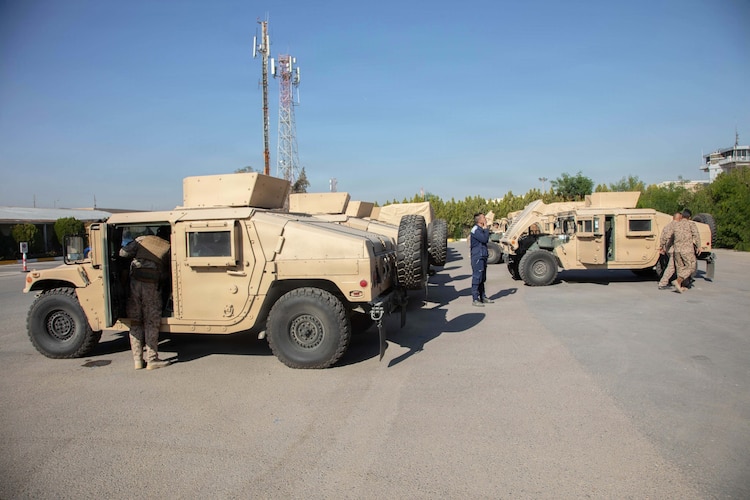
Iraqi Security Forces service members inspect the Humvee fleet divested by the Counter-ISIS Training and Equip Fund (CTEF) during a Humvee divestment at Erbil Air Base, Iraq, Nov. 24, 2025. The Humvees were divested as part of the U.S.-funded CTEF program that is administered by Combined Joint Task Force – Operation Inherent Resolve.
Staff Sgt. Matthew Roberts/U.S. Army
Earlier this year the U.S. withdrew its forces from eastern Syria. That was an unplanned withdrawal spurred by the new Syrian government’s push against the United States’ Syrian Kurdish partners.
With Wednesday’s expected withdrawal, the U.S. will once again end a military presence inside of Iraq that has stretched for more than two decades and was the scene of approximately 4,500 U.S. military deaths, the vast majority occurring between 2003-2011.