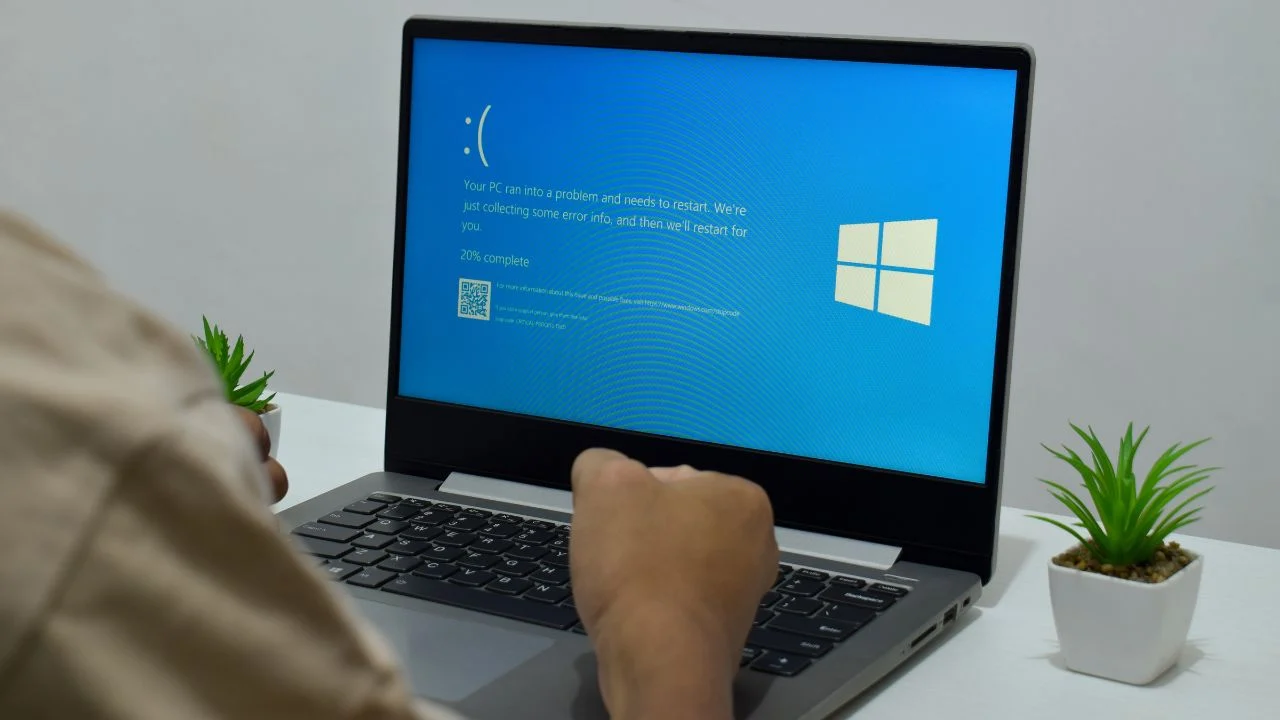
A Tonawanda, New York, resident’s computer screen allegedly flashed a warning that said “Microsoft Security” and told them to call a phone number. Federal prosecutors say that alert was the start of a scheme that moved from a fake tech-support call to a fake bank fraud division, then to cash and gold pickups.
WGRZ reported that a suspect was arrested after a scam targeted a Tonawanda resident. The core details come from the U.S. Attorney’s Office for the Western District of New York, which said Didi Zou, 39, was arrested and charged by criminal complaint with conspiracy to commit money laundering and conspiracy to commit wire fraud.
The charges carry a maximum penalty of 20 years in prison, according to prosecutors. Zou has not been convicted, and the Justice Department said a criminal complaint is only an accusation.
Prosecutors Say The Scam Started With A Fake Microsoft Warning
According to the criminal complaint summarized by federal prosecutors, the Tonawanda resident received the computer alert on May 15, 2026. The screen showed “Microsoft Security” and directed the resident to call a phone number with a 650 area code.
The resident called and spoke with someone claiming to be a Microsoft security representative named “Logan,” prosecutors said. That person allegedly told the resident someone was trying to access the resident’s account and attempting an approximately $22,000 transaction that did not go through.
“Logan” then provided a case number and transferred the resident to another person who claimed to be from the “Cyber Fraud Division” of the resident’s bank, according to prosecutors. That second caller, identified in the DOJ summary as “Chirstopher Martin,” allegedly said he was also a liaison between the bank and the Internal Revenue Service.
The Caller Allegedly Took Remote Access And Directed The Victim’s Banking
Prosecutors said the resident was told to set up an “IRS” bank account through their personal banking website and move funds there because of hackers on the computer.
The complaint says the resident downloaded remote-access software at the caller’s instruction. Prosecutors said that gave the caller the ability to essentially take over the resident’s keyboard while guiding the resident through online banking.
According to the DOJ summary, the caller likely gained access to the resident’s banking details and passwords. Prosecutors said the resident followed the instructions because they feared hackers would steal assets that included money from the sale of the resident’s parents’ house, inherited savings, and multiple certificates of deposit.
The First Pickup Was $20,000 At A Coffee Shop
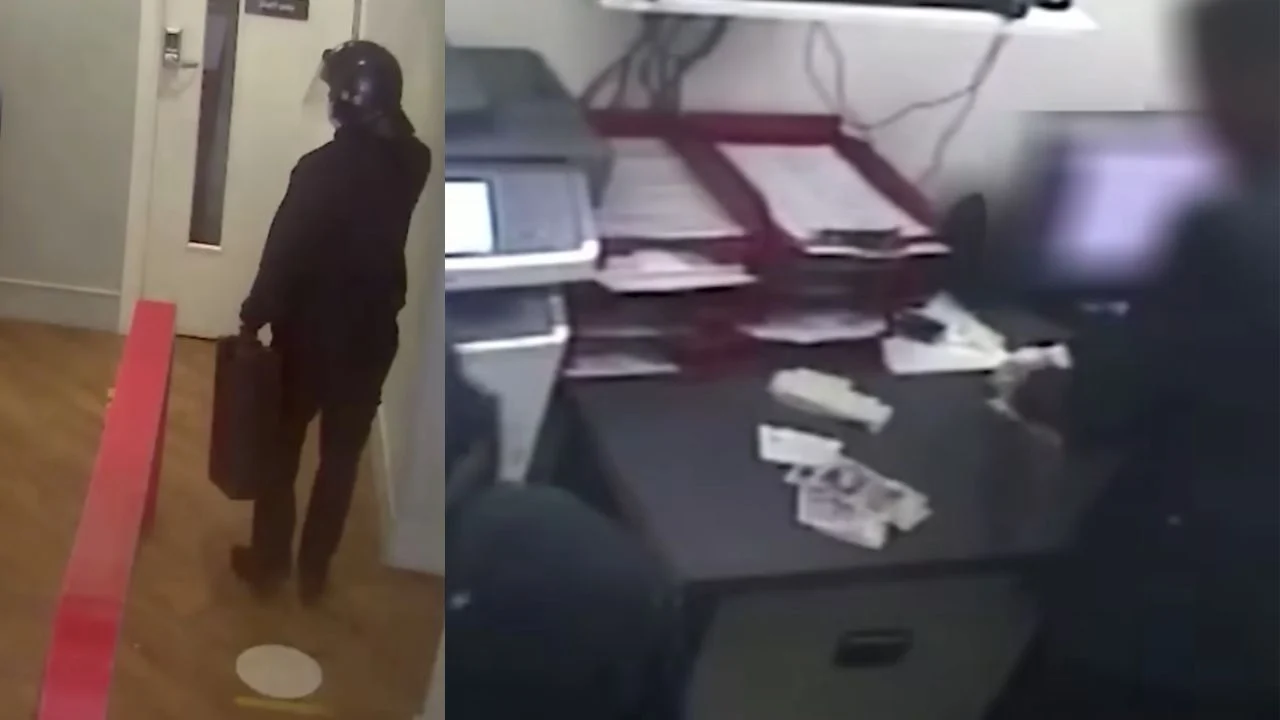
The first in-person handoff allegedly involved $20,000. Prosecutors said the resident gave the cash to someone described as an IRS “Agent” at a coffee shop near the resident’s home.
After that, the caller allegedly directed the resident to buy gold coins and bullion to protect funds in the supposed “IRS Banking” account.
The complaint says the resident made five purchases of gold coins and bullion. Each time, an alleged “IRS agent” traveled from Flushing, New York, to pick up the package, according to prosecutors.
The Fifth Gold Pickup Led To An Arrest
The fifth purchase happened on June 18, 2026. By then, prosecutors said, the resident was working with investigators.
After the resident handed over the gold coins and bullion to the alleged “IRS Agent,” Zou was taken into custody. Prosecutors said Zou later made an initial appearance before U.S. Magistrate Judge H. Kenneth Schroeder Jr. and was held pending a detention hearing.
The FBI, IRS Criminal Investigation, and New York State Police investigated the case. Assistant U.S. Attorneys Paul E. Bonanno and Colleen M. McCarthy are prosecuting it.
Real Agencies Do Not Send People To Pick Up Gold
The Federal Trade Commission warns that tech-support scammers often use fake pop-ups that look like warnings from well-known companies and pressure people to call a phone number. Once on the phone, scammers may ask for remote access to the computer and claim the victim’s money is at risk.
The FTC says government officials will not tell someone to withdraw money, put funds in a “federal safety locker,” buy gold, get cash, or give money or precious metals to someone in order to protect it.
The FBI’s Internet Crime Complaint Center has also warned about scammers using couriers to retrieve cash and precious metals from victims of tech-support and government impersonation scams. The FBI says victims may be told their accounts are at risk and that buying gold, silver, or other precious metals will protect their assets.
Anyone who sees a sudden computer alert should not call the number on the screen, download remote-access software, or move money while someone is on the phone. Contact the real bank, company, or agency through a verified number and report suspicious activity to local law enforcement or the FBI’s IC3.