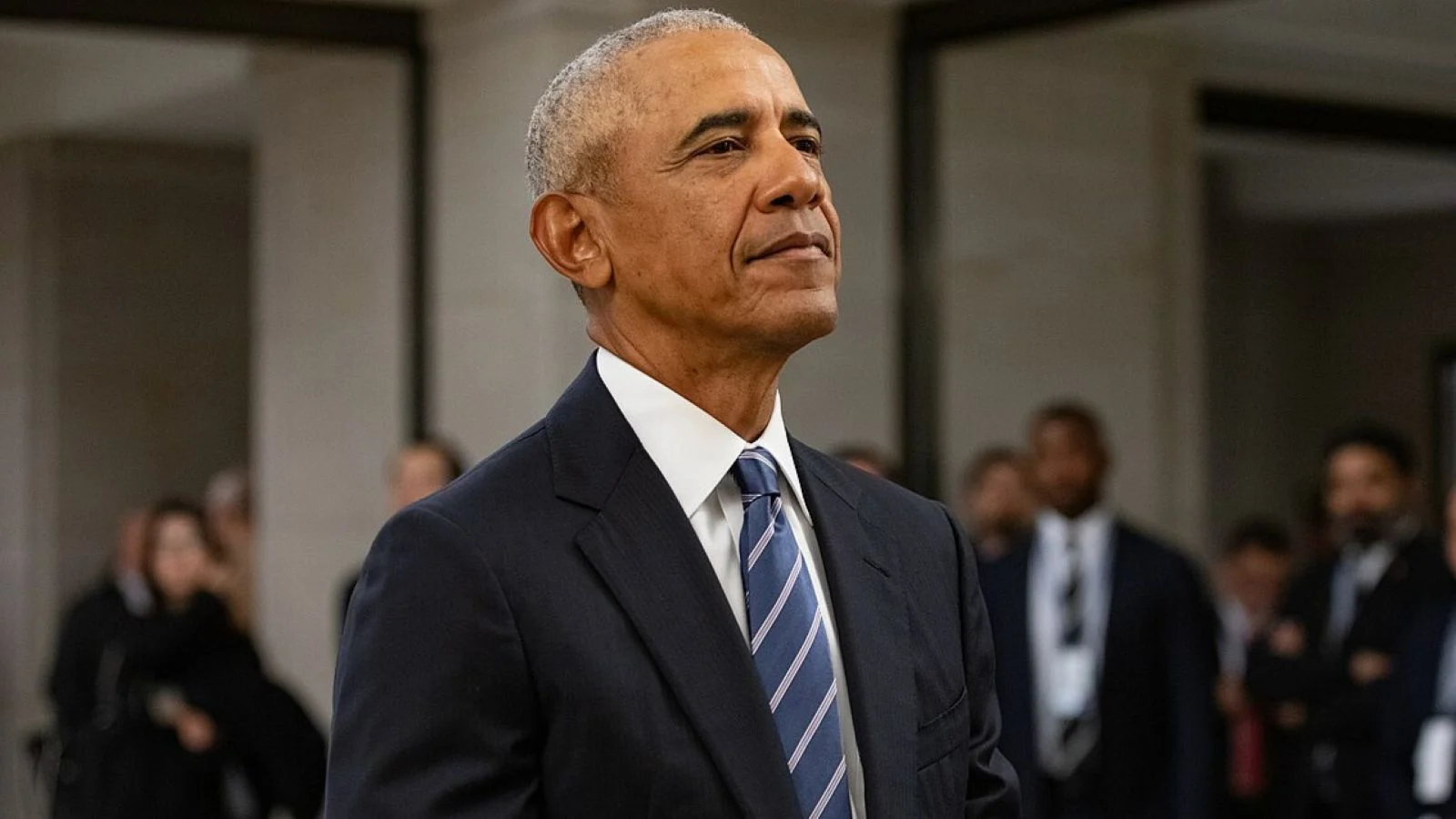
On May 4, Barack Obama told The New Yorker that Donald Trump had dragged him back into politics “more than I would have preferred.” Michelle wanted him stepping back, taking it easy, spending more time with her. He called the pressure on his marriage “genuine tension.” The profile ran on Monday.
By Friday, he was on a stage in Toronto.
Canada 2020, an independent progressive think tank, hosted Obama as the keynote speaker at its sold-out May 8 anniversary gala. Hours later, Mark Carney posted a public welcome and thanked him for joining “important conversations” about building “a better and more just future.”
File that tweet. It matters.
Welcome back to Canada, President @BarackObama.
Thank you for joining us in Toronto for important conversations on how we can build a better and more just future — and empower more people to build with us. pic.twitter.com/S2lrJLL5Td
— Mark Carney (@MarkJCarney) May 9, 2026
The Logan Act crowd can sit down
The predictable accusations surfaced fast. Former president on foreign soil. Logan Act. Shadow diplomacy. The 1799 statute targets unauthorized private citizen diplomacy with foreign governments in disputes involving the United States, has produced no successful prosecutions, and gets recycled against every former official who travels abroad. It landed nowhere on Kerry, nowhere on the Republican former officials who met regularly with foreign governments while out of power. It is a political prop that almost never turns into a prosecution.
Obama is a private citizen who gave a keynote at a policy think tank. Former presidents do this constantly. It pays well. It is not illegal. Usually, it is not interesting
What is interesting is who amplified it, when he did it, and what he chose to say afterward.
Carney’s tweet was not just a thank-you note
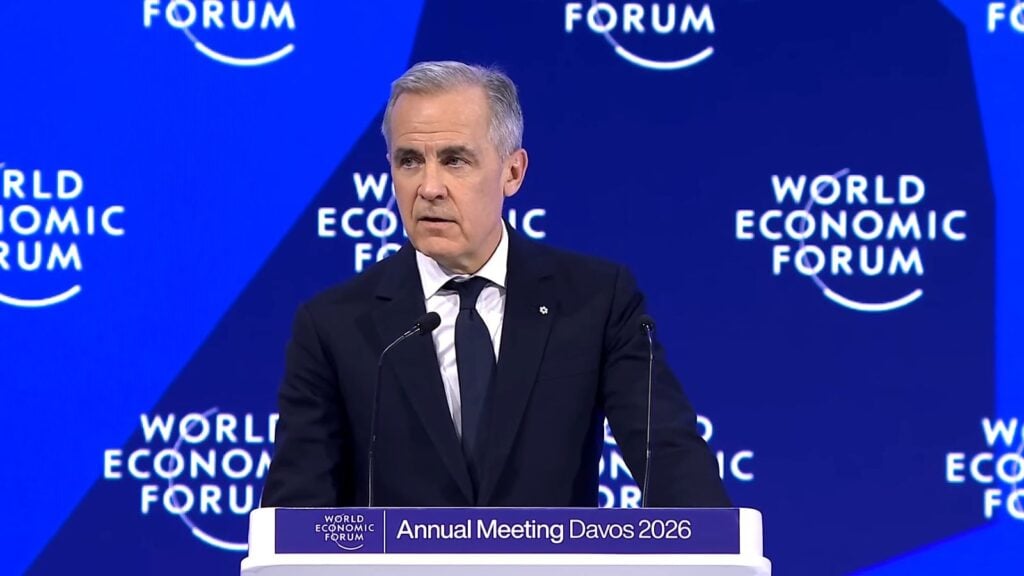
Canada’s prime minister has spent the past several months building a very specific story about his country. At Davos in January, he called the moment a “rupture in the world order” and warned of big powers operating without limits. He has since declared Canada’s economic dependence on the United States a “weakness” and said Canada can no longer rely on “one foreign partner.” His government has pursued new trade relationships with China and Europe and turned American volatility into an argument for Canadian independence.
Canada also got hit with 25 percent US auto tariffs. The relationship with their closest ally is visibly fraying. Carney is deliberately positioning Canada as a country deciding to move out of Trump’s orbit.
Into that story, he welcomed Barack Obama.
The phrase in Carney’s tweet, “build a better and more just future,” was not accidental phrasing. That wording fit the story Carney has been telling for months, whenever he draws a contrast between where Canada is headed and where Trump is taking America. Obama did not have to say anything against Trump. He only had to stand there while Carney attached him to the version of America Trump voters rejected and foreign leaders still miss.
The one American Trump cannot ignore
Obama’s post-presidential brand has become something specific and useful to other governments. He is not a sitting senator or governor with a vote count and committee assignments attached. He carries the weight of an ex-presidency without the legal mess that comes with dealing with a current officeholder. He remains one of the most recognizable Democratic figures in American politics. And he is the one figure that Trump, who has spent years accusing him of trying to undermine his presidency, genuinely cannot brush off.
For foreign leaders navigating the Trump era, that combination is almost custom-built. Host Obama, get the photo, post the implicit message that another America still exists, and nobody has technically done anything wrong or legally questionable. The speech doesn’t need attack Trump. The room delivers the message.
Carney appears to have figured this out. He is not using Obama as a diplomat. He is using Obama as a symbol.
The question his New Yorker interview didn’t answer
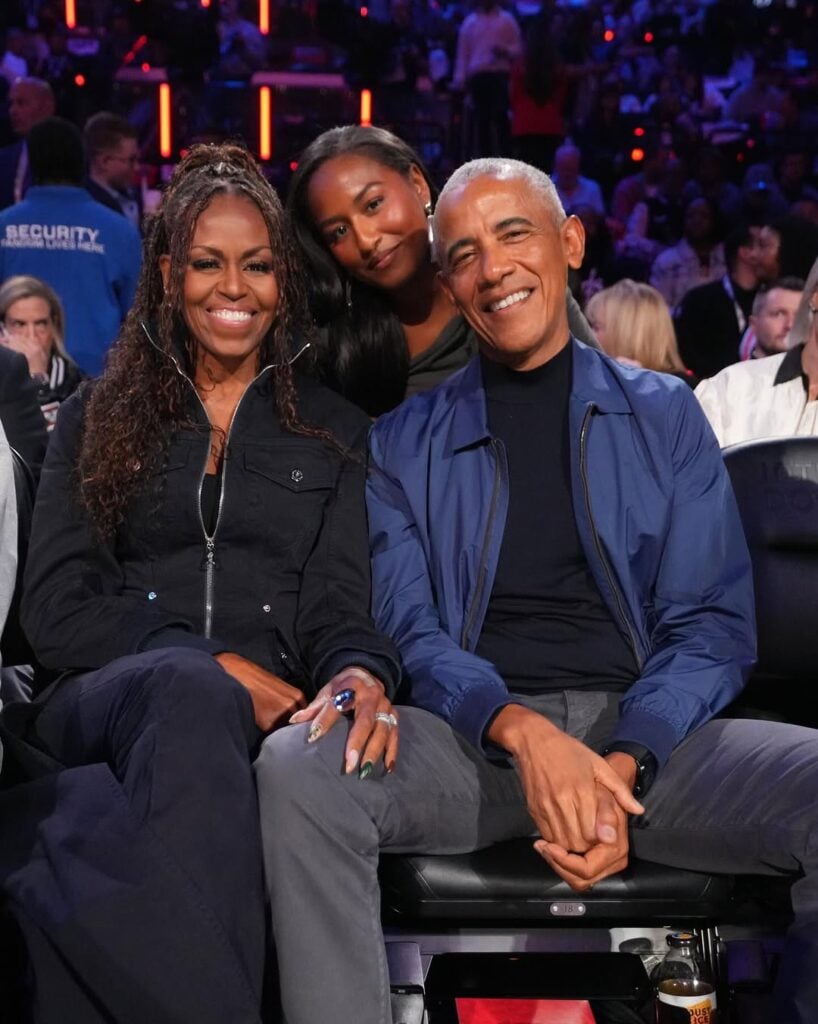
The profile covers Obama’s stated frustration with the demands of post-presidential politics at great length. He talks about being pulled back against his preferences. He talks about Michelle’s frustration. He talks about managing how much political capital he spends and when.
What it does not fully answer is the second market that has quietly opened up for his particular kind of symbolic opposition: the foreign-leader circuit, where his presence means something specific without requiring him to say it out loud.
Michelle wanted him to ease up. He flew to Toronto. Carney thanked him publicly for helping build “a better and more just future.”
Obama may genuinely feel pulled rather than eager. But tired and useful are not the same thing. When foreign leaders start reaching for a former American president to anchor their own political narrative against the sitting one, the clean story about being dragged back in gets complicated fast.
The New Yorker profile raised the question of whether Obama is still being pulled back into politics, or whether, at some point, being pulled back becomes a choice he is actively making.
Toronto did not answer it. It just made it harder to ignore.