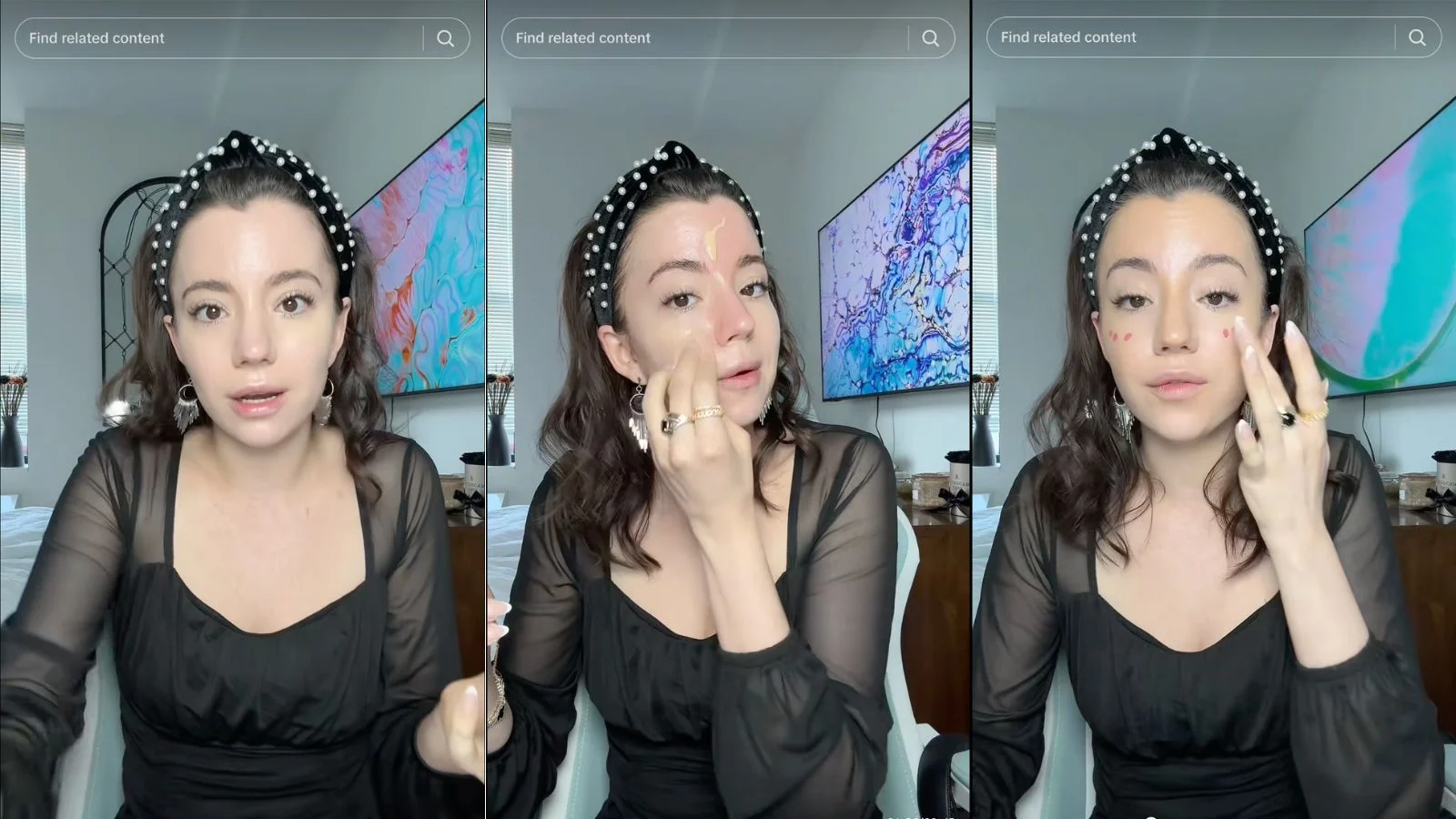
Ashley St. Clair spent nearly a decade inside the MAGA influence machine. She says she was recruited around 19 through Turning Point USA, built a following exceeding one million on X, and became one of the movement’s most visible young women. Now she’s describing how the machinery behind that movement actually works — and the picture she’s painting looks less like grassroots politics and more like a professional marketing operation with a lobbying problem.
In a recent video, St. Clair laid out what she called a pay-to-play ecosystem running through Republican consulting firms. The structure, as she described it, is straightforward: right-wing influencers access platforms built by GOP operatives — including former White House officials — where they can view campaigns and opt in to promote specific messaging, petitions, or legislative pushes.
Compensation is structured per click or as a flat fee. The influencers receive scripts. They post them. And because they’re promoting political messaging rather than a commercial product, current regulations do not require them to disclose that they were paid.
St. Clair compared it directly to a standard brand deal. The only difference, she said, is the disclosure requirement. There isn’t one.
@ashstccapitalism is destroying democracy♬ original sound – ashley st. clair
The Grenell Contract
St. Clair also made a specific claim: she said she was offered money to promote Ric Grenell for Secretary of State during Trump’s post-election cabinet selection in late 2024.
That claim doesn’t exist in isolation. In December 2024, Politico reported that an associate of Grenell — Rick Loughery, former chair of Young Republicans — had contacted conservative influencers after Trump’s election victory with contracts paying up to five figures. Politico obtained one such contract, which required posts during “peak posting times,” stipulated that “content must appear genuine,” and barred anything resembling an advertisement.
The payments were to be routed through a consulting firm called Magnify Media Partners LLC. The firm’s owner told Politico the project was never executed and that Grenell had no connection to it. She did not respond to a follow-up question about the contract’s requirement to post positively about Grenell. Grenell called the reporter an “unserious gossip reporter” and denied the effort.
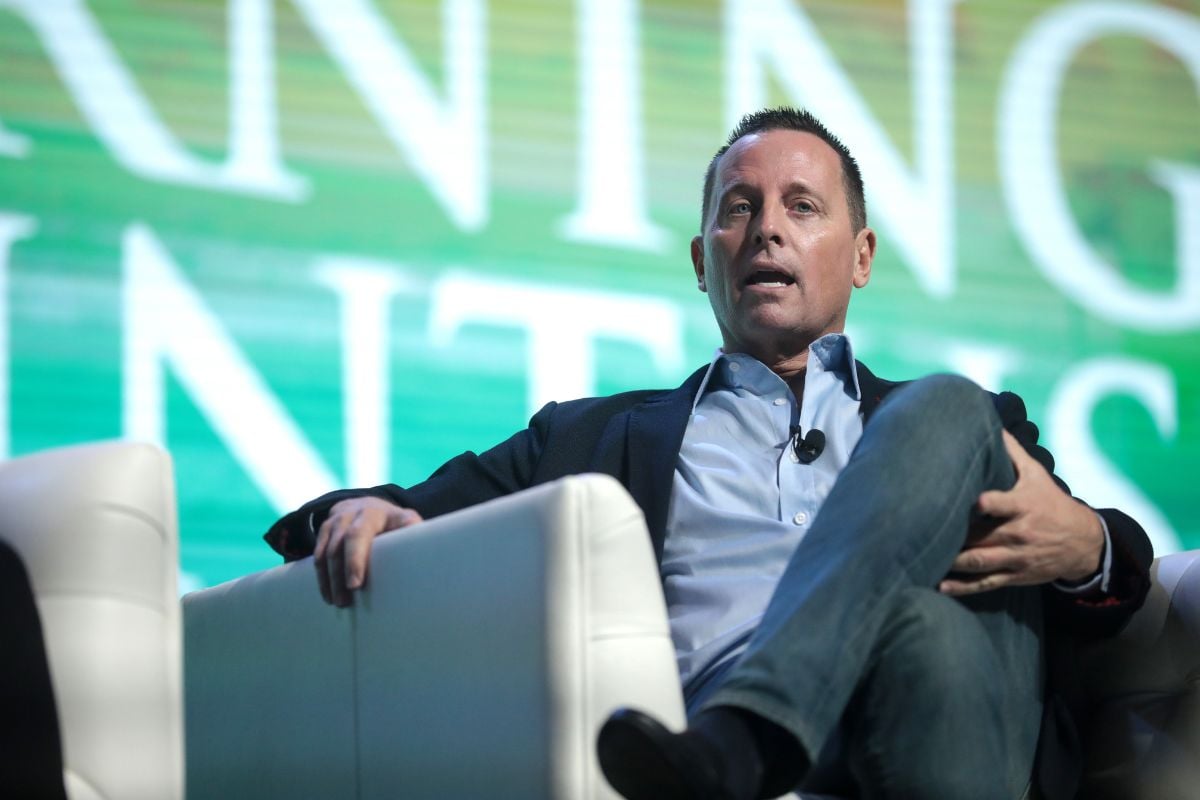
Rubio ultimately got the job. Grenell was later named presidential envoy for special missions.
Where the Money Disappears
The disclosure gap St. Clair identified is structural. When a campaign or PAC pays a consulting firm, that payment appears on FEC records. But once the money moves from the firm to individual influencers, no further reporting is required. The consulting firm becomes a wall. The influencers remain unnamed. The audience never learns that the post was paid for.
St. Clair described this as a feature, not a bug — a system designed to let wealthy donors and political operatives purchase influence without a paper trail. She also described private deals between wealthy individuals and creators that she said bypass FEC reporting requirements entirely.
She offered one example: a billionaire once approached her about conducting a sting operation on Southwest Airlines to see if the airline was transporting migrants. She declined. She did not name the individual.
Coordinated Silence
Beyond the paid campaigns, St. Clair described a coordination layer operating through group chats on X. Large influencers, she said, share these chats with administration officials and Trump’s team. When a scandal breaks, messaging is coordinated in real time.
Smaller influencers outside these chats see the resulting wave of aligned posts and interpret them as genuine agreement. By the time the message reaches a general audience, it has passed through enough accounts to look like independent thought.
St. Clair estimated that 99 percent of the largest right-wing influencers are compensated in some form. She also said most of these arrangements are locked behind confidentiality agreements — contracts she described as “incredibly asymmetric,” designed so that anyone who later wanted to speak publicly about the system would face litigation they couldn’t afford.
The Defector’s Problem
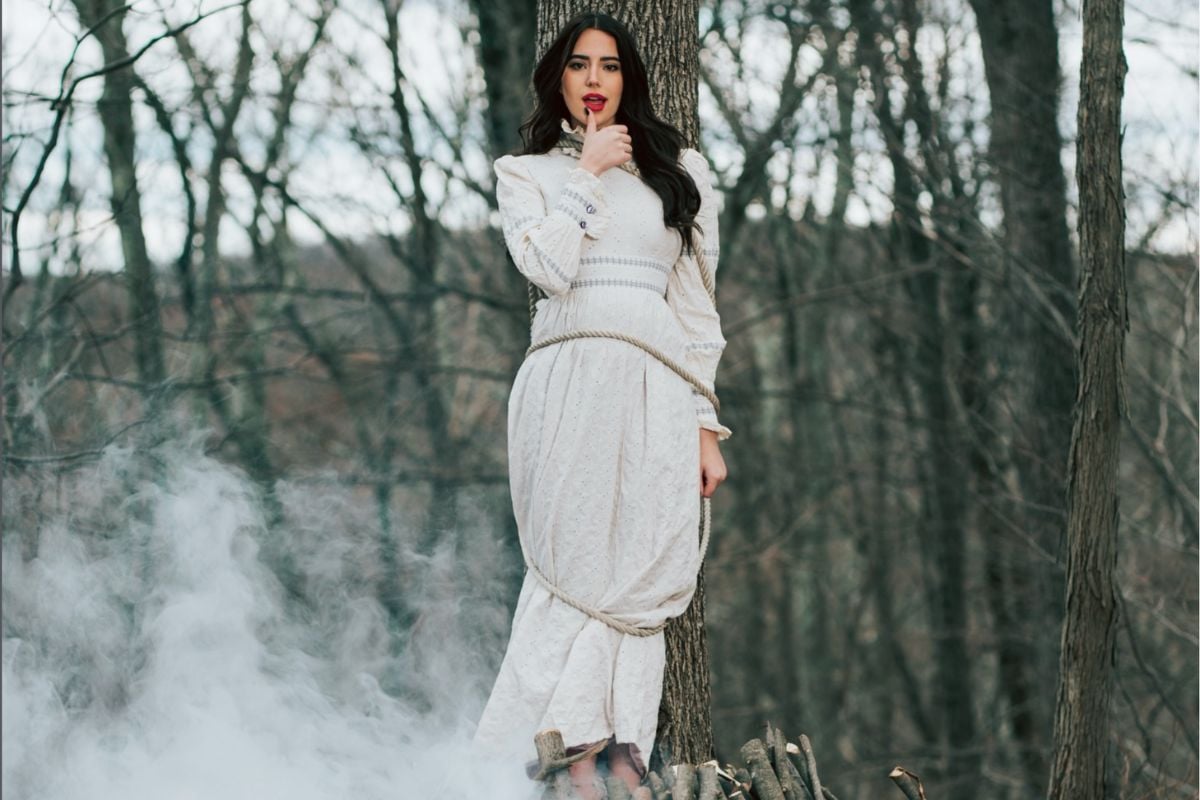
St. Clair helped build the system she now describes. She boosted anti-immigration rhetoric she says she regrets. She spent nearly a decade as one of the movement’s most visible voices. She has since called it a cult, reversed her stance on transgender rights, and is locked in a custody battle with Elon Musk and a lawsuit against his AI company over deepfake images generated by Grok.
Every one of those facts makes her easier to dismiss — which is exactly how the system she described is designed to work.
None of that changes what Politico found in an actual contract.