There is a specific kind of silence that follows the crash of a titan. It’s not the quiet of peace, but the heavy, ringing stillness of a world trying to make sense of a fall from grace. For decades, Tiger Woods didn’t just play golf; he performed a sort of physical sorcery, bending fairways and physics to his will while the world watched in breathless awe.
But as the sun dipped low over Jupiter Island last Friday, that magic was replaced by the harsh, blue-and-red flicker of police lights and the sickening crunch of a Land Rover resting on its side.
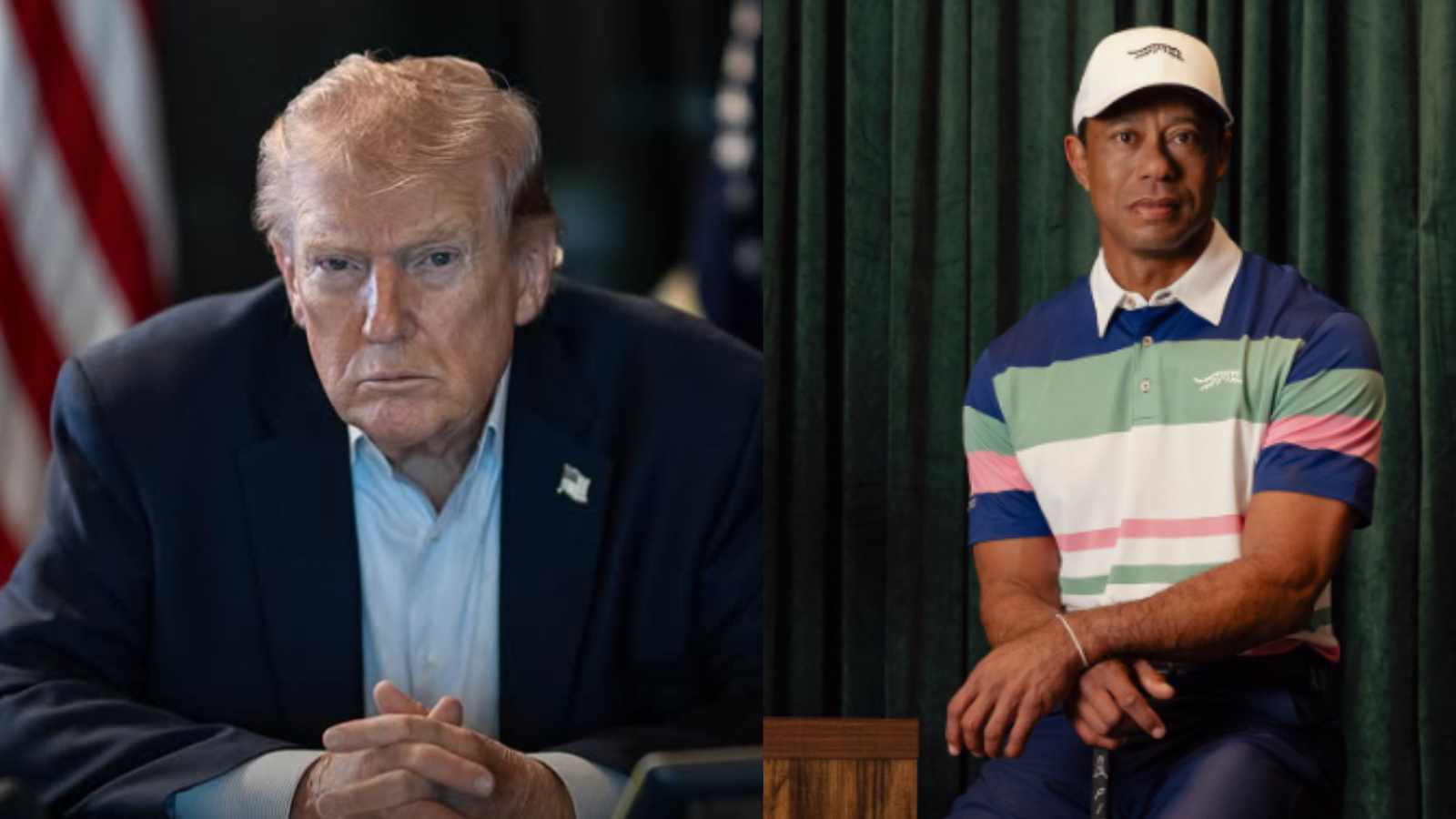
In the aftermath of Tiger’s recent rollover crash and subsequent DUI arrest, an incident that has sent shockwaves through the sporting world, an unlikely narrator has stepped forward to offer a eulogy of sorts for Tiger’s invincibility. Donald Trump, a man rarely accused of subtlety, took to the airwaves not just to defend his long-time friend, but to offer a stark, almost haunting assessment of the legend’s current existence.
“He lives a life of pain,” Trump remarked, his usual bluster replaced by a rare note of somber reflection. “He has a lot of pain. He’s an amazing guy, an amazing athlete, but he does have pain.”
It was a comment that sat at the uncomfortable intersection of deep sympathy and cold judgment. In those few words, the former President pulled back the curtain on a reality that Tiger has tried to outrun for years: the cost of being the Greatest of All Time might just be more than any human body was ever meant to pay.
The Anatomy of a Relapse… and a Relationship
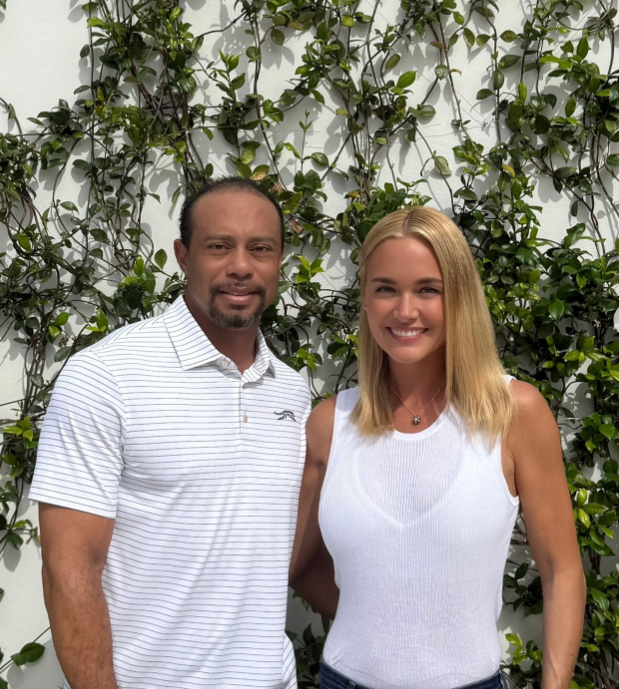
To understand why Trump’s comments carry so much weight, you have to look at the tangled web of their relationship. This isn’t just a “golf buddies” situation. The ties between the Trump and Woods families have become increasingly personal; reports confirm that Tiger is currently dating Vanessa Trump, Donald Trump Jr.’s ex-wife. This isn’t a political alliance; it’s a family-adjacent concern.
When the news broke of the March 27th crash, the details were harrowing. Officers found Tiger “lethargic and slow,” his eyes bloodshot, his speech slurred. While a breathalyzer test came back negative for alcohol, a fact Trump was quick to emphasize to the press, the discovery of hydrocodone pills in Tiger’s pocket told a much older, darker story.
This wasn’t a party gone wrong. This was the physical manifestation of a man whose spine has been fused, whose legs have been rebuilt like a jigsaw puzzle, and who, at 50 years old, is still trying to compete in a game that demands the flexibility of a whip.
“He tested negative for alcohol, as you know,” Trump told reporters, sounding more like a protective uncle than a politician. “He is under tremendous physical pressure from his various ailments… the back and the leg. He doesn’t have an alcohol problem, but he does have pain.”
The “Silent” Recovery That Failed

While the public sees the red shirt on Sundays and the occasional highlight reel, the data behind Tiger’s physical decline is staggering. Since 2014, Woods has undergone at least six major back surgeries, including a spinal fusion, and multiple procedures on his right leg following the near-fatal 2021 crash in California.
What many fans don’t realize is the “half-life” of a professional athlete’s resilience. Medical experts suggest that the sheer volume of inflammatory markers in a body subjected to that many surgeries creates a permanent state of “neural sensitization.” Essentially, the brain becomes so used to receiving pain signals that it begins to generate them even when a specific injury isn’t flaring up.
Trump’s “life of pain” comment isn’t just hyperbole; it’s a clinical reality. Tiger isn’t just “sore” after a round; he is likely navigating a 24/7 fog of chronic agony that makes simple tasks, like changing a radio station while driving, monumental challenges.
Is Our Sympathy Actually Enabling the End?
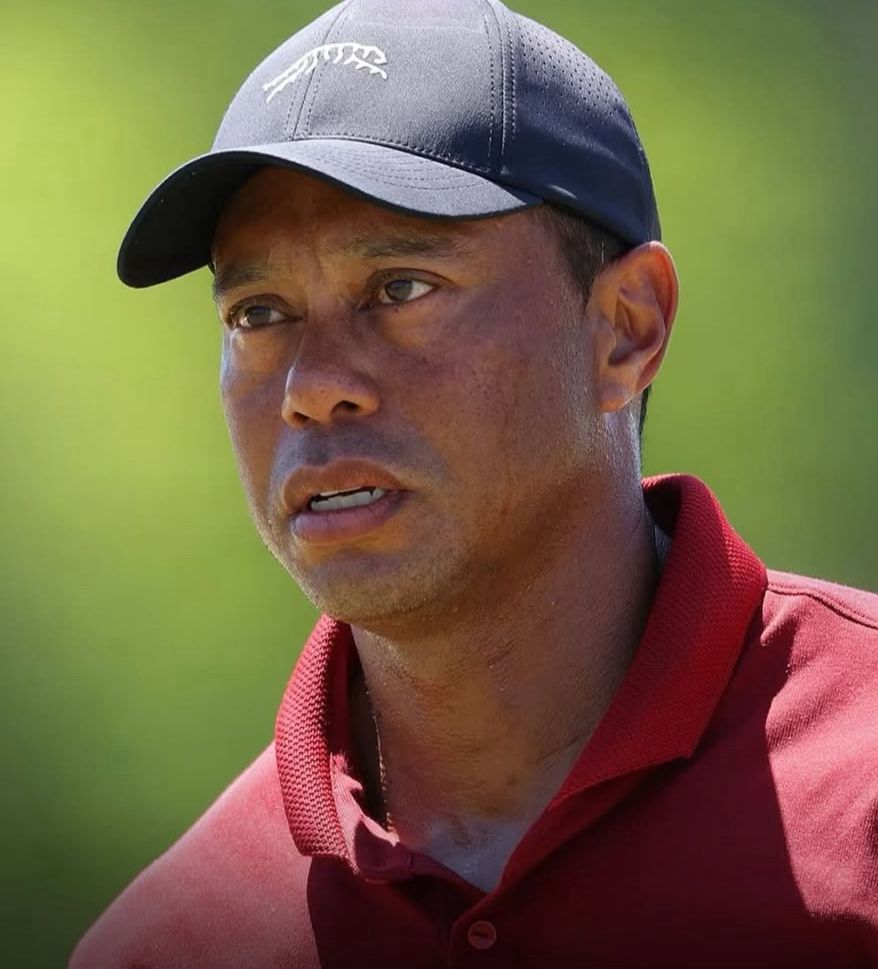
Here is the part where we have to stop nodding in solemn agreement and ask the delicate question: Is the world’s constant “encouragement” of Tiger’s many comebacks actually a form of cruelty?
There is a prevailing narrative in sports that “quitting” is the ultimate sin. We lionize the man who crawls across the finish line on broken bones. We cheered when Tiger limped through the Masters, and we roared when he returned from the 2021 wreck. But at what point does our demand for “one more miracle” become an invitation to his destruction?
My objective view suggests that by treating Tiger as a superhero who must return to the green, we are effectively fueling the dependency on the very medications that led to his Friday night arrest. Trump, for all his sympathy, is still part of the machine that wants to see “Tiger at the Masters.” Even in his recent interview, Trump broke the news that Tiger likely wouldn’t play this April, yet he still framed it as a temporary setback.
“He’ll be fine,” Trump insisted. “He’s going to be terrific.” But will he? Or are we watching a man who is literally breaking himself apart to satisfy a public that refuses to let him grow old?
Perhaps the most “human” thing we could do for Tiger Woods isn’t to pray for another birdie at Augusta, but to hope he never picks up a club again. If his life is truly “painful,” as Trump suggests, then the golf course isn’t his sanctuary… it is his torture chamber.
Facing the Mirror
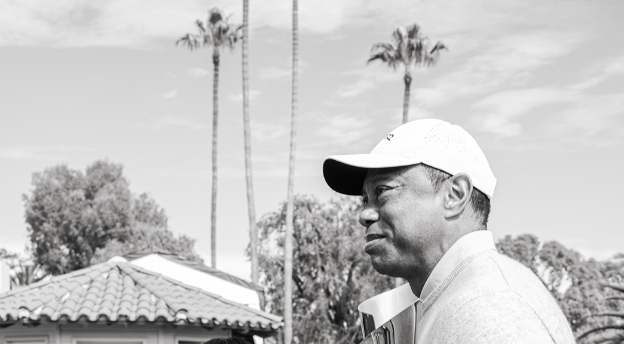
To his credit, Tiger seems to finally be listening to the silence. In a statement released Tuesday, just days after his “not guilty” plea for the DUI, Woods announced he would be “stepping away” to seek professional treatment.
“I know and understand the seriousness of the situation I find myself in today,” he shared via Instagram. “Inb am stepping away for a period of time to seek treatment and focus on my health.”
It was a rare moment of vulnerability from a man who has spent his entire life projecting an aura of total control. It also validated Trump’s “cryptic” updates. For years, Tiger has played the stoic warrior. By admitting he needs help, he is finally acknowledging that the “life of pain” has become unmanageable.
The Verdict
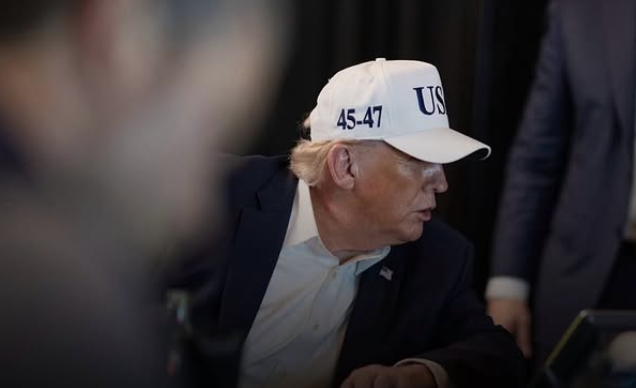
The intersection of Donald Trump and Tiger Woods is a fascinating study in the American psyche. Both men are obsessed with winning, both are polarizing figures, and both have spent their lives under a microscope that would incinerate most people.
When Trump calls Tiger’s life “painful,” he is speaking from a place of rare insight into the burden of the crown. But as Tiger heads into treatment, the rest of us need to look in the mirror. We love a comeback story, but we need to ask ourselves if we’re willing to let the protagonist survive the ending.
Tiger Woods doesn’t owe us another major. He doesn’t even owe us another swing. If he can trade the “life of pain” for a life of peace, that would be the greatest victory of his career… even if it means the red shirt never sees a Sunday again.