The fluorescent lights of Hartsfield-Jackson International hum with a clinical, indifferent buzz, but the air inside is thick with something far heavier than jet fuel. It’s the scent of quiet desperation.
Imagine waking up, putting on a crisp blue uniform, pinning a federal badge to your chest, and heading to one of the most high-stress environments on the planet, knowing you won’t be paid for it. Not today. Not Friday. Not for the foreseeable future.
For thousands of TSA agents in Atlanta, this wasn’t a hypothetical nightmare; it was their Tuesday morning. They were the “essential” backbone of national security, deemed too important to stay home, yet apparently not important enough to receive a paycheck during the latest government gridlock. Then, a black SUV pulls up and out steps a man who has made a career of turning pain into power.
The Billionaire with a Grocery List
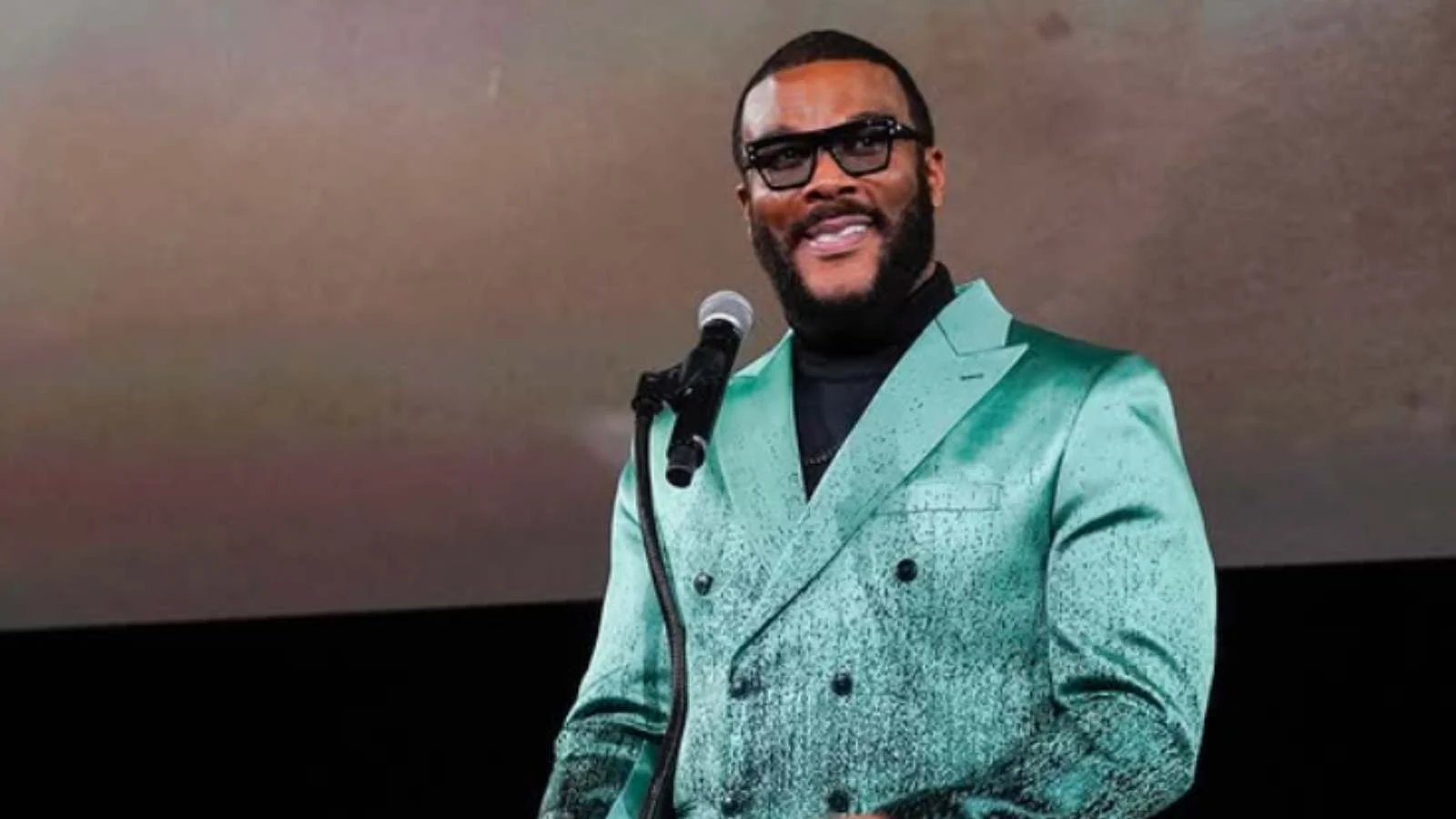
In a scene that felt more like a movie script than a Thursday afternoon in Georgia, media mogul Tyler Perry didn’t just show up to express “thoughts and prayers.” He showed up with a plan to put money directly into the pockets of the people keeping the skies safe.
The reality on the ground was grim. By late March 2026, the partial government shutdown had dragged into its sixth week. In the breakrooms of the world’s busiest airport, the conversation wasn’t about March Madness or upcoming vacations; it was about which credit card still had a limit and which utility bill could be ignored for another ten days.
Perry, a man whose own origin story involves sleeping in his car before building a $1.4 billion empire, reportedly walked into the airport with a “significant” amount of cash. He wanted to do something old-school: hand it over. Direct. No red tape. No middleman. But as it turns out, the government is much better at stopping a generous gesture than it is at passing a budget.
The Red Tape Roadblock
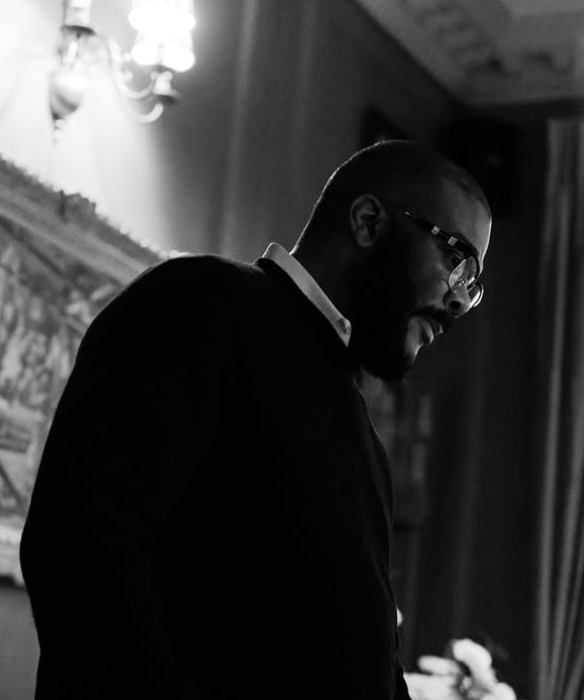
When Perry and his team attempted to distribute the funds, they ran into legal hurdles. Federal ethics rules, the kind designed to prevent bribery, strictly prohibit TSA officers from accepting cash or personal gifts while on duty.
It’s a bitter irony: the government couldn’t give them their own earned wages, but they were legally obligated to prevent a billionaire from giving them a “gift” to buy milk and eggs.
The Pivot: Unwilling to take “no” for an answer, Perry’s team spent the next 24 hours working the phones. By Friday, they had found the “loophole” of a lifetime.
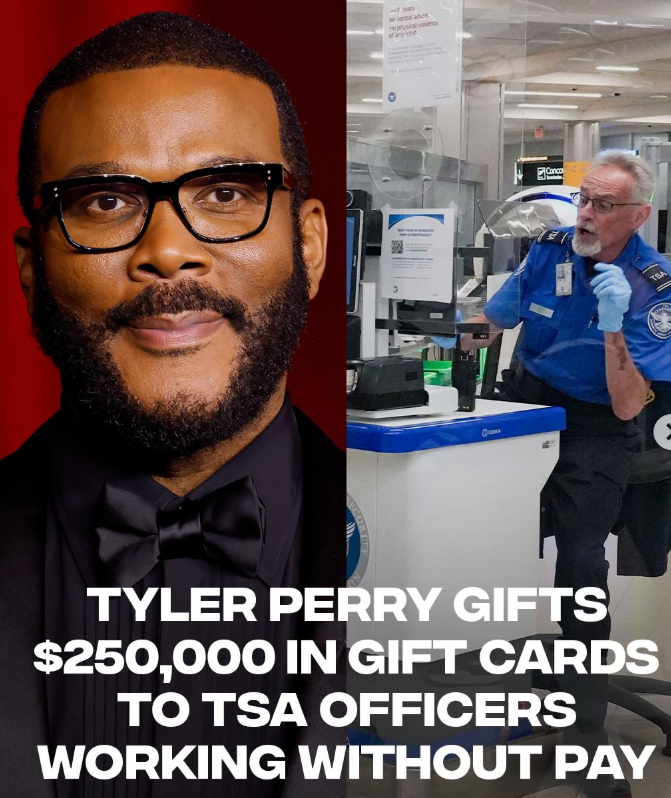
Since individual agents couldn’t take cash, Perry funneled a staggering $250,000 in Visa gift cards through the agency’s leadership and union channels (AFGE Local 554), ensuring that the help reached the people who needed it without triggering an ethics investigation.
The Data Behind the Desperation
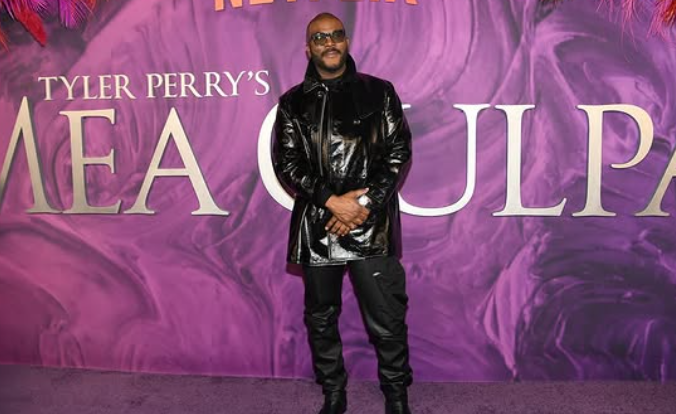
While the headlines focused on Perry’s halo, the raw data reveal why his intervention was a literal lifeline. Most people assume federal workers are “set for life,” but the numbers tell a different story for the TSA:
The Pay Gap: The average TSA officer earns between $38,000 and $50,000 annually. In a city like Atlanta, where the cost of living has spiked 15% in the last three years, living paycheck-to-paycheck isn’t a choice; it’s the math.
The “Sick-Out” Surge: During this shutdown, TSA absences in Atlanta doubled. Officers weren’t “protesting”; they were taking second jobs as Uber drivers or grocery delivery workers just to cover rent.
The Mass Exodus: Data shows that the TSA lost over 300 employees in the first three weeks of the shutdown alone. Replacing a single agent takes four to six months of training and federal vetting. Every day the shutdown continues, the “security” of the TSA becomes a thinner and thinner veil.
Is Perry Part of the Problem?

Now, before we canonize Tyler Perry, let’s lean into a perspective that might make you think twice. It’s the “Objective Trap” of private philanthropy.
There is an argument to be made that Perry’s generosity and the public applause that followed it actually enable the government’s dysfunction. When billionaires step in to patch the holes of a sinking ship, they inadvertently provide “political cover” for the people who drilled the holes in the first place.
If we live in a society where the federal government can stop paying its essential security force because a Hollywood mogul will eventually buy them groceries, have we essentially privatized the social safety net?
“Compassion is not political,” Perry said during a 2025 SNAP crisis where he donated $1.4 million.nBut here’s the rub: Compassion is political when it replaces policy. When we rely on the “Billionaire’s Whim” to feed federal workers, we move away from a system of rights and toward a system of patronage. We shouldn’t be cheering that a celebrity had to pay the TSA; we should be horrified that he could.
If Perry hadn’t stepped in, the public outcry over starving security officers might have forced a resolution in Washington 48 hours sooner. By easing the pressure, does philanthropy accidentally extend the pain?
Beyond the Gift Cards
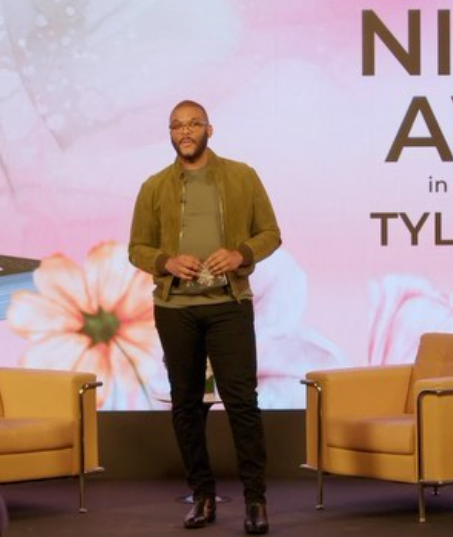
Tyler Perry’s $250,000 didn’t just buy groceries; it bought morale. In the videos circulating from the Atlanta terminals, you don’t see “federal employees.” You see fathers, mothers, and veterans who feel seen for the first time in six weeks.
Perry knows what it’s like to be invisible. He knows the hollow feeling of an empty stomach and the quiet shame of a declined debit card. That’s why he doesn’t just write checks to “foundations,” he shows up at the airport. He shows up at the grocery store. He shows up where the people are.
As the shutdown continues to loom over Washington like a dark cloud, the question remains: How long can a country run on the kindness of its celebrities before the system itself finally breaks?