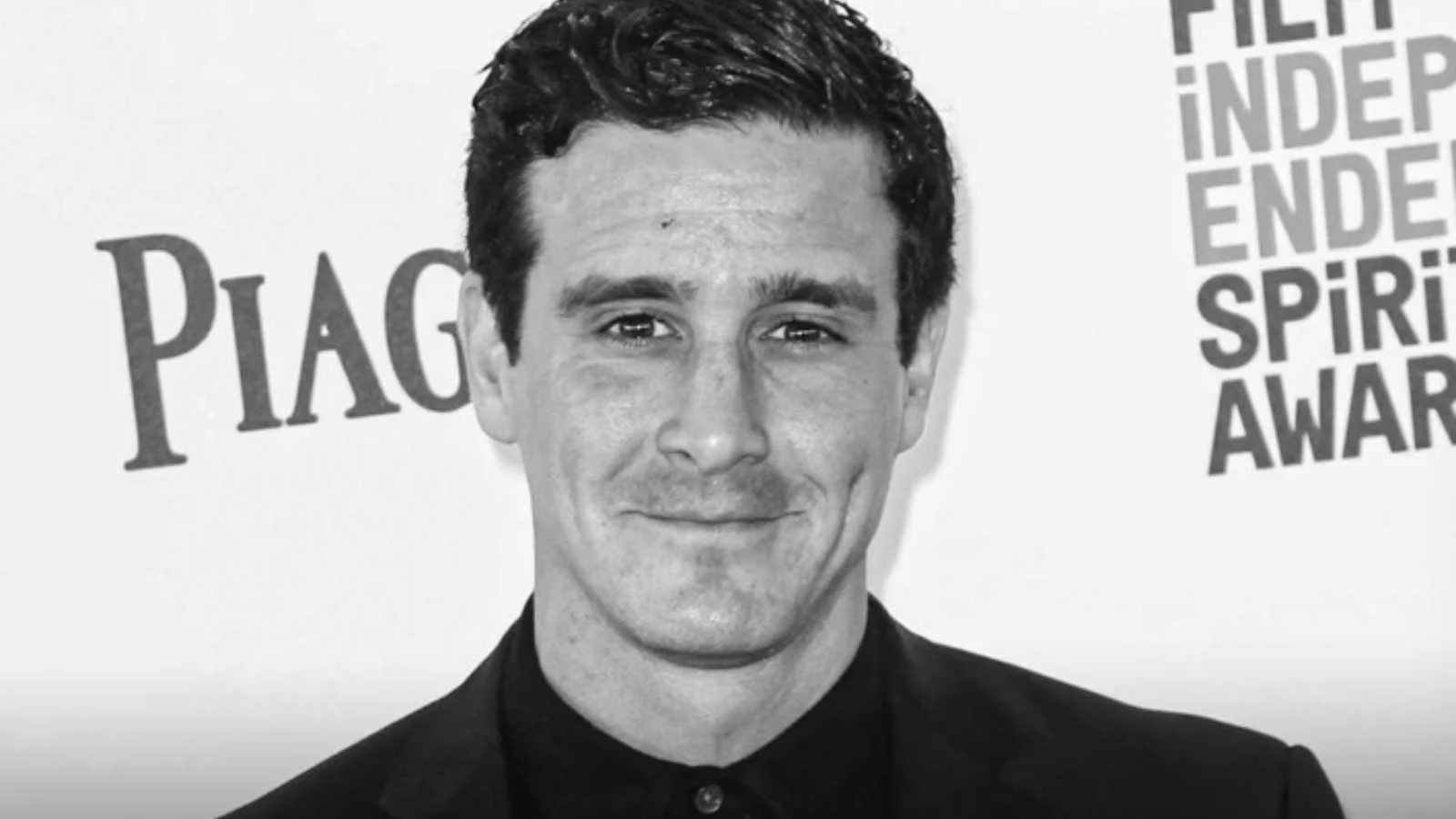
There are some silences that feel louder than applause… The kind that echoes. The kind that doesn’t just pass through a room, but settles into it, heavy and undeniable. The kind that makes you shift in your seat, glance around, and quietly wonder, wait… did they really just leave that person out?
Because sometimes what’s missing says more than what’s present, more than all the clapping hands and polished tributes combined. And in that quiet, unsettling pause, you realize this isn’t just silence… It’s a story of who was seen and who was quietly left behind.
That was the mood hanging in the air after the 98th Academy Awards on March 15, when the annual “In Memoriam” segment, arguably the most emotionally sacred few minutes of the night, rolled by without mentioning actor James Ransone. And for at least one person, that silence didn’t sit right.
A Tribute That Felt Like a Correction
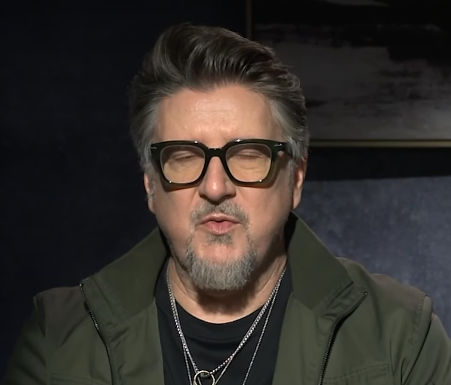
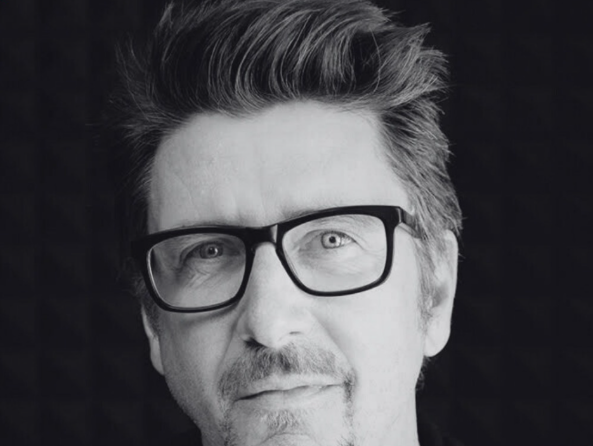
Filmmaker Scott Derrickson, best known for directing Sinister and The Black Phone, didn’t wait for the discourse to settle. He stepped in almost immediately, offering something the Oscars didn’t: a deeply personal remembrance.
“The Oscars In Memoriam ignored him, but I cannot,” Derrickson wrote in a raw social media post, speaking not as a director, but as a grieving friend. He wasn’t speaking casually. James Ransone wasn’t just another actor he’d worked with once or twice.
He had cast him in five films, building a creative partnership that spanned years and genres. And more than that… he buried him. “In early January, I buried James ‘PJ’ Ransone…” Derrickson shared, revealing a grief that still sounded fresh, still unsettled. Still hung in the air.
Ransone had died by suicide in December 2025 at the age of 46, a loss that stunned collaborators and fans alike. So, when the Oscars montage moved on without him, it didn’t just feel like an oversight. It felt… quite personal.
The Kind of Actor You Don’t Forget… Until You Do
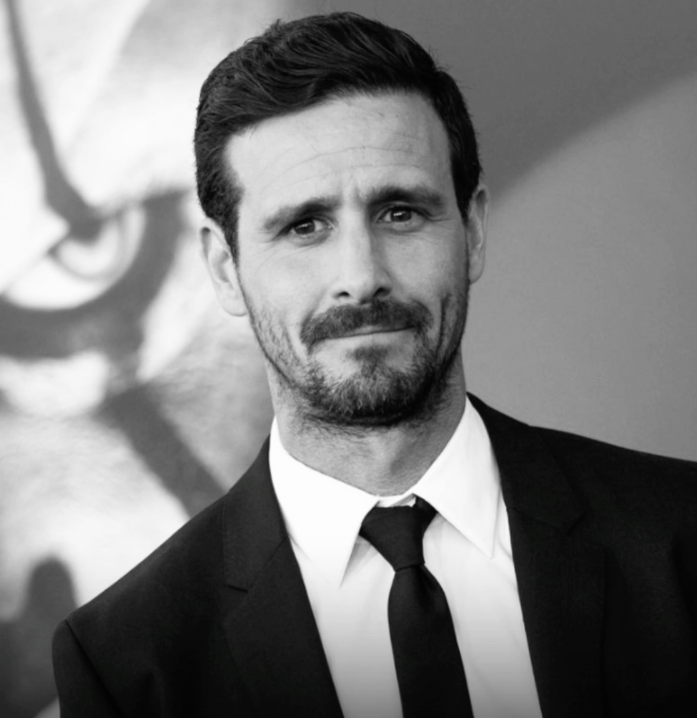
If you know Ransone, you really know him. He wasn’t the polished, red-carpet kind of star. He didn’t dominate headlines or chase prestige roles. Instead, he built a career on something harder to define but impossible to fake: volatility.
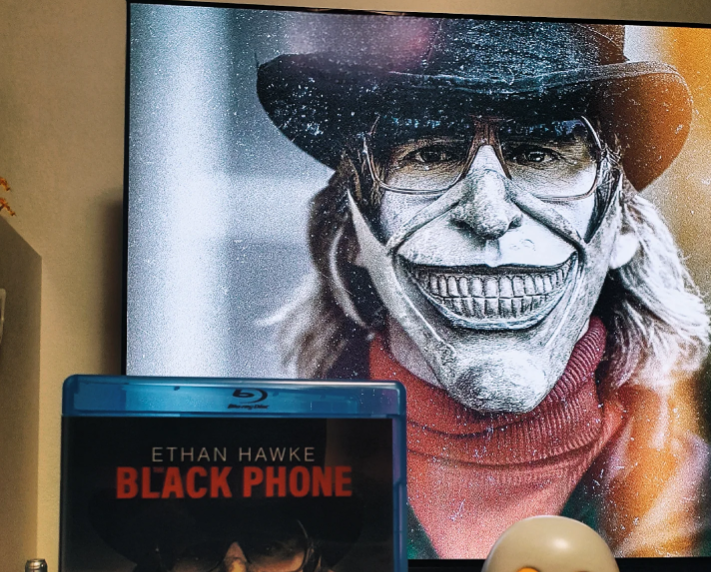
He played men who felt like they might unravel mid-sentence. From Ziggy Sobotka in The Wire, arguably one of television’s most chaotic and tragic figures, to his unsettling turns in horror films like Sinister and The Black Phone, Ransone specialized in characters who lived in the uncomfortable in-between.
He wasn’t always likable. But he was always alive. Colleagues often described him as unpredictable, funny, reckless, and deeply human, a combination that made him magnetic onscreen and, by many accounts, complicated off it.
That complexity didn’t disappear in death. If anything, it became part of the conversation Derrickson urged people to have, with more compassion, not less.
The Oscars Problem No One Wants to Solve
Here’s the uncomfortable truth many would rather avoid: the Oscars’ “In Memoriam” segment has always had a math problem. There are more deaths than minutes. Every year, names are left out. Every year, audiences notice. Every year, the Academy quietly points to its full online archive, where those omitted from the televised segment are still honored.
Ransone, like many others, wasn’t entirely erased; his name appears on the official list. But that’s not the same thing. Because the televised montage isn’t just about documentation. It’s about visibility. It’s about who gets a moment in front of millions, set to music, held in collective memory.
And who doesn’t? In 2026, Ransone wasn’t alone in being left out. Several other notable figures were also missing from the broadcast, sparking broader criticism about how these decisions are made. Time constraints, producers say. Editorial judgment. Narrative flow. All valid explanations, but none of them is emotionally satisfying.
What If The Oscars didn’t fail him?
Let’s sit with something a little uncomfortable, yet liberating. What if this isn’t just a story about the Academy getting it wrong? What if it’s also about how Hollywood decides who matters, long before the Oscars ever roll the montage?
Because here’s the thing: Ransone’s career, while respected, lived mostly in the margins of mainstream recognition. He was a character actor in an industry that still worships leading men. He did some of his most memorable work on television (The Wire), a medium that the Oscars have historically undervalued.
And even within film, he thrived in genres like horror, which the Academy has only recently begun to take seriously… and even then, selectively. So, by the time the Oscars had to make their choices, Ransone was already at a disadvantage, not because of talent, but because of where that talent lived.
In that sense, the omission wasn’t an anomaly; it was a reflection. A mirror held up to an industry that often celebrates visibility over depth, prestige over texture, and fame over impact. That doesn’t make it right, but it does make it… predictable.
A Legacy That Doesn’t Need a Montage
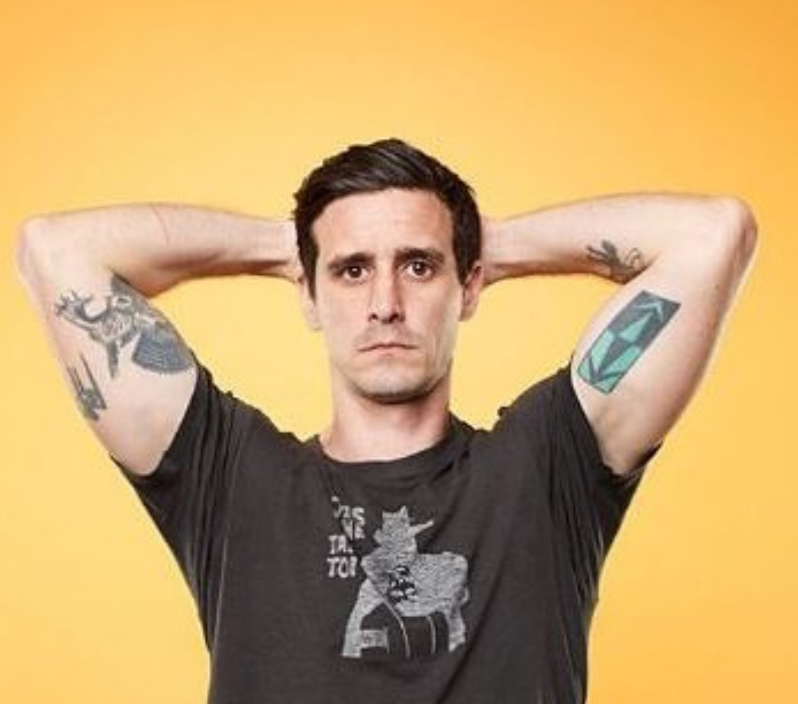
There’s another layer here, one that Derrickson seemed to understand instinctively. Not all legacies are built for highlight reels. Ransone’s work wasn’t about neat, triumphant arcs. It was messy, jagged, and sometimes uncomfortable to watch. The kind of performances that don’t always translate well into a 10-second clip set to orchestral music.
But ask the people who worked with him. Ask the young actors he mentored on set. Ask the fans who still talk about Ziggy like he was a real person they knew, and maybe even were, at some point in their lives. That kind of impact doesn’t disappear because it wasn’t broadcast on Oscar night.
If anything, the backlash to his omission has done something the montage might not have: it has forced people to stop, look him up, revisit his work, and ask why he mattered. And in a strange, bittersweet way… that’s a kind of remembrance too.
The Silence… Filled Differently
Award shows are built on spectacle. On music swelling at the right moment. On carefully curated emotion. But grief doesn’t work like that. Grief spills. It interrupts. It shows up in tweets, in interviews, in quiet conversations long after the cameras are gone.
Scott Derrickson didn’t just call out the Oscars. He filled in the silence they left behind. And maybe that’s the real takeaway here, not whether the Academy got it right or wrong, but how quickly the people who knew Ransone stepped in to make sure he wasn’t forgotten.
Because at the end of the day, remembrance isn’t owned by institutions. It lives in the people who refuse to let it fade… and in that sense? James Ransone was remembered exactly the way he should have been… messy, complicated, deeply human… and, above all, impossible to ignore.