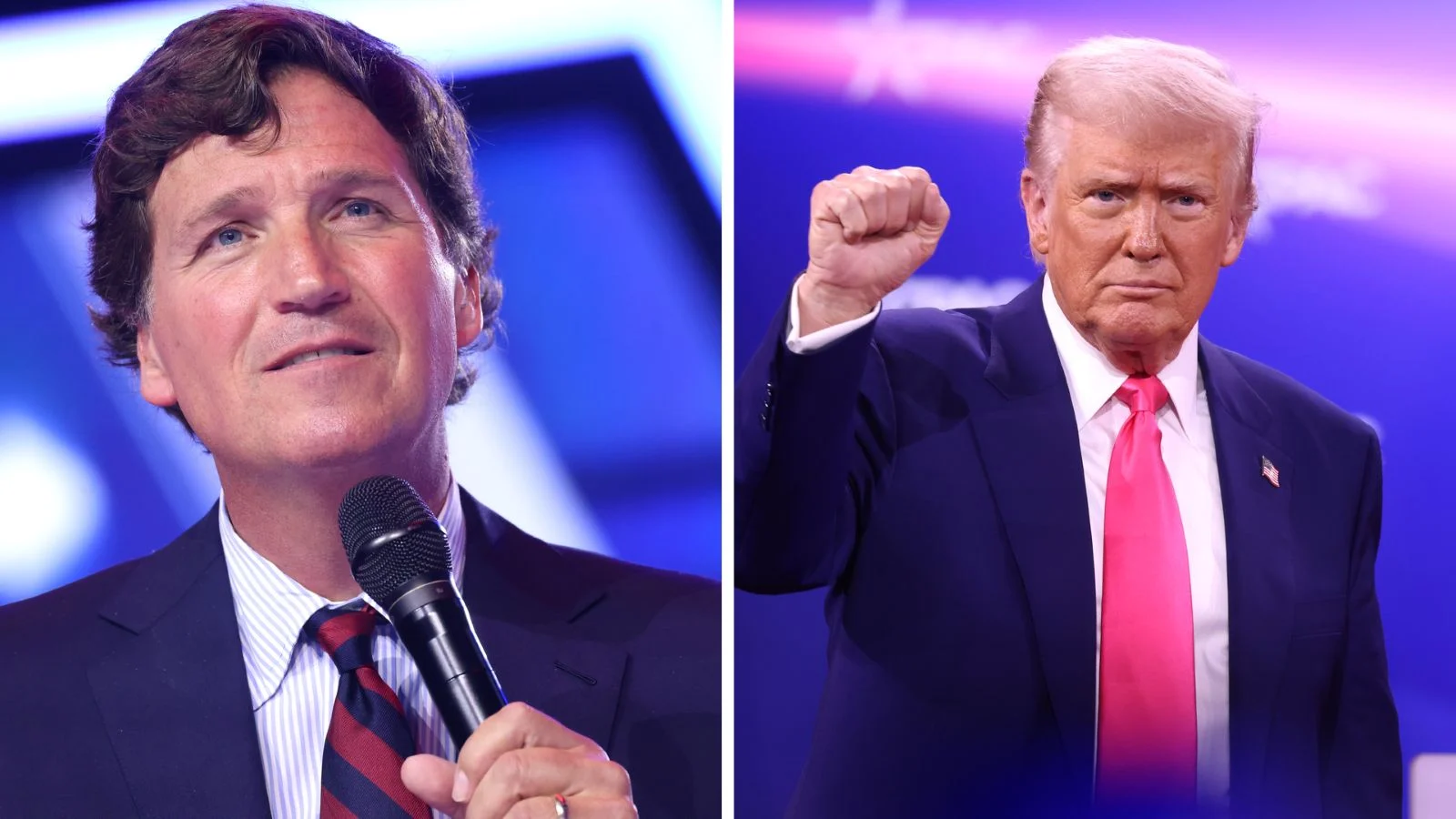
Tucker Carlson called the Iran strikes “absolutely disgusting and evil.” Trump responded by saying Carlson has “lost his way” and is “not MAGA.” This weekend, Carlson claimed, without offering evidence, that the DOJ may be preparing to charge him as an unregistered foreign agent. Marjorie Taylor Greene jumped to his defense, saying people are attacking Carlson because they’re “terrified” he’ll run for president. Trump previously called Greene a “traitor.” Then Trump widened the feud again by publicly backing Mark Levin in Levin’s ugly fight with Megyn Kelly, turning one rupture into a full-blown MAGA media war. Meanwhile, Joe Rogan told listeners that Trump supporters feel “betrayed,” and Candace Owens is seven episodes deep into a conspiracy docuseries about Erika Kirk, the widow of her late former ally, Charlie Kirk.
If this sounds less like a political coalition and more like a shared cinematic universe with too many lead characters, that’s because it is.
If you’re noticing Tucker Carlson being attacked from literally every direction of the political machine.
It’s because they are terrified of him running for president.
Because he would win and they know it.
And that’s why I’m deeply concerned for my friend Tucker Carlson and…
— Former Congresswoman Marjorie Taylor Greene
(@FmrRepMTG) March 15, 2026
Tucker Is the Main Character Now
Carlson is the right anchor for this story because he’s not just a commentator. He’s a media star with more than 5 million YouTube subscribers who built his post-Fox brand on being the one person willing to say what nobody else would. For years, that meant saying it in Trump’s direction. Now he’s saying it at Trump, and the audience hasn’t flinched. They’ve leaned in.
Trump told ABC’s Jonathan Karl that Carlson has “lost his way” and is “not smart enough to understand” what America First means. Carlson has since taken the fight onto Piers Morgan’s set and Steve Bannon’s platform, warning that the Iran war could “end Trump’s presidency.” Ted Cruz called him “the single most dangerous demagogue in the country.” None of this is happening in closed-door meetings. It’s happening on podcasts, livestreams, and X threads, the same platforms that built the MAGA media machine in the first place.
The Cast Keeps Getting Bigger
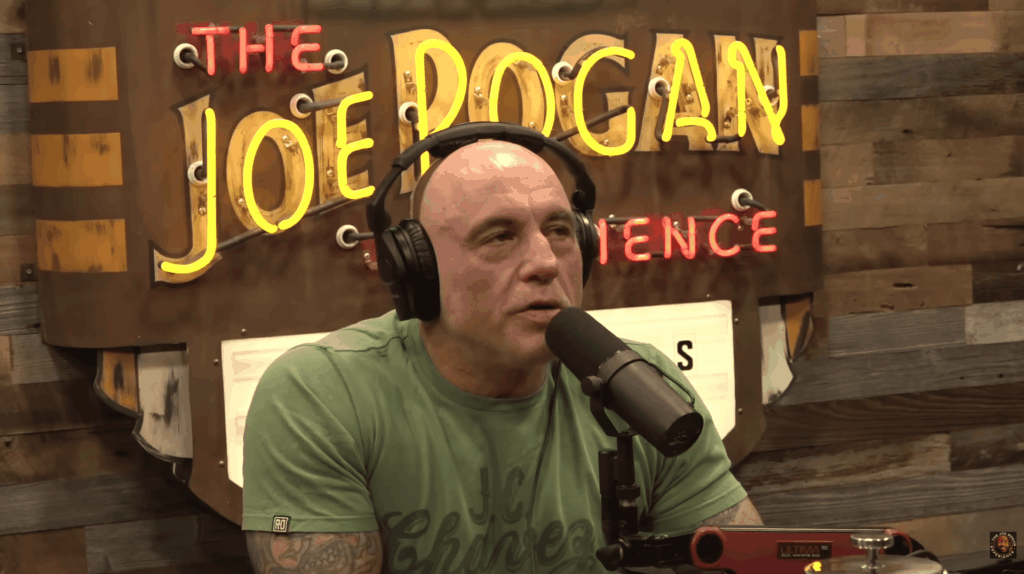
Tucker is the loudest fracture, but he’s not alone. Rogan, the man Trump thanked by name after the 2024 election, told listeners the Iran war “seems so insane based on what he ran on” and that voters feel betrayed. AP reported that Megyn Kelly and Matt Walsh are also among the conservative media figures publicly criticizing Trump’s Iran policy, with Kelly saying “no one should have to die for a foreign country” and Walsh calling the administration’s messaging “the worst possible thing” Marco Rubio could have said. Owens had already previewed the same blame-game dynamic in February, posting that if war with Iran came, “they’ll blame me and Tucker Carlson somehow.”
And when it happens they’ll blame me and Tucker Carlson somehow.
— Candace Owens (@RealCandaceO) February 19, 2026
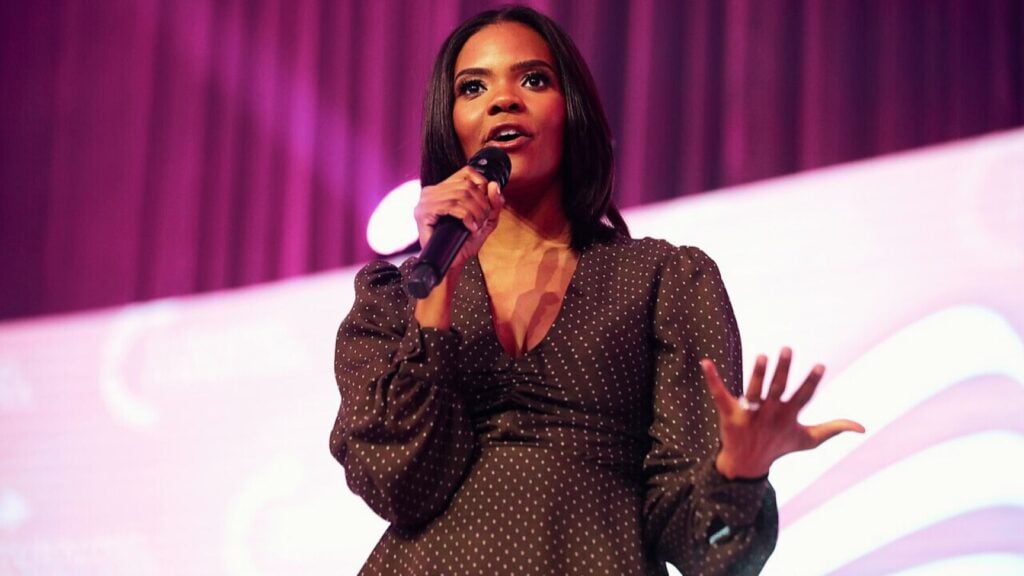
And then there’s the Owens-Kirk civil war. Candace Owens is seven episodes into a YouTube series alleging, without verified evidence, that Erika Kirk is connected to everything from Epstein to satanic rituals. The first episode has passed 5 million views on YouTube. NPR’s Molly Olmstead said the dispute is still largely taking place on social media, not through the formal leadership of the Republican Party.
This Is Content Warfare, Not Policy Debate
Here’s what makes this a media story and not just a political one: every single one of these fractures is being performed for an audience. Tucker didn’t write a private letter to Trump. He went on multiple shows in a week. Rogan didn’t quietly stop backing the president. He said it on his show. Owens didn’t file a complaint with TPUSA’s board. She launched a seven-episode production with trailers, cliffhangers, and episode titles.
The MAGA media ecosystem was built on loyalty as performance, public displays of allegiance that functioned as content. Rally speeches. Podcast endorsements. Social media pile-ons against anyone who stepped out of line. What’s happening now is the same system running in reverse. The betrayals are performed with the same intensity, on the same platforms, for the same audiences. The movement that monetized loyalty is now monetizing the breakup.
The Audience Already Knows the Characters
This is why MAGA infighting works online the way reality TV does. The audience already knows Tucker, Rogan, Candace, MTG, Bannon, and Trump the way viewers know the cast of a long-running franchise. They have allegiances. When two of them fight, it’s not a policy seminar. It’s a season finale. The parasocial relationships are locked in. All the conflict has to do is show up.
And show up it has. Tucker’s anti-war clips are spawning their own reaction cycle. Trump’s “not smart enough” line became its own content loop. The Owens series has generated response videos and fan theories. This is how fandoms behave when a franchise starts turning on its own cast.
The Franchise Is Cracking. The Ratings Are Up
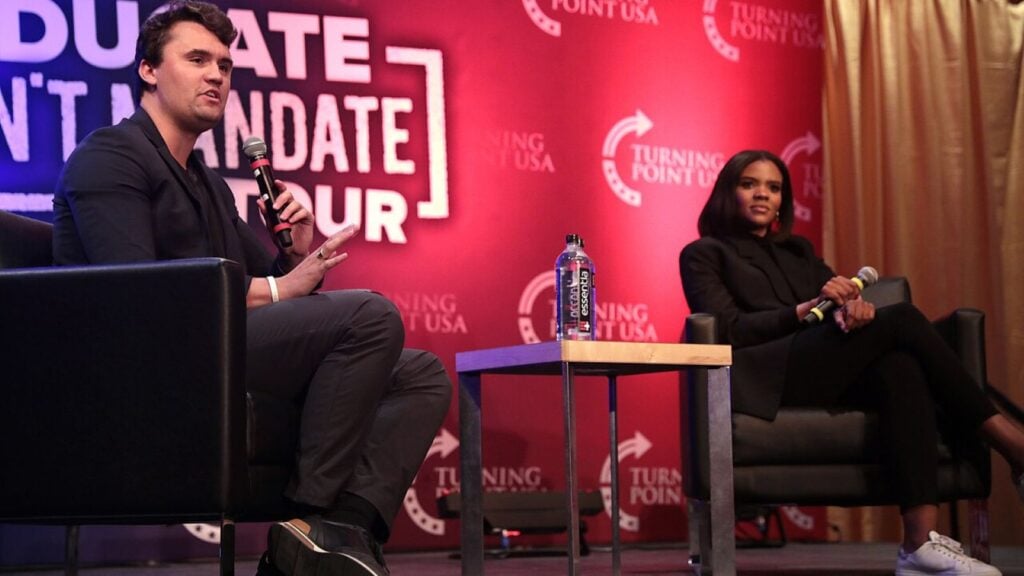
The MAGA movement isn’t collapsing. What’s happening is weirder: the biggest media personalities on the American right are turning their internal disagreements into bingeable content, and the audience is rewarding them for it. Tucker is still reaching millions. Owens’ series keeps pulling huge numbers. Rogan is still feeding the betrayal storyline to one of the country’s biggest podcast audiences.
The movement that built itself on loyalty theater is now running a new show. Same cast, same platforms, same audience. The only thing that’s changed is the plot. And if the last few weeks are any indication, the audience likes this version better.