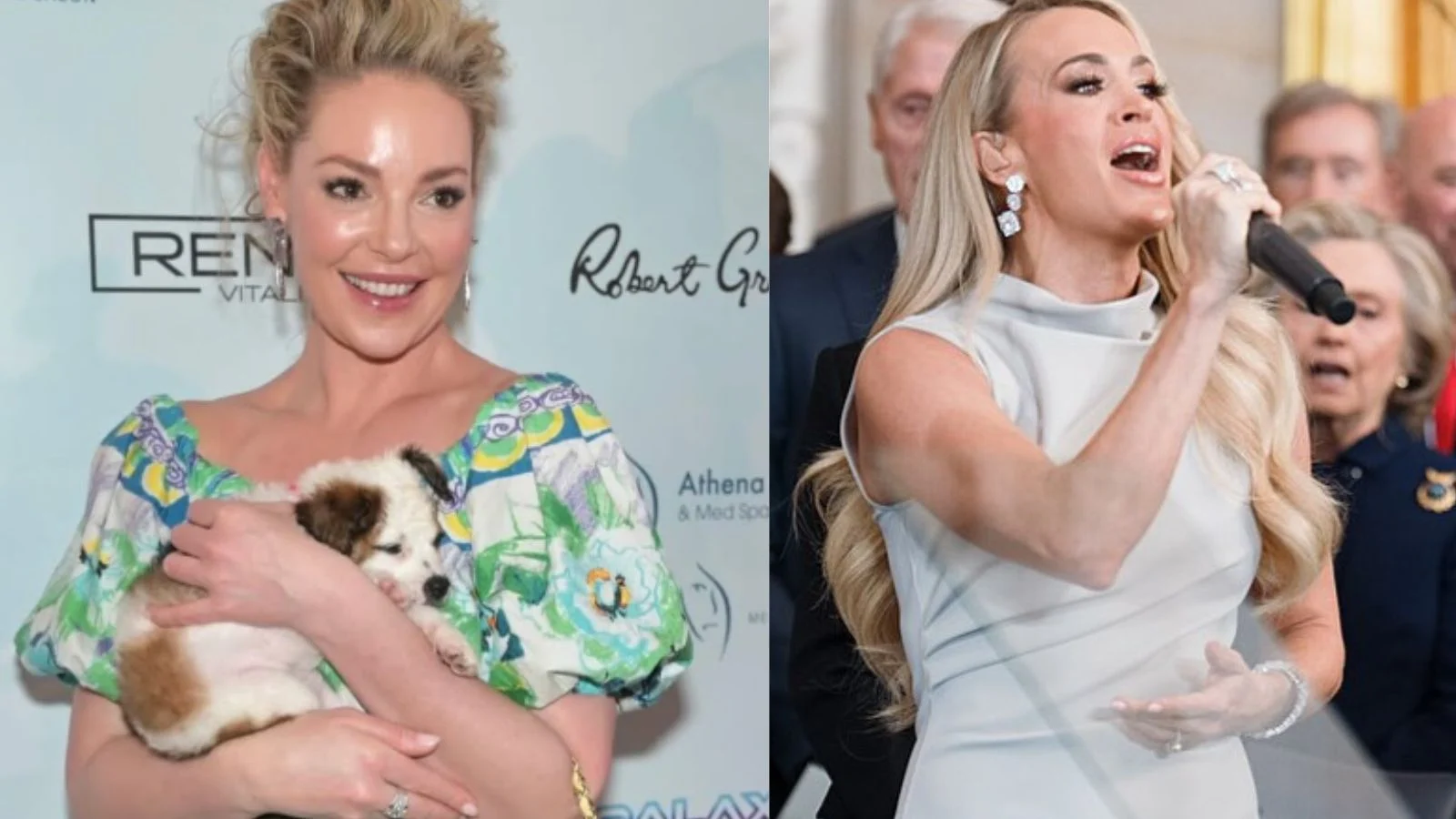
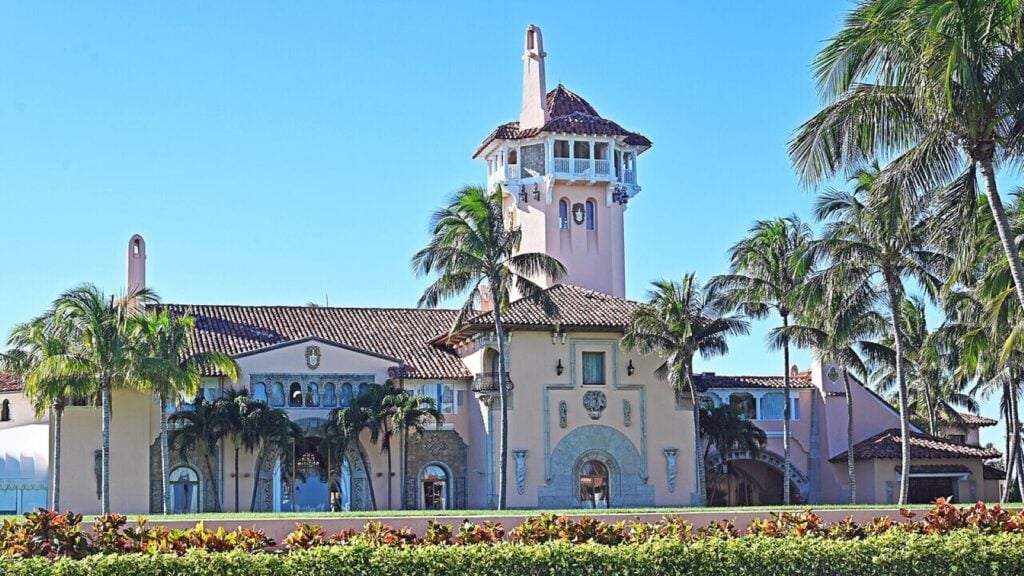
Katherine Heigl showed up at Mar-a-Lago last weekend, posed for photos with Lara Trump and Jeanine Pirro at an event that raised $5.5 million for Big Dog Ranch Rescue, and then spent days in an Instagram comment section telling critics they weren’t doing enough to help animals. Her defense: “Animals don’t vote.” Carrie Underwood sang at Trump’s January 2025 inauguration, went a cappella when the backing track failed, and told the world she was “humbled to answer the call at a time when we must all come together.” Her defense: it was about unity, not politics.
Two women. Two very different events. One identical playbook. And a public that is getting increasingly skeptical of how often celebrities reach for it.
The Script

Heigl’s statement to JustJared was careful, controlled, and clearly pre-written. “Animals don’t vote. The only room they don’t like is the euthanasia room at a shelter. They are completely at the mercy of us, and they have no voice of their own.” She framed the entire event as apolitical, a gathering of people who love dogs, raising money for dogs, on behalf of dogs, who do not have opinions about the 47th president.
She also brought receipts. The Jason Heigl Foundation, which she co-founded with her mother Nancy in 2008 in honor of her late brother, has spent nearly two decades funding spay-and-neuter work, rescue partnerships, and anti-gas-chamber advocacy. This is not a woman who invented animal advocacy for a Mar-a-Lago photo op. The cause is real. The credentials are documented.
So is the venue. So are the faces around it. And so is the pattern.
When Underwood confirmed her inauguration performance in January 2025, her statement landed in almost the same register. “I love our country and am honored to have been asked to sing at the Inauguration and to be a small part of this historic event. I am humbled to answer the call at a time when we must all come together in the spirit of unity and looking to the future.” The cause — patriotism, national unity, honoring the moment — was real. The credentials, for a woman who has performed at the Opry and won eight Grammys, were not in question. And in 2019, she told The Guardian that she tries to stay far from politics in public because nobody wins.
Nobody won.
The Comment Section Disagrees
What neither woman anticipated — or both anticipated perfectly and chose to ignore — is that “it’s not political” lands differently in 2025 and 2026 than it might have five years ago. The venue is the message now, in a way it simply wasn’t before.
Heigl’s critics weren’t just complaining about dogs. “There are so many amazing rescues to align yourself with that aren’t hosting events there,” one commenter wrote. Heigl fired back asking whether that person had ever attended a charity event or donated money to anything. The exchange escalated from there — confirmation, if any was needed, that “this isn’t political” is now its own political statement.
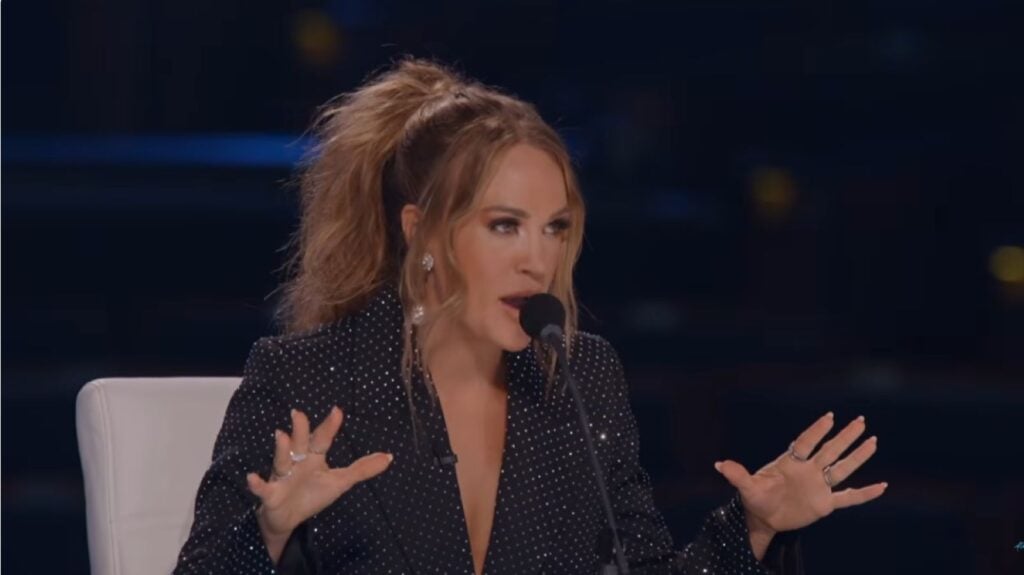
Underwood’s critics weren’t just complaining about patriotism. “I’ve been booing you since the inauguration,” one X user replied to her Hollywood Week post. At least online, the boos she received on American Idol were never fully separable from January 20, 2025. Viewers made that connection immediately. “Boo me. I don’t care” is a perfectly calibrated response to both things simultaneously — the judging critique and the political noise — without acknowledging that they had already become the same noise for a lot of people watching.
The Defense That Stops Working
Here is the genuine tension underneath both stories. Both women have legitimate, documented reasons to be where they were. Heigl’s animal advocacy predates any political calculus. Underwood’s career has always included performing at national events. Neither of them owes the internet a loyalty test. And the cause-over-context argument — I was there for the animals, I was there for the country — is not automatically cynical just because it’s convenient.

But “it’s not political” as a defense has a shelf life. It works once, maybe twice. After that, it starts to sound less like a principle and more like a strategy.
Both women have now used it. Both walked into politically charged spaces with genuine credentials, genuine causes, and strikingly similar explanations for why the location shouldn’t matter.
The public is still arguing about whether it does.
So here’s the question neither statement actually answers: if the cause is real and the venue is irrelevant, why does the same defense keep showing up — in slightly different language — every time a celebrity ends up somewhere that requires explaining?