The Security Bubble Is Already Here
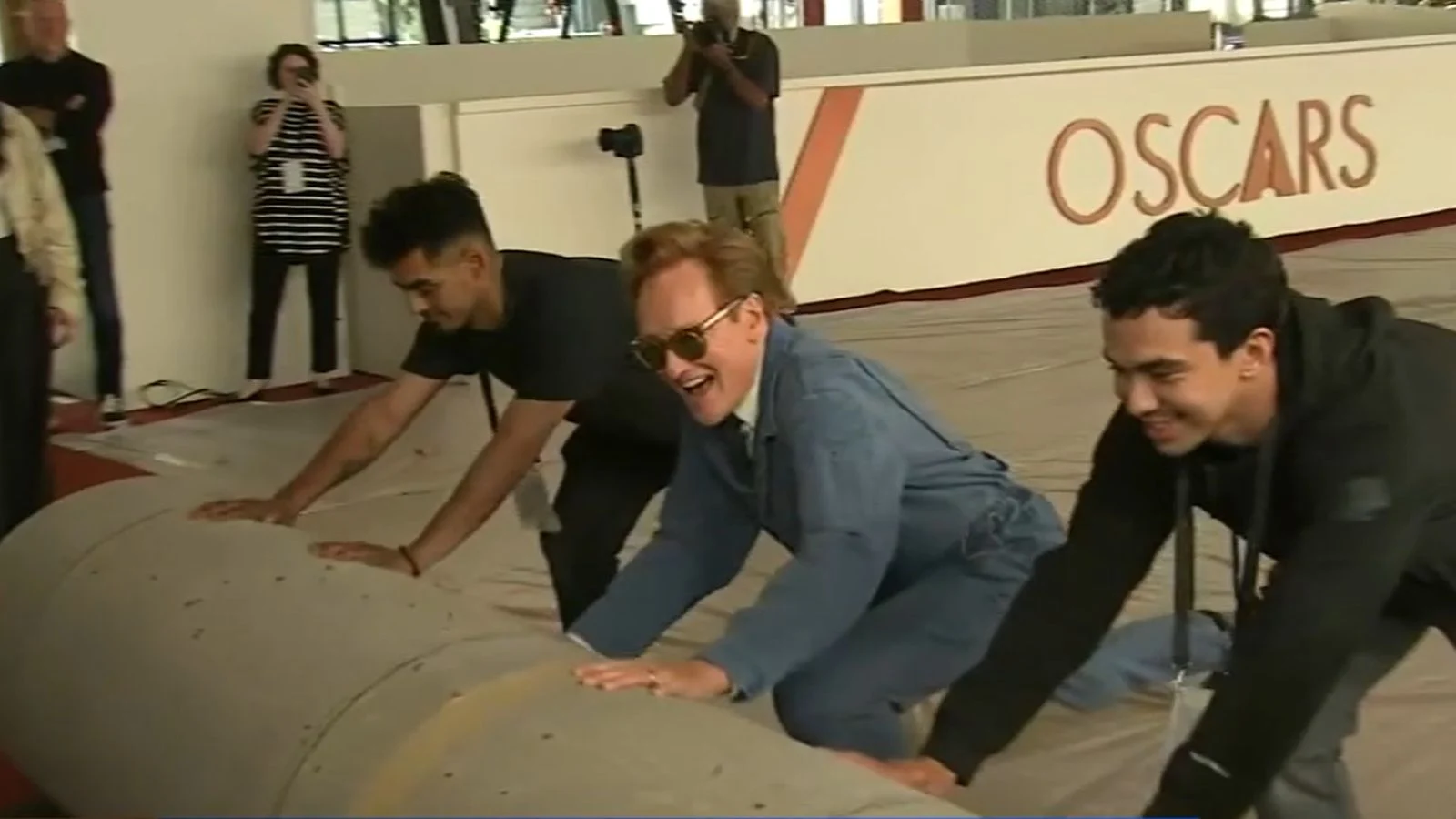
The red carpet was rolled out on Hollywood Boulevard on Wednesday. Conan O’Brien was there smiling for the cameras. The 98th Academy Awards are four days away. So is a security posture that looks less like ordinary awards-week choreography and more like a city hardening a symbol in public.
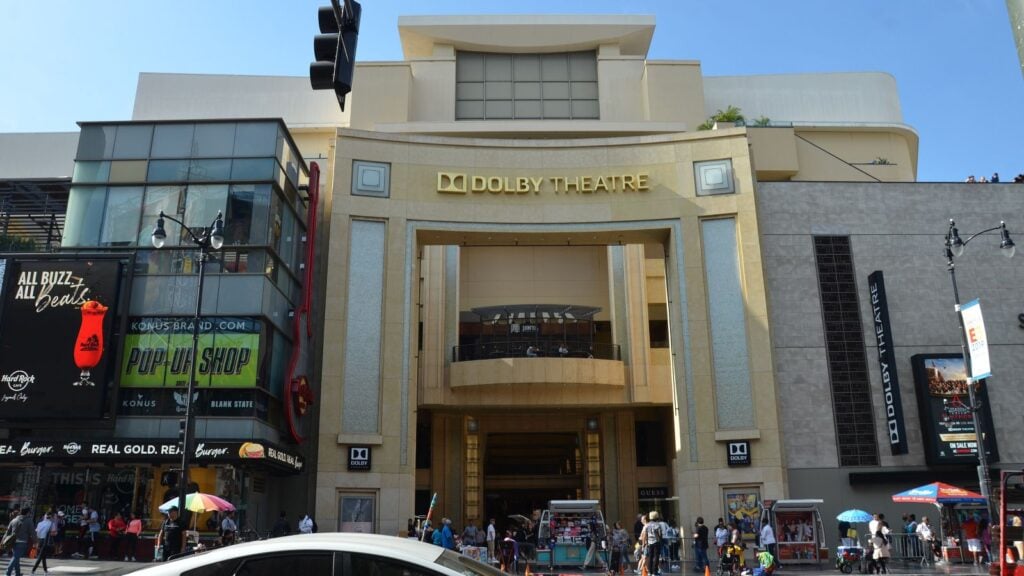
LAPD says there is no specific or credible threat to the Dolby Theatre. It is still deploying uniformed officers, surveillance cameras, and drones, activating SWAT and bomb-squad units with bomb-sniffing dogs, building a one-mile perimeter around the theater, and working alongside about 1,000 private security officers at and near the venue. Once attendees are inside, the theater will lock down, and security sweeps will continue throughout the day.
That is the contradiction hanging over Oscar week. Publicly, the show must still feel glamorous, frictionless, and fun. Operationally, it is being treated like a globally visible event that authorities cannot afford to get wrong.
Why the Oscars Suddenly Feel Different
The reason for the shift is not hard to find. An FBI bulletin reviewed by ABC News said Iran allegedly aspired, as of early February, to conduct a surprise drone attack against unspecified targets in California from a vessel off the coast if the United States struck Iran. The same bulletin also said the FBI had no additional information on timing, method, target or perpetrators.
That distinction matters. LAPD told NBC Los Angeles there is no specific or credible threat to Los Angeles right now, and NBC News reported that five law enforcement sources said there were no specific Iranian drone attacks planned against California despite the broader concern. Reuters, citing a Department of Homeland Security assessment, reported last week that Iran and its proxies probably pose a persistent threat of targeted attacks in the United States, even though a large-scale physical attack is considered unlikely.
That is exactly what makes the Oscars angle so unnerving. The event does not need to be under a confirmed plot to feel newly exposed. It just has to be what it already is: one of the most photographed nights in American entertainment, staged outdoors and in public, with famous people moving through a predictable corridor under global attention.
The Script No One Can Break
And nobody who actually needs to walk that carpet can say the quiet part out loud.
The Academy’s job this week is reassurance. Raj Kapoor, the showrunner and executive producer, did exactly that on Wednesday, saying the Oscars have one of the best teams in the business and that the production is working closely with the FBI and LAPD. That is the only available script from the show’s producers. Keep calm. Keep moving. Keep the machinery of normalcy running.
The nominees and presenters are trapped in a version of that same script. No actor trying to win an Oscar is going to publicly workshop fear four days before the ceremony. No publicist is going to volunteer anxiety into the media cycle when the entire week is designed to sell poise, excitement, and inevitability. So the public face of the event remains what it always is: fittings, rehearsals, presenter announcements, performance teases, and red-carpet logistics. The security bubble exists. The glamour machine acts like it does not.
Hollywood Is Performing Calmly
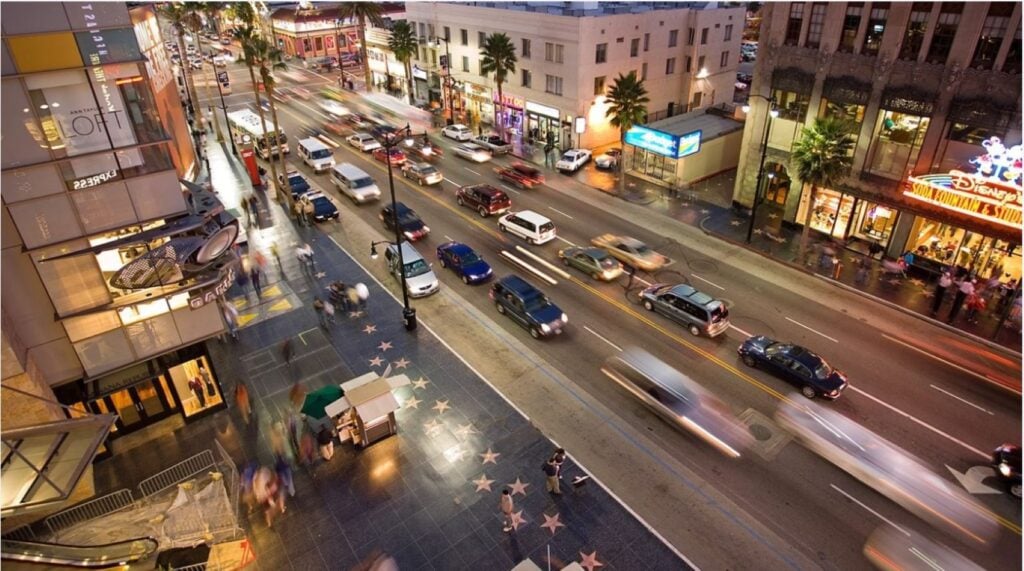
The Oscars are not just heavily protected; Hollywood now has to maintain serenity within a visibly hardened perimeter. The same boulevard selling fantasy to the cameras is also being mapped, checked, monitored, and sealed. The same event built around effortless spectacle is now forced to coexist with bomb dogs, vehicle checks, and drone monitoring.
There is something almost too on the nose about that. Hollywood’s biggest night has always depended on the illusion that glamour floats above the world for a few hours. This year, the world is refusing to stay offstage.
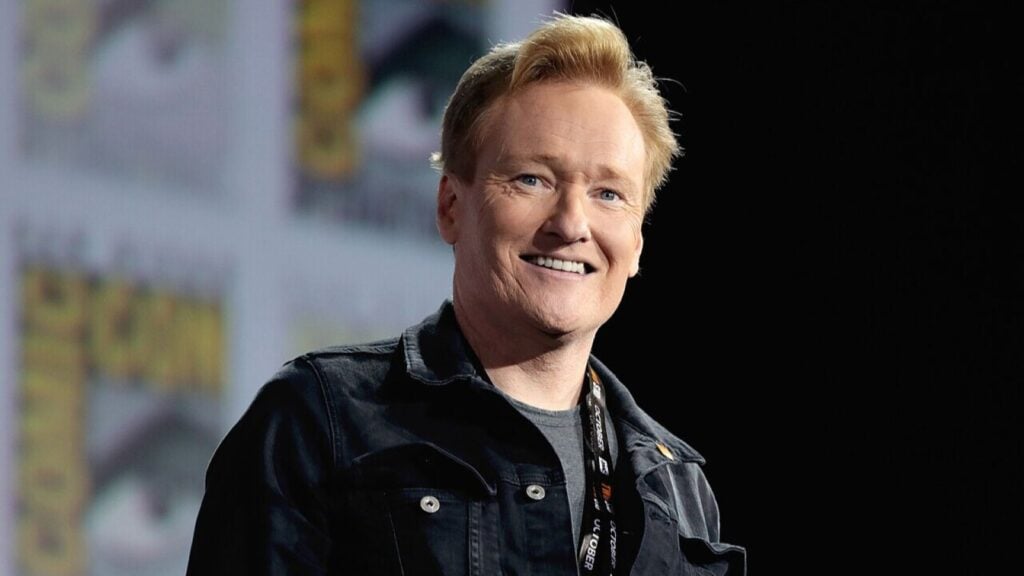
The show is still happening Sunday, March 15, at the Dolby Theatre. The carpet is down. The host is in place. The perimeter is going up. And somewhere between those two realities is the emotional space everyone attached to this ceremony now has to walk through without acknowledging it too directly.
When Does the Show Stop Looking Like a Show
The real question is not whether the Oscars can still look glamorous under that kind of protection. Hollywood can make almost anything look glamorous for a few hours.
The question is what it means when the security plan starts to feel like part of the production design, and whether a show built on illusion can keep pretending that nothing fundamental has changed.