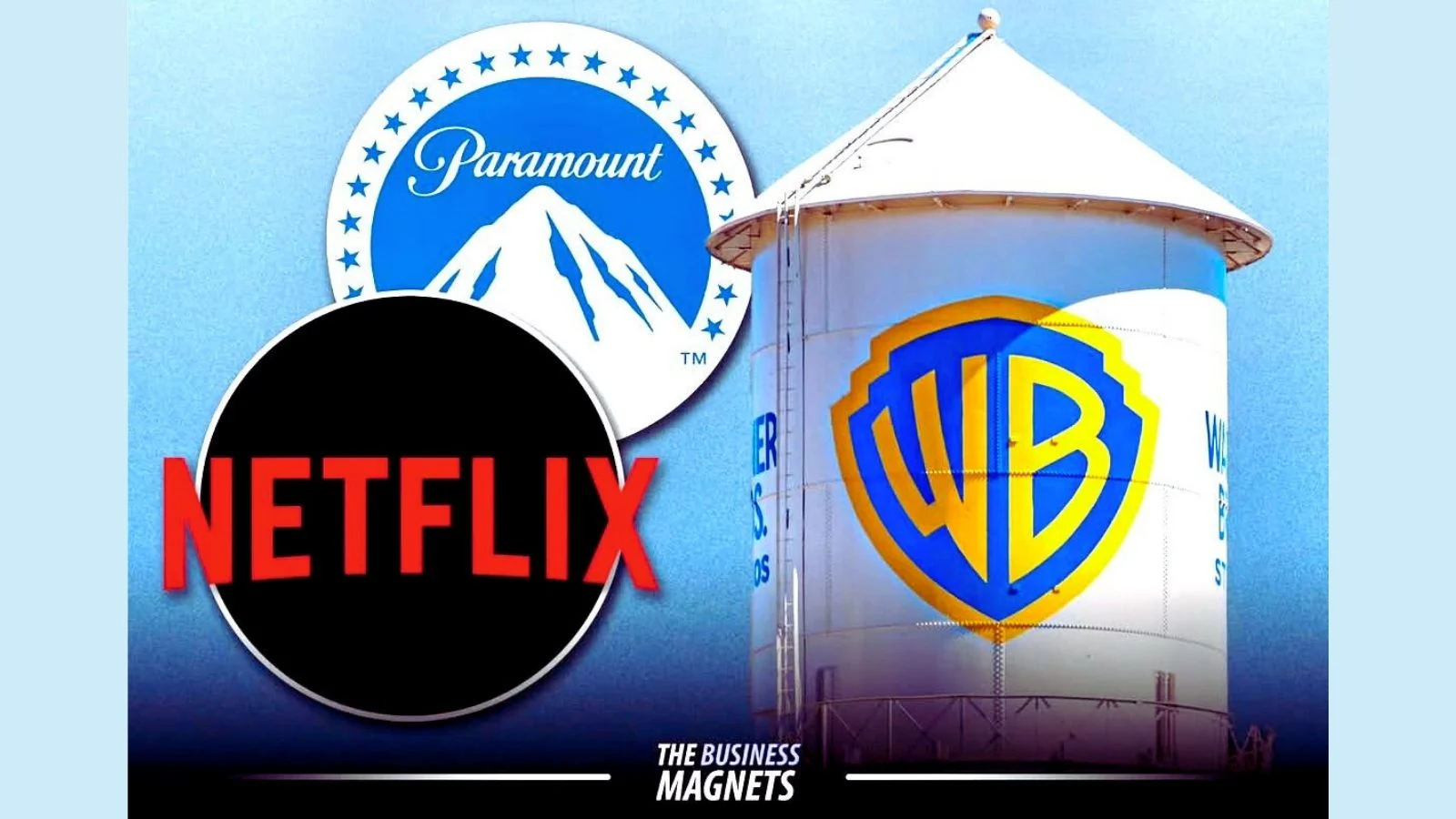
The landscape of American media shifted on February 27, 2026, when Netflix officially confirmed the receipt of a $2.8 billion breakup fee in a new SEC filing. This multi-billion-dollar cash transfer marks the conclusion of a competitive bidding process for Warner Bros. Discovery, with Paramount Skydance agreeing to cover the penalty to clear the path for its own $108 billion merger.
While Netflix originally sought to acquire specific assets, such as the media company’s studio and HBO Max, in a deal valued at $27.75 per share, the company ultimately stepped aside after Warner Bros. Discovery accepted a bid that offered shareholders roughly $17.6 billion more in cash.
This outcome ensures that Paramount Skydance moves forward with a total takeover of the studio while Netflix adds a significant windfall to its balance sheet without incurring any new debt.
The $2.8 billion fee serves as the final price of entry for Paramount Skydance to secure what the company termed a superior offer for the entire business. Under the terms of the original December 2025 agreement between Netflix and Warner Bros. Discovery, a penalty was required if the seller pursued a different suitor.
SEC documents show that Paramount Skydance transferred these funds on February 27 to fulfill contractual obligations and finalize the merger at $31 per share.
This specific arrangement allowed Warner Bros. Discovery to pivot away from the initial Netflix offer, which valued the studio and streaming assets at a lower per-share price in a mix of cash and stock. By covering the fee directly, Paramount Skydance ensured that the board could accept the new valuation without the burden of the breakup costs falling on existing shareholders.
A Contrast in Corporate Strategy
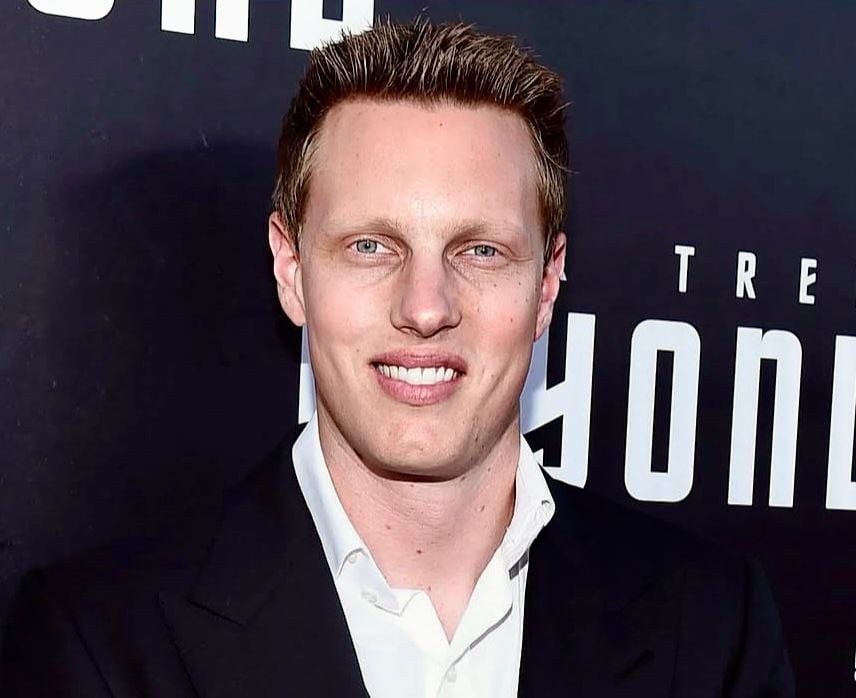
The competition for the studio and the DC Universe came down to two different financial philosophies presented by industry executives. David Ellison, CEO of Paramount Skydance, highlighted the strength of his bid in a December 2025 market statement. He noted that his group was presenting shareholders with $17.6 billion more in cash than the agreement they currently had with Netflix.
This emphasis on immediate liquidity proved a deciding factor for a board seeking a definitive financial outcome for its investors.
While cash was the primary driver, Netflix Co-CEO Ted Sarandos offered a different perspective on what the merger might mean for the workforce. In a CNBC report, he noted that the original Netflix plan for the assets would safeguard jobs, contrasting it with the $6 billion in synergies that Paramount Skydance aims to achieve.
The timeline of this acquisition shows how quickly regulatory winds and financial offers can reshape a studio’s future. Following the initial Netflix agreement in late 2025, the deal faced hurdles amid reports of regulatory skepticism from the Trump administration. These obstacles provided a window for Paramount Skydance to launch its bid and eventually raise the stakes to a level that Netflix chose not to match.
By the time the merger was signed on February 27, the narrative had shifted from a tech giant expanding its library to a consolidation of traditional media power. The final agreement values the company at $110 billion and assumes the Warner Bros. Discovery debt and its various cable networks.
Reactions from the Corporate Suite
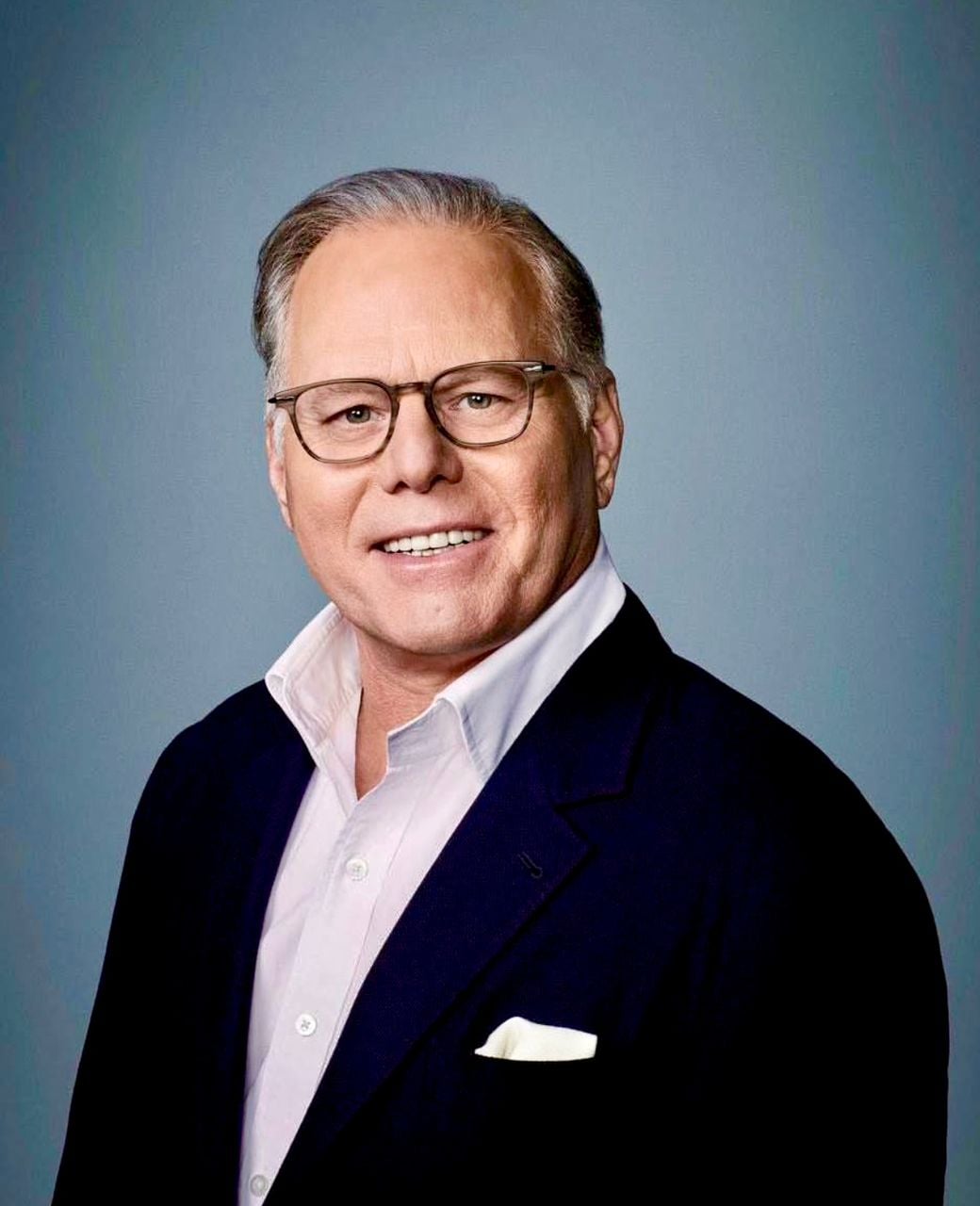
The leadership at Warner Bros. Discovery appears focused on finalizing the deal after a period of intense public bidding. In an official press release issued on February 27, 2026, CEO David Zaslav stated that he was very pleased with the outcome achieved for shareholders and the entertainment industry.
He explained that the guiding principle throughout the process was to secure a transaction that maximizes the value of iconic assets while delivering as much certainty as possible for investors.
This preference for a clear path forward likely explains why the board moved toward the Paramount Skydance offer, which provided a higher per-share price and a commitment to keep the company whole. While the executive suite remains optimistic about the merger, employee concerns have been reported across major outlets regarding the potential for cuts to reach that $6 billion target.
The industry is now parsing the details of what this means for the future of streaming and theatrical releases. This move effectively ends the pursuit of a strategy that would have sold off only the most profitable parts of the studio. Instead, Paramount Skydance is taking on the entire enterprise, including the challenges of the linear television market.
This decision has sparked a conversation about the long-term viability of large media conglomerates in an era of increasingly fragmented audiences. The combined entity will now have to manage roughly $54 billion in total debt on its balance sheet following the merger.
A New Era for the Silver Screen
The next phase for the combined company involves a regulatory review to determine whether the deal meets antitrust standards for the 2026 market. According to the joint merger announcement, the transaction is expected to close in the third quarter of 2026, subject to customary conditions and a vote by Warner Bros. Discovery shareholders.
For Netflix, the $2.8 billion windfall provides immediate capital that company representatives have indicated will be used to strengthen their existing content slate. By walking away now, the streaming giant avoids the long-term financial commitments and debt obligations required to manage a traditional studio system.

The conclusion of this bidding war marks a definitive move toward consolidation among Hollywood legacy players. As Paramount Skydance prepares to integrate the Warner Bros. library, the industry’s focus shifts to how these two massive catalogs will coexist on a single platform.
For audiences, the merger could eventually lead to changes in how major franchises are distributed across streaming and theatrical windows. While the financial details are now finalized in SEC filings, the cultural impact of this $108 billion transaction will become clearer as the new leadership team begins its transition later this year.