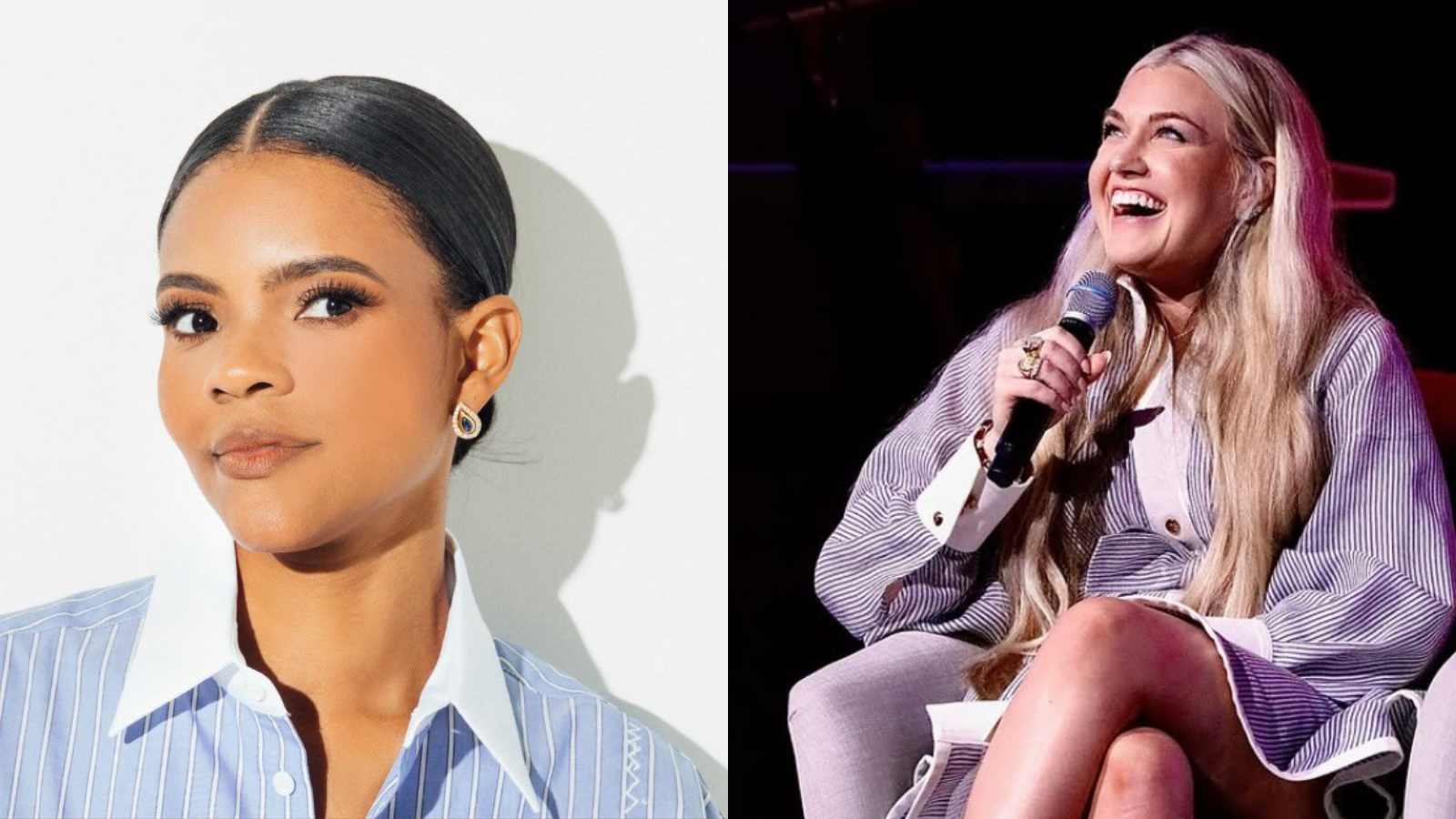
A new controversy is shaking parts of the conservative media world this week. This was after political commentator Candace Owens claimed that all archived episodes of The Charlie Kirk Show were quietly removed from major platforms, and she pointed the finger at Erika Kirk, widow of the late Charlie Kirk and the current CEO of Turning Point USA.
Owens’s assertions have reignited tensions within the right-wing online ecosystem, drawing both criticism and fierce debate among supporters and opponents alike. Here’s what actually happened, who these players are, and why this drama resonates far beyond a single podcast episode.
Owens’ Allegation About the Show’s Disappearance
Owens took to social media recently claiming that The Charlie Kirk Show, once widely available on Spotify, Apple Podcasts, and YouTube, mysteriously vanished from those platforms. She suggested that the change occurred shortly after Erika Kirk took over leadership of Turning Point USA (TPUSA) following her husband’s assassination in 2025.
Owens wrote that this removal pointed to organizational direction, arguing that it was unlikely that multiple platforms would independently pull the same episodes at the same time.
Not to be awkward but regarding your instruction that we should watch Charlie’s old content to see how he felt…
One of the early actions his wife took as the new CEO was to have ALL of the Charlie Kirk Show episodes removed from Spotify, Apple, and YouTube.
This was done less… https://t.co/J2ddLze1ln— Candace Owens (@RealCandaceO) February 15, 2026
Owens’s specific claim on X (formerly Twitter) was that when listeners emailed TPUSA asking about the missing content, they were told it was simply due to the platform’s handling of large show libraries. She rejected that explanation and doubled down on her view that this was more than a coincidence.
However, there is no verified proof that Erika Kirk personally ordered the removal. Episodes remain accessible on alternative platforms like Rumble and TPUSA’s own website, which complicates Owens’s narrative. No official statement from Spotify, Apple, or YouTube confirms that Erika Kirk or TPUSA requested that removals happen.
Who Is Erika Kirk? More Than Just Charlie Kirk’s Widow

Erika Lane Kirk is an American businesswoman, nonprofit executive, and podcaster who became chairwoman and CEO of TPUSA after the assassination of her husband, Charlie Kirk, in September 2025. She was named for that role shortly after his death, taking over the organization he founded to continue its mission.
Born in 1988, she was crowned Miss Arizona USA in 2012 and competed in Miss USA that year. Beyond pageants, she founded initiatives such as Everyday Heroes Like You and BIBLEin365, reflecting her involvement in both community outreach and faith-based projects. She also hosts her own podcast, Midweek Rise Up, where she discusses faith, culture, and conservative activism.
Her transition into the CEO role was rapid and not without complications, both because of the shock of her husband’s death and because TPUSA was thrust into the spotlight, navigating internal leadership dynamics during a period of organizational upheaval.
The History Between Owens and TPUSA
Candace Owens’s relationship with TPUSA and Charlie Kirk goes back several years. Owens previously served as the organization’s communications director but left in 2019 after controversial comments she made at a live event prompted criticism from some TPUSA chapters.
Since then, Owens has remained a prominent right-wing media figure with millions of followers across YouTube and social platforms, known for her provocative commentary and, at times, controversial claims. She has specialized in cultural criticism, conspiracy discussion, and challenging establishment narratives, including within conservative ranks.
When Charlie Kirk was assassinated in September 2025, Owens did not retreat from bold theories, instead she advanced them. She publicly questioned aspects of the killing and suggested conspiratorial angles, including unproven ideas about where the assassin came from, how the attack occurred, and who might be responsible. She even linked Israel or other entities in online discussions, though none of these claims are backed by official evidence.
Erika Kirk has publicly asked Owens to stop spreading unverified claims. During a CBS News town hall with Bari Weiss, Erika simply stated: “Stop. That’s it. That’s all I have to say. Stop.” to Owens’s conspiracy statements.
What Owens Actually Said About the Show
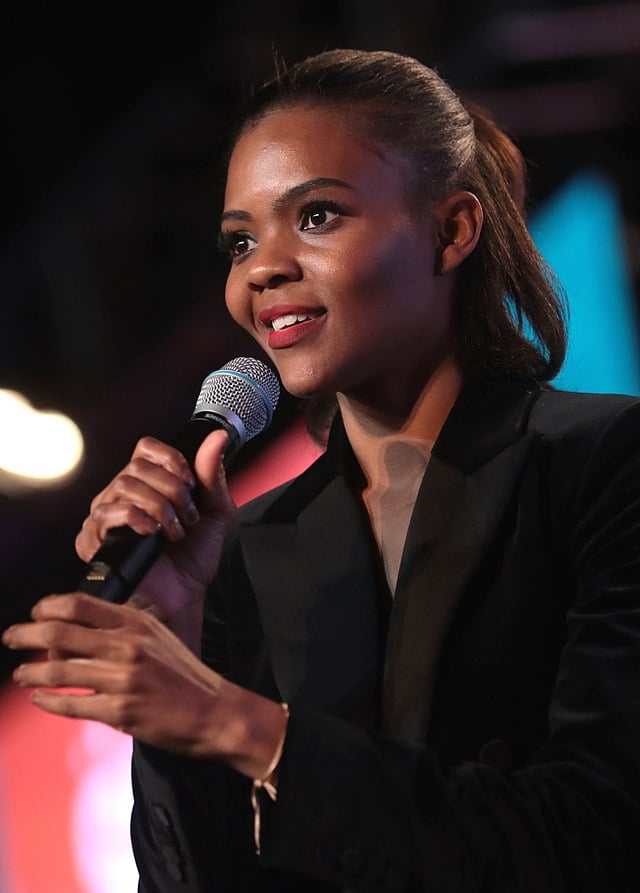
Owens’s allegation about the show’s disappearance stems from the timing of its removal from major platforms. She claimed that The Charlie Kirk Show was taken down less than six weeks after the assassination and questioned how three different services (Spotify, Apple, YouTube) could all have removed the show simultaneously, absent coordinated action.
In defending her position online, Owens criticized TPUSA’s response, claiming that a staffer blamed the platform handling for the removals instead of acknowledging organizational decisions. She insisted the situation “strongly suggested organisational direction,” a position that remains unproven and contested.
Other Tensions and Accusations
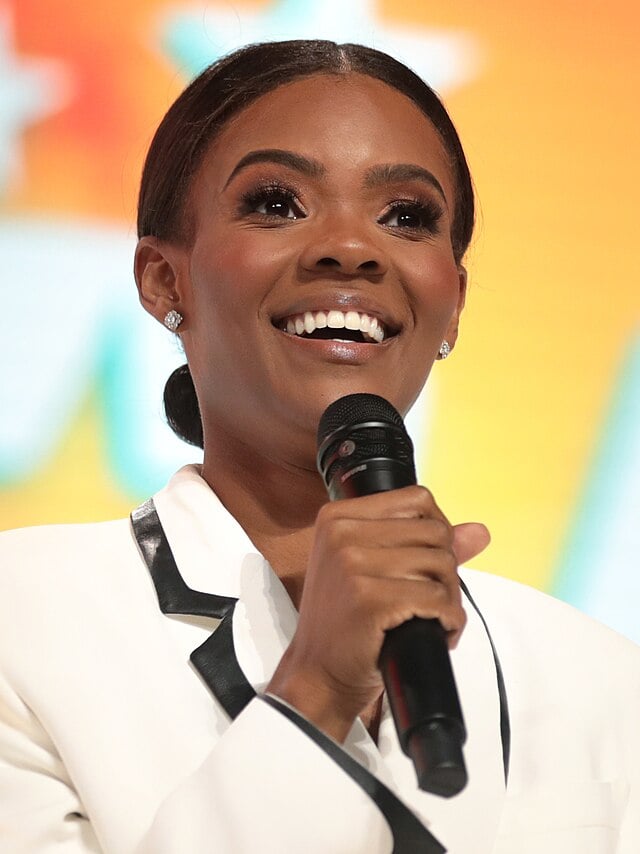
The podcast feud has not existed in isolation. Owens has also made unrelated claims about Erika Kirk’s donors, alleging that a key financial backer of TPUSA’s women’s division follows Scientology. This remark sparked its own backlash and intensified the divide between Owens and other conservative media figures.
Another recent flare-up involved conservative commentator Laura Loomer, who publicly urged Erika Kirk to sue Owens after Owens joked that “Erika should be dragged into a police precinct” during a podcast, language Loomer called “beyond depraved.”
There have also been moments of confusion about Erika Kirk’s online presence, including screenshots suggesting her social media profiles had gone “dark” or shifted back to her maiden name, but independent review shows such screenshots aren’t verified as her official page, and privacy settings or unrelated accounts could explain the appearance.
A Larger Cultural Moment, Not Just a Podcast Argument
What makes this feud compelling is that it reflects broader debates about leadership, legitimacy, and narrative control within political movements.
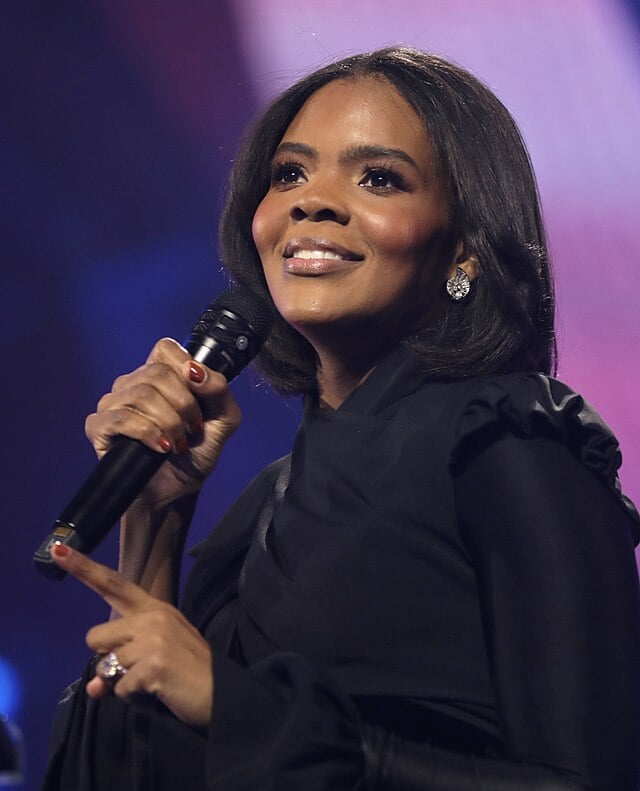
Owens’s approach often involves confronting rivals with bold claims and challenging assumptions, a strategy that has built her audience but also brought lawsuits and defamation allegations in other contexts. For example, she was sued by the French President’s first lady for repeated false claims about her identity and background.
Her criticisms of TPUSA’s direction since Charlie Kirk’s death have been polarizing. Some on the right see her as an independent voice calling out internal issues; others view her as sowing division and spreading conspiracy theories. That friction speaks to a larger tension on the American right over how movements should handle truth, grief, and public discourse after tragedy.
Meanwhile, Erika Kirk, thrust into a leadership role by circumstance, personal loss, and organizational history, represents continuity and institutional stewardship. Her efforts to adapt TPUSA after Charlie’s assassination have included public statements, media appearances, and attempts at private engagement with Owens that both sides described as “productive.”
Where Things Stand Now
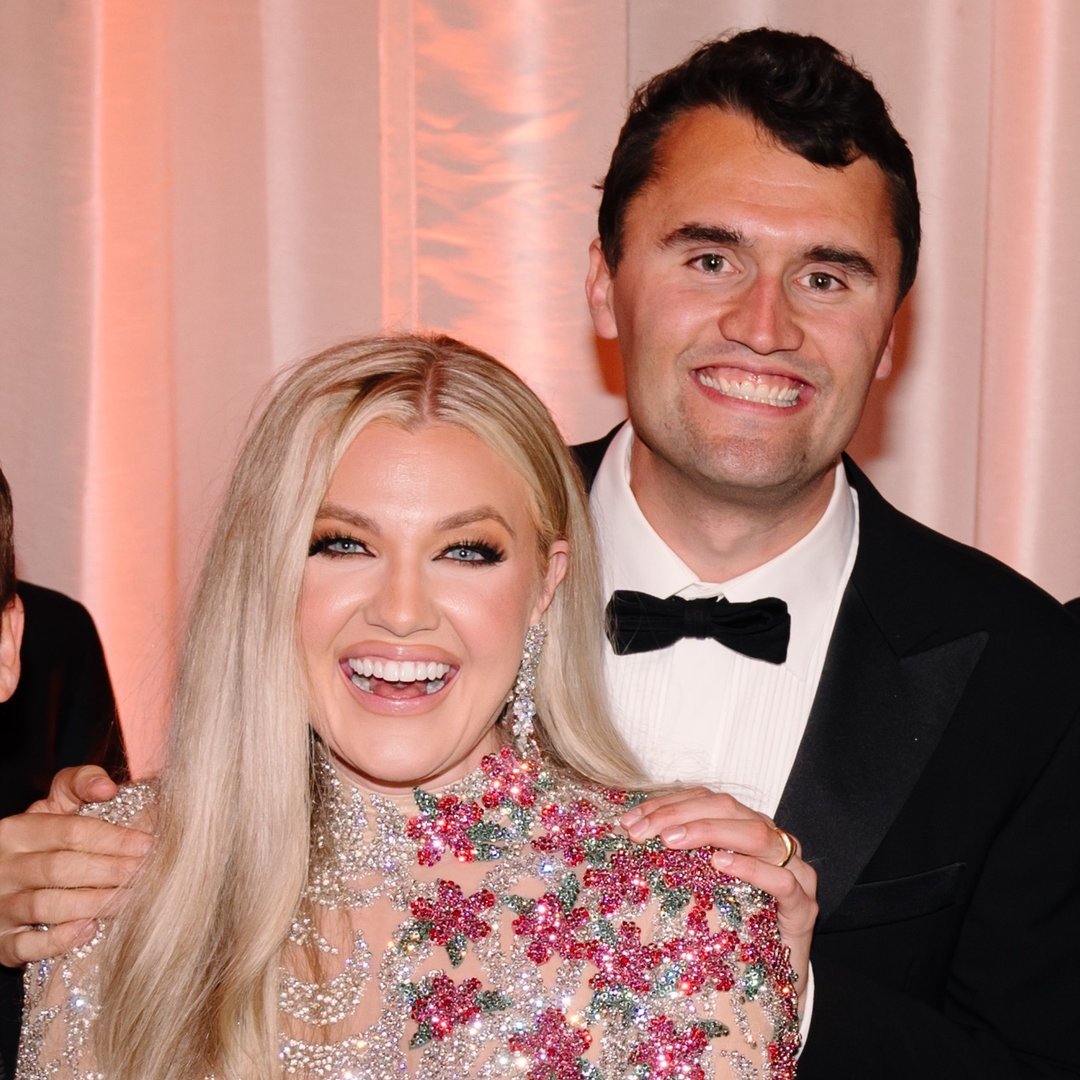
At the time of writing, The Charlie Kirk Show episodes are still available on some platforms, such as Rumble and TPUSA’s own site, but are not on Spotify, Apple Podcasts, or YouTube in full archive form, a circumstance verified by multiple listeners.
There is no official confirmation that Erika Kirk ordered their removal. Platform policies, distribution contracts, or technical reasons could be at play, and neither TPUSA nor the platforms themselves has put forward a detailed public explanation.
The debate continues online, with supporters of both Owens and Kirk taking sides, and at times engaging in heated discourse that mixes politics, grief, mistrust, and media strategy.
Candace Owens thrives on confronting orthodoxies and challenging powerful figures, no matter where they stand. That approach has won her audiences but also drawn lawsuits, backlash, and sometimes sharp rebuke from peers.
Erika Kirk’s leadership tenure, meanwhile, has been shaped by loss, public scrutiny, and a transition into a highly visible role under intense pressure.
No matter where one falls on the spectrum, this feud isn’t just about a missing show. It’s about the future of media influence, political identity, and how movements reconcile internal conflict while facing external battles.
And with both women still very much in the spotlight, this story is far from over.