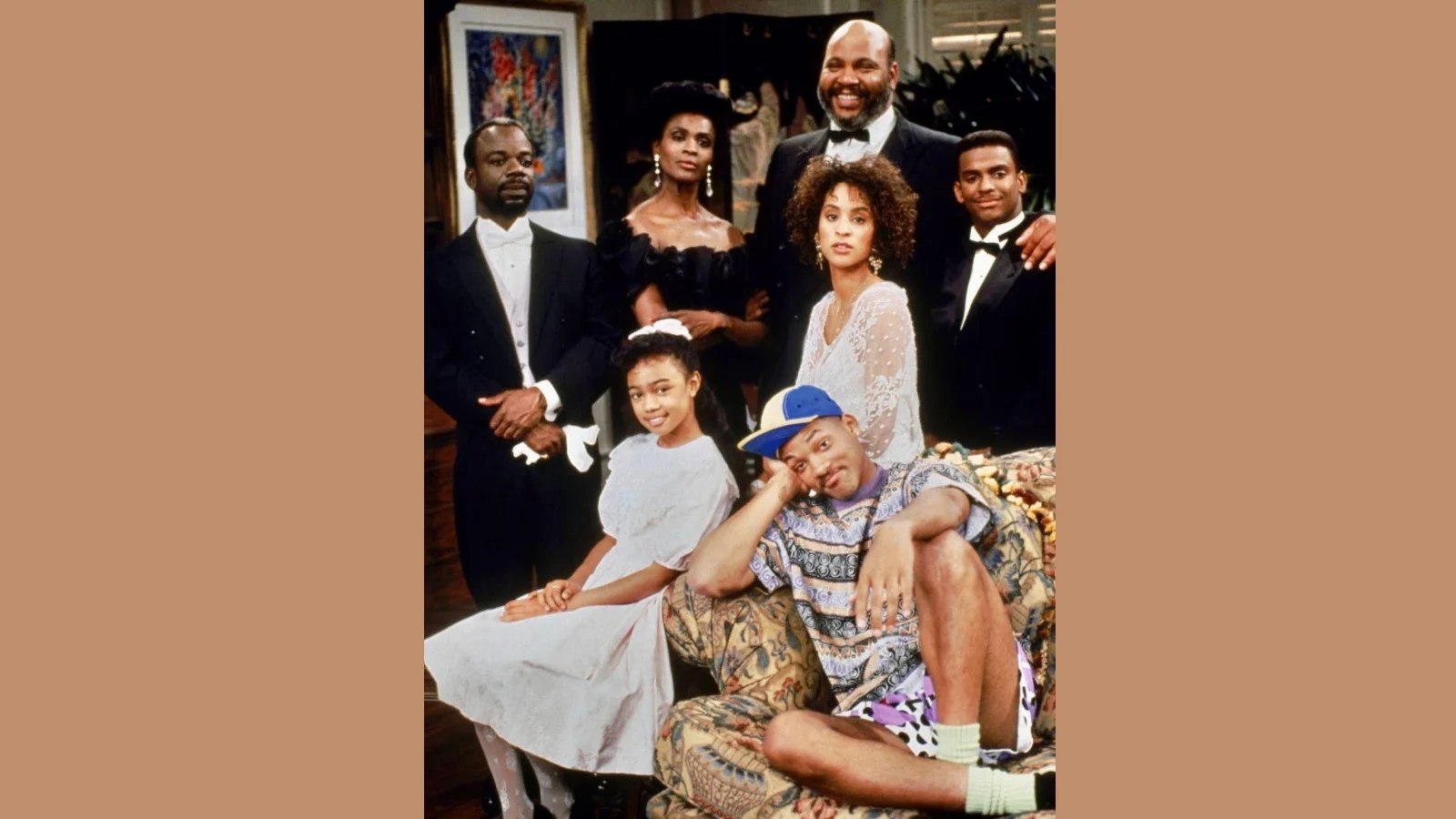
I was scrolling through a digital feed recently when I saw that familiar neon font asking which member of the Banks family matches my soul. It is a ritual for those of us who grew up between 1990 and 1996, a way to wrap ourselves in the warm blanket of a show that seemingly had it all.
But as I looked at the options, I realized the fantasy is starting to wear thin. We keep taking these quizzes to find our inner Will Smith, but the truth is that most of us have spent the last decade slowly turning into Geoffrey.
There is a specific kind of exhaustion that comes with being the smartest person in a room full of chaos. In the nineties, we saw Geoffrey as the cynical sidekick with the dry one-liners. Today, he feels like a mirror for every person sitting in a cubicle or a home office, trying to maintain their dignity while the world moves a little too fast.
So, why are we still obsessed with self-sorting into these roles decades later? Perhaps it is because these characters represent the archetypes we use to navigate our own complicated lives.
The data shows I am not alone in this obsession with the past. We are the millennials and Gen Xers who watched the show in real time, peaking at nearly 20 million weekly viewers during its prime. We want to believe we still have Will’s street smarts or Ashley’s quiet rebellion. In reality, we are just trying to survive the week without losing our minds.
The hidden cost of the Bel Air dream
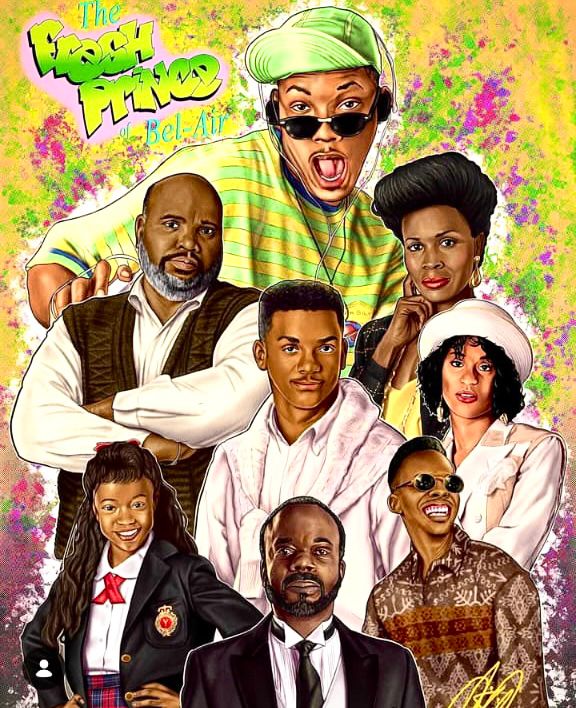
When we watch the reruns today, the mansion looks just as grand and the jokes hit just as hard. But the feel-good mythos we have built around the show glosses over a much more fractured production reality. We see the Carlton dance, but we forget that the show was actually a desperate escape for a young man in deep financial trouble.
Before the first episode even aired, Will Smith was facing a 2.8 million dollar bill from the IRS that forced him into the gig. For the first three years of the show, the government garnished 70 percent of his salary.
This tension between the shiny surface and the raw underbelly was present on the set every single day. James Avery was a powerhouse of discipline who acted as a real-world mentor to a young star who was still finding his way.
During the filming of the most emotional scenes, Avery would lean in and tell Will to “use me” and find the truth of the moment. It was a professional masterclass that Will eventually credited for his growth as an actor. However, it exposes the fact that the family bond we saw on screen was often forged through intense, high-pressure coaching.
Picking your 2026 character match
To truly understand which character matches your soul today, you have to look past the sitcom tropes. We are not kids in the schoolyard anymore. We are adults navigating a world that feels increasingly like a Bel Air mansion we did not quite earn. Here is the breakdown of the eight core personalities and how they translate to our lives in 2026.
Will: The Resilient Performer

You are the one who walks into a high-stakes meeting and convinces everyone you belong there. Like Will, you might be hiding a massive “IRS debt” or personal stress behind a bright smile and a quick joke. You are resourceful and adaptable, but you often wonder if people like the real you or just the character you play.
Carlton: The Burnout Overachiever
You follow every rule and hit every target, yet you still feel like you are being laughed at. You have a deep sense of justice and loyalty, but the pressure to maintain “Black excellence” or professional perfection is exhausting. You are the one who breaks into a dance just to feel a moment of pure, unscripted joy.
Uncle Phil: The Reluctant Gatekeeper

You are the “Big Guy” everyone leans on for a “verbal ass whoopin” or a wise word. You worked hard to escape your past and build a legacy, but now you struggle with the responsibility of protecting everyone else. You are a self-made success who secretly just wants a quiet night with a good sandwich and no drama.
Aunt Viv: The Uncompromising Force
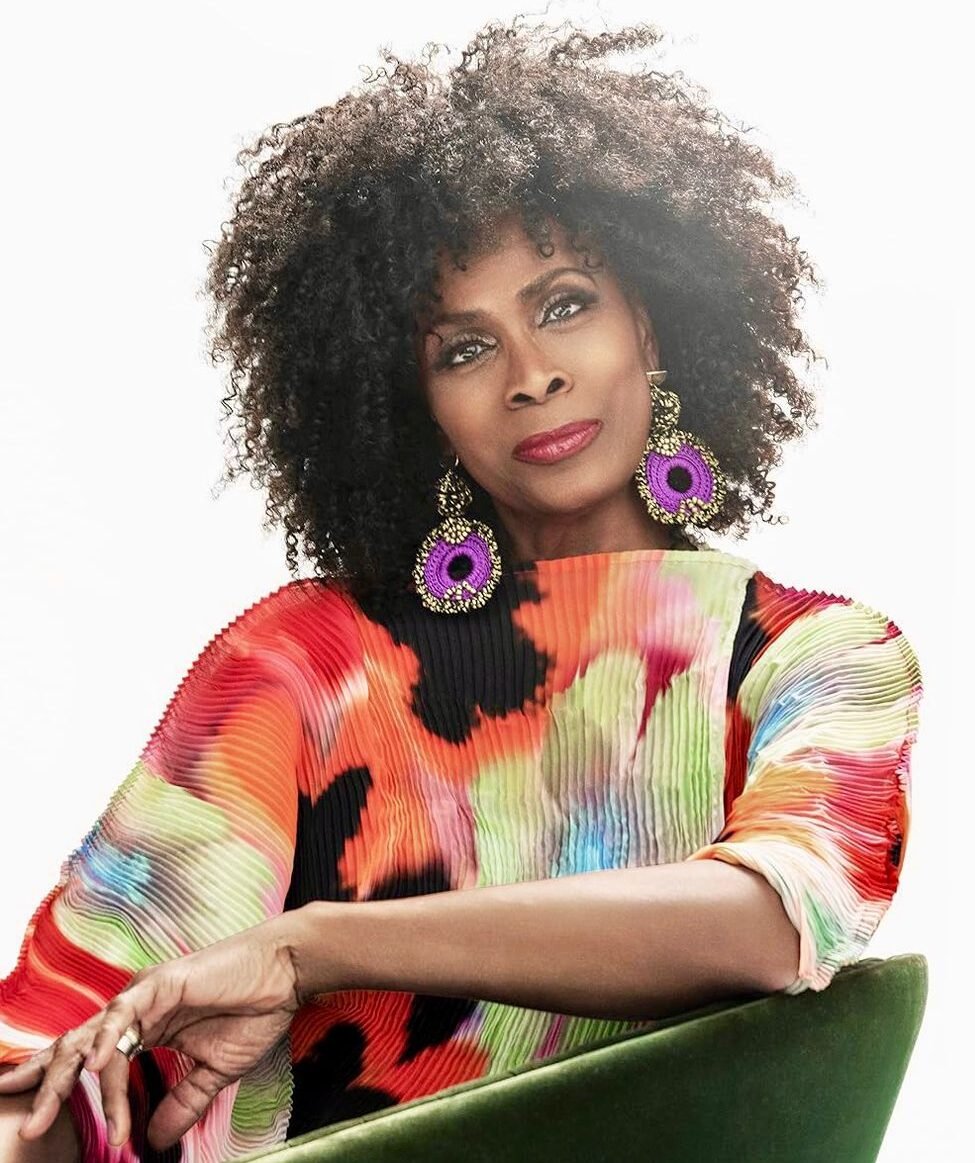
You are the intellectual heart of the room who refuses to lower your standards. Whether you are the “fiery activist” of the early years or the “peacemaker” later on, you are the one who demands respect for your expertise. You have likely been told you are “too much” for certain rooms, but you know your value.
Hilary: The Brand Architect
You were an influencer before social media existed. You understand that perception is reality and you have turned “vanity” into a viable career path. Underneath the shopping bags, you are actually a savvy professional who knows how to monetize a moment.
Ashley: The Quiet Rebel
You are the one breaking generational curses by choosing your own path. You started out following the family script but eventually realized that “private school” was not your speed. You are independent and daring, often being the first to call out the family for being out of touch.
Geoffrey: The Cynical Soul
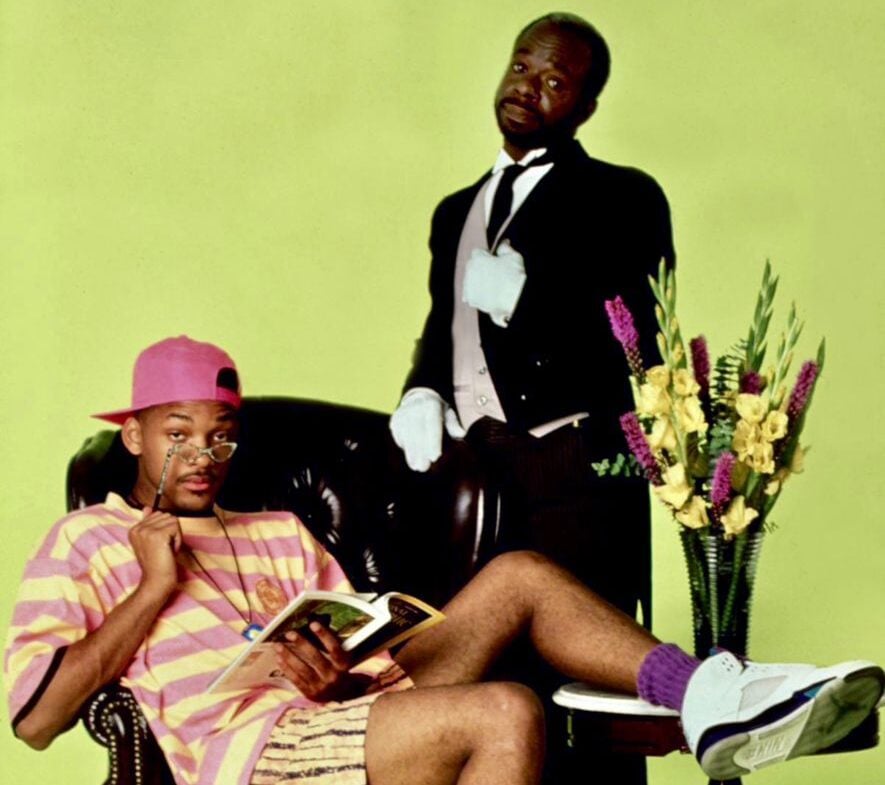
You are the Oxford graduate who ended up answering emails for people who are half as smart as you. You are dutiful and professional, but your internal monologue is a masterpiece of sarcastic commentary. You care deeply for your “family,” but you are counting the minutes until you can go back to your room and recharge.
Jazz: The Loyal Hustler
You are the one who gets “thrown out” of the room but keeps coming back with a new idea. You are bold, optimistic, and a bit of a risk taker. You might be the “lovable idiot” to some, but your instinct for opportunity and your refusal to quit make you the ultimate survivor.
The reality of the Bel Air reunion

Nothing shatters the illusion of the perfect sitcom family quite like a change in the family structure. When Janet Hubert left the show in 1993 following an intense contract dispute, the show lost its original intellectual center. She was offered a deal that would have significantly reduced her work and her pay, a move she ultimately turned down. The Aunt Viv we got in the later seasons was a different presence entirely, shifting the household’s energy.
We take these quizzes as a form of therapy for our repressed nineties nostalgia. We want to believe in the kid who made it big, rather than the reality of a young man fighting off debt while learning his craft from a stern mentor.
As we get older, we realize that the show was less about a “Fresh Prince” and more about the struggle to belong in a world that wants to put you in a box. I see myself in Geoffrey because he is the only one who seems to see through the performance of it all.
Ultimately, our obsession with these characters says more about our present than our past. Are we really looking for our childhood soul, or for a way to reconcile the people we used to be with the people we have become? In 2026, the sarcasm of a butler feels much more honest than the bravado of a prince.
We are all just trying to navigate our own versions of Bel Air while keeping our wit intact. Perhaps being a Geoffrey is not a failure of character, but a sign that we have finally learned how to tell the truth.