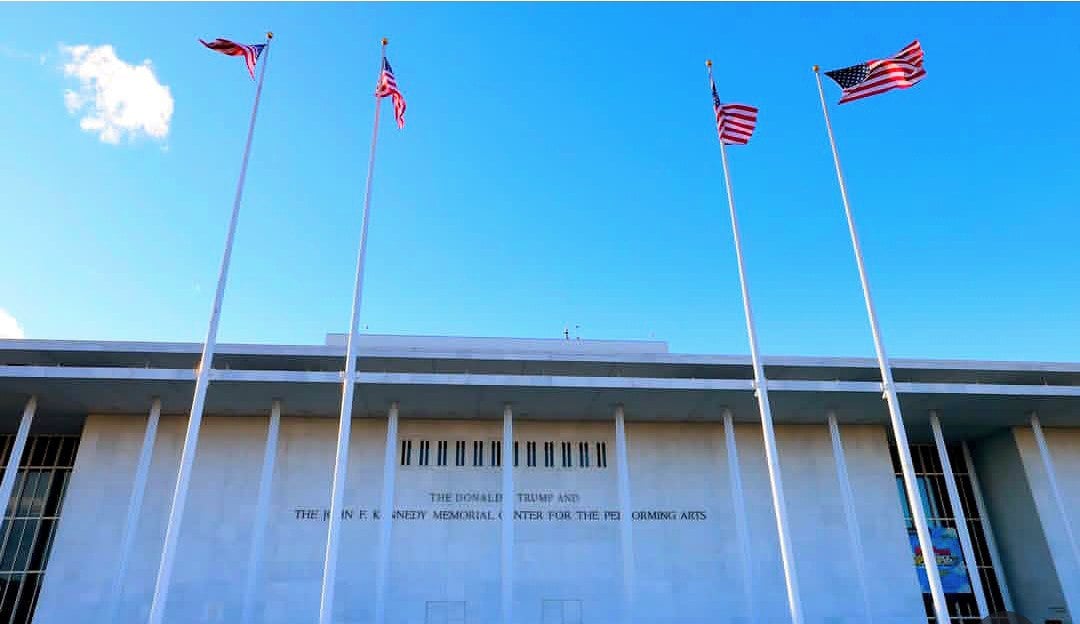
The white Carrara marble of the Kennedy Center has long stood as Washington D.C.’s secular cathedral, a “living memorial” to a fallen president and a rare neutral ground where art supposedly transcended the mud-slinging of the Potomac. But this week, the silence echoing through its grand halls has become the loudest performance of the season.
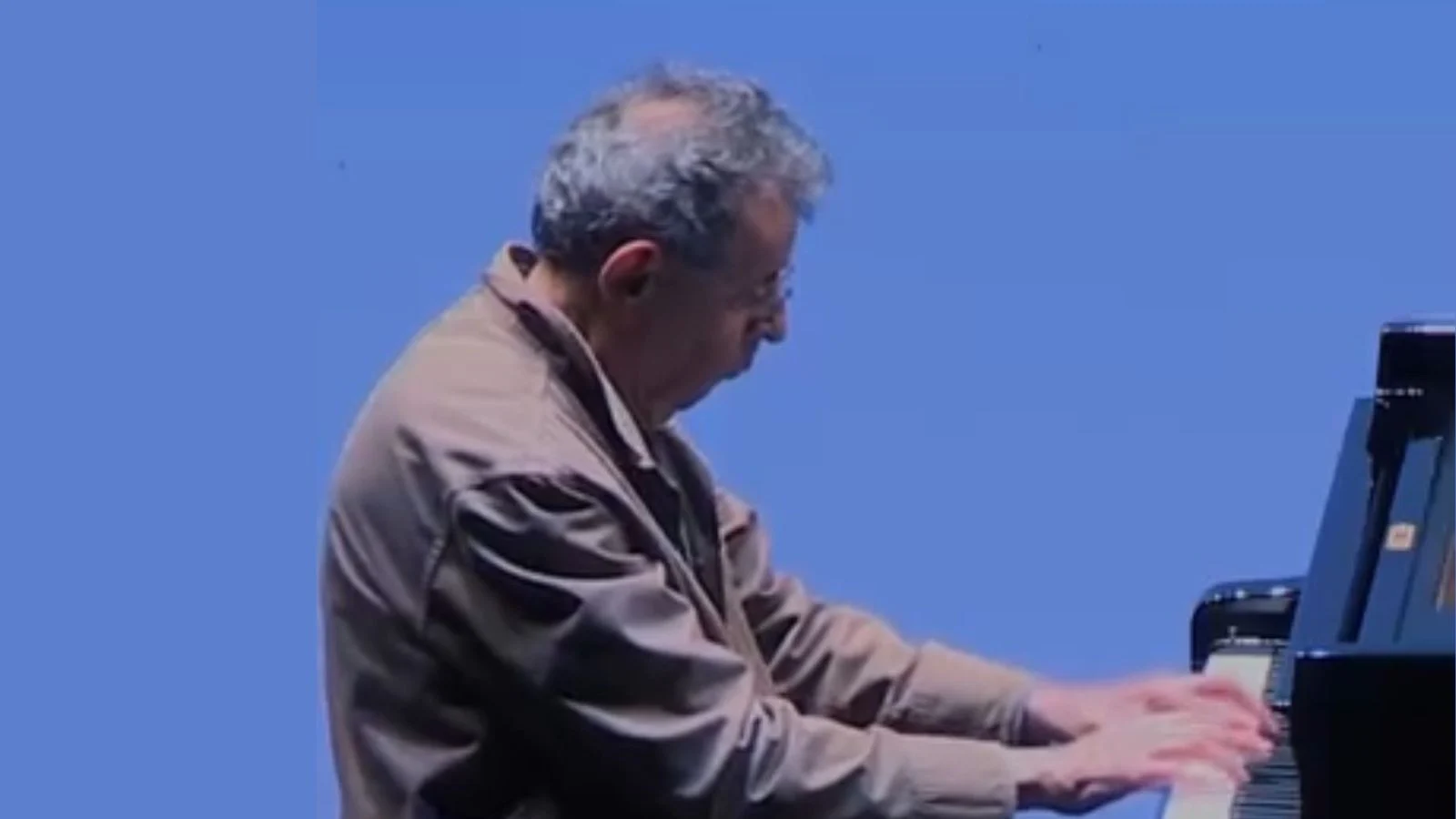
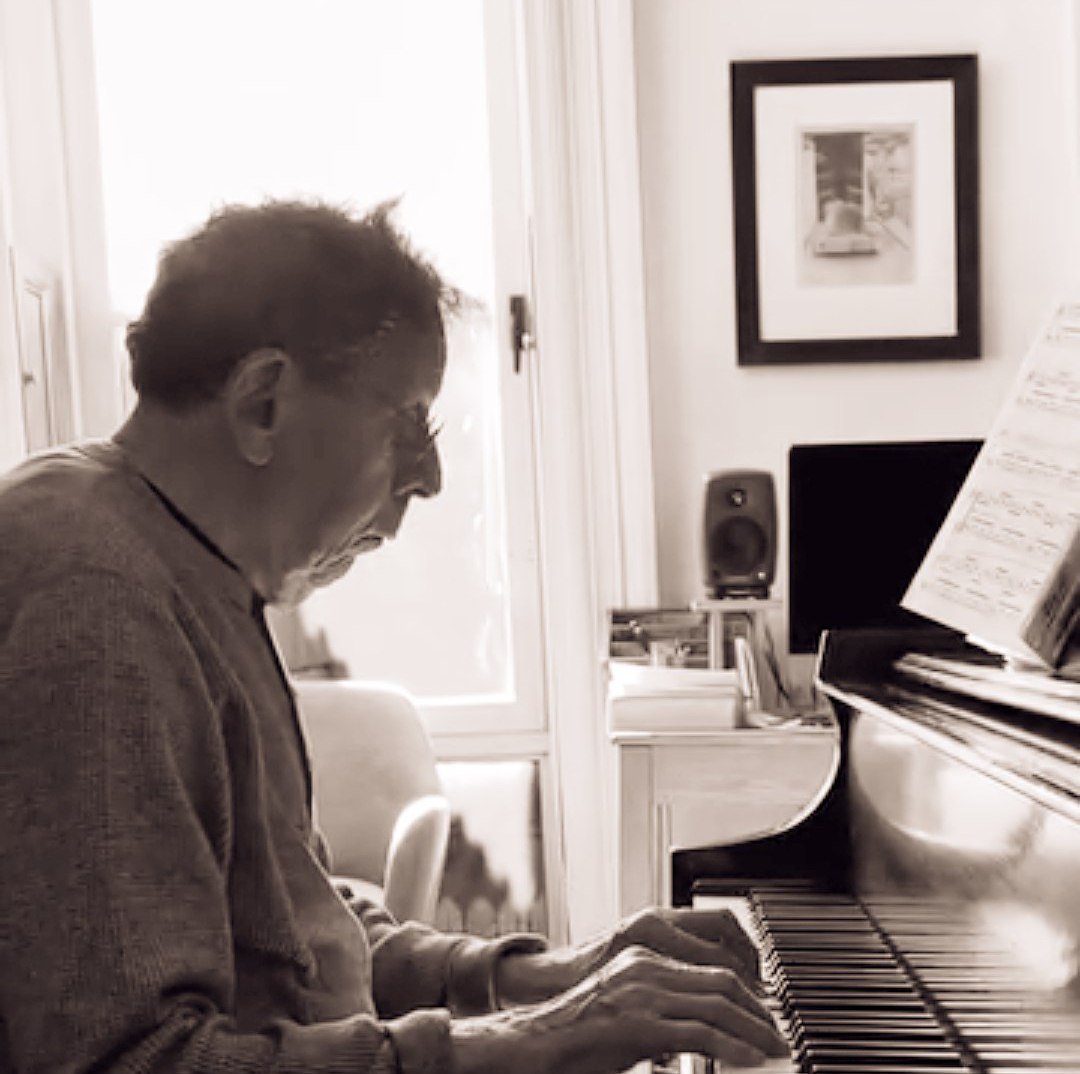
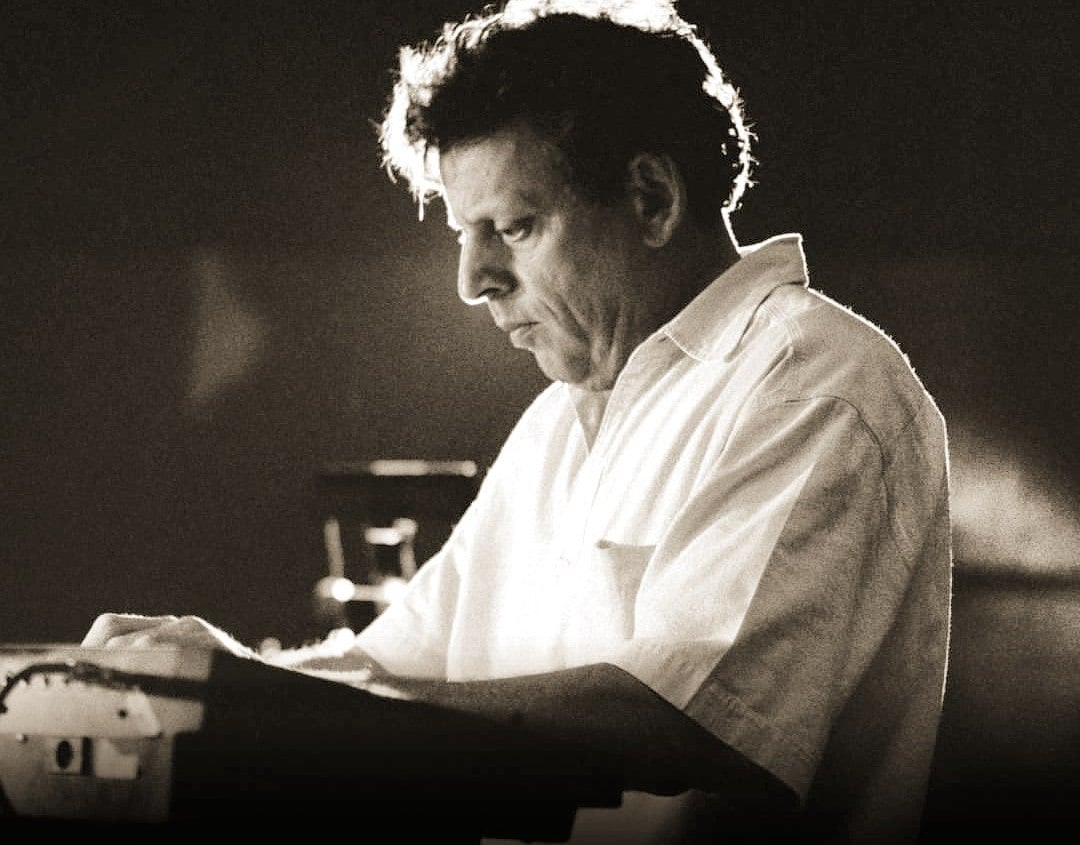
On Tuesday, three-time Oscar nominee and 2018 Kennedy Center Honoree Philip Glass pulled the plug on the world premiere of his Symphony No. 15, “Lincoln.” The work, commissioned years ago to celebrate the soul of the Union, will no longer debut at the venue Glass now pointedly refers to by its original, statutory name: the John F. Kennedy Center for the Performing Arts.
The 88-year-old composer didn’t mince words, citing a “direct conflict” between the message of his music and the “current leadership” of the institution. It is a stunning rebuke from one of the world’s most influential living composers, and it marks a tipping point for an institution currently undergoing a radical, and some say illegal, transformation.
The Lincoln Irony
To understand why Glass walked away, you have to look at what he was bringing to the stage. Symphony No. 15 was inspired by Abraham Lincoln’s 1838 Lyceum Address. In that speech, a 28-year-old Lincoln warned that the greatest threat to American democracy wasn’t a foreign power, but “internal decay”, the rise of “towering genius” leaders who would trample on the law and established institutions to satisfy their own ambition.
For Glass, the irony of premiering a musical warning against vanity and “mob law” at a venue that recently bolted “Donald J. Trump” onto its exterior in gold-toned lettering was clearly too much to stomach. “Symphony No. 15 is a portrait of Abraham Lincoln, and the values of the Kennedy Center today are in direct conflict with the message of the Symphony,” Glass shared in a statement.
The “values” Glass refers to are part of a sweeping overhaul led by President Trump, who appointed himself Chairman of the Board last year and installed allies like Richard Grenell as interim executive director. The administration’s mission is clear: a war on “woke culture” in the arts. But the fallout is beginning to look like an artistic exodus.
The Growing Defector List
Glass is far from the first to exit stage left, but his departure feels like the most significant blow to the center’s “prestige” status. He joins a rapidly growing list of heavyweights who have decided that the “Trump-Kennedy” brand is toxic:
Renée Fleming: The soprano withdrew from her May 2026 concerts with the National Symphony Orchestra (NSO). While the center officially cited a “scheduling conflict,” Fleming had resigned from her role as Artistic Advisor in early 2025, immediately following the leadership overhaul.
Lin-Manuel Miranda: Producers of Hamilton canceled their 2026 run at the center. Miranda stated that the institution was no longer the one he knew and that he could not participate under the new chairmanship.
Washington National Opera (WNO): In a historic move, the WNO announced its departure after 55 years. They cited a “financially challenging relationship” and a new business model imposed by the center, requiring productions to be fully funded in advance, which was incompatible with opera operations.
Stephen Schwartz: The Wicked composer, canceled his May 2026 gala, noting that appearing at the venue had become an “ideological statement.”
Why It Matters Beyond the Buzz
This isn’t just a story about a composer and a president. It’s a story about the fragility of national symbols. The Kennedy Center was designed to be a “temple of the arts” that belonged to every American, regardless of party.
When a figure as established as Philip Glass, a man who has spent decades working within these institutions, decides that the physical building no longer matches the spirit of the work, it signals a fundamental break. The National Symphony Orchestra, which commissioned the Lincoln piece back in 2022, is now left holding a program with a massive hole in it and a world-class work they may never be allowed to play in their own home.
As the legal battles over the signage head to court, the artistic battle is already being lost. The “Trump-Kennedy Center” may have the name on the door, but if the world’s greatest artists refuse to walk through it, what’s left is just an empty, marble shell. Glass’s “Lincoln” was meant to be the centerpiece of the “250 Years of Us” celebration. Instead, it has become a silent monument to just how divided “us” actually is.