It was supposed to be the “Golden” return. Last week, when Harry Styles dropped the shimmering, retro-tinted lead single “Aperture” from his upcoming fourth album, Kiss All the Time. Disco, Occasionally (due March 6), the internet was a rare enclave of pop-culture harmony. But that harmony curdled into a digital riot on Monday morning. As the first pre-sales for his “Together Together” tour went live, fans didn’t find the inclusive, “Treat People With Kindness” sanctuary they were promised. Instead, they found a four-figure paywall.
Across social media, the sticker shock was visceral. Screenshots of Ticketmaster queues showed “standard” seats, no VIP perks, no backstage handshake, just a plastic chair with a view, retailing for $1,179.40 at Madison Square Garden and upwards of £725 in London. For a generation of fans already battling a cost-of-living crisis, the message was clear: Styles’s “safe space” now has a luxury door policy.
The Residency Trap
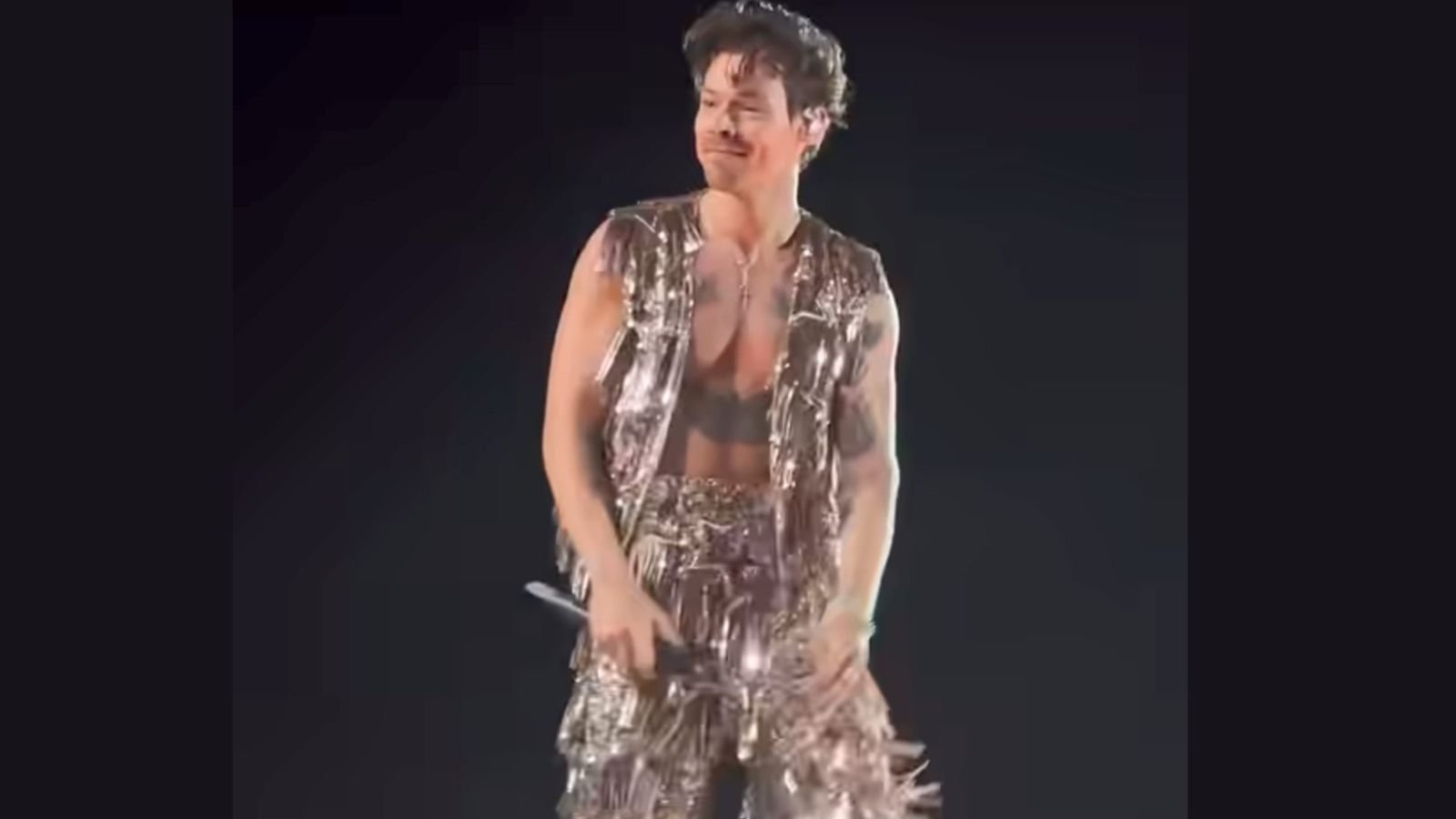
The backlash isn’t just about the numbers on the screen; it’s about the logistics of the “Together Together” model. Unlike the sprawling, multi-year Love on Tour, this new trek is a lean, residency-heavy run consisting of 58 shows across just seven global cities.
For North American fans, the “world tour” is effectively a 30-night stint at Madison Square Garden. This “destination concert” strategy is a win for the artist. Less travel, lower overhead, and a stationary stage, but it’s a financial nightmare for the audience. When you combine a $1,000 ticket with New York City hotel rates and a flight from the Midwest, a single night with Harry Styles becomes a $3,000 investment. As one viral tweet put it: “I expected a price increase; I did not anticipate a rent payment for a regular seated ticket.”
The Myth of Artist Powerlessness
Whenever ticket prices skyrocket, the industry playbook is predictable: blame the “Big Bad Wolf” of Ticketmaster and their “Official Platinum” dynamic pricing. The narrative suggests that artists are simply passengers on a runaway corporate train.
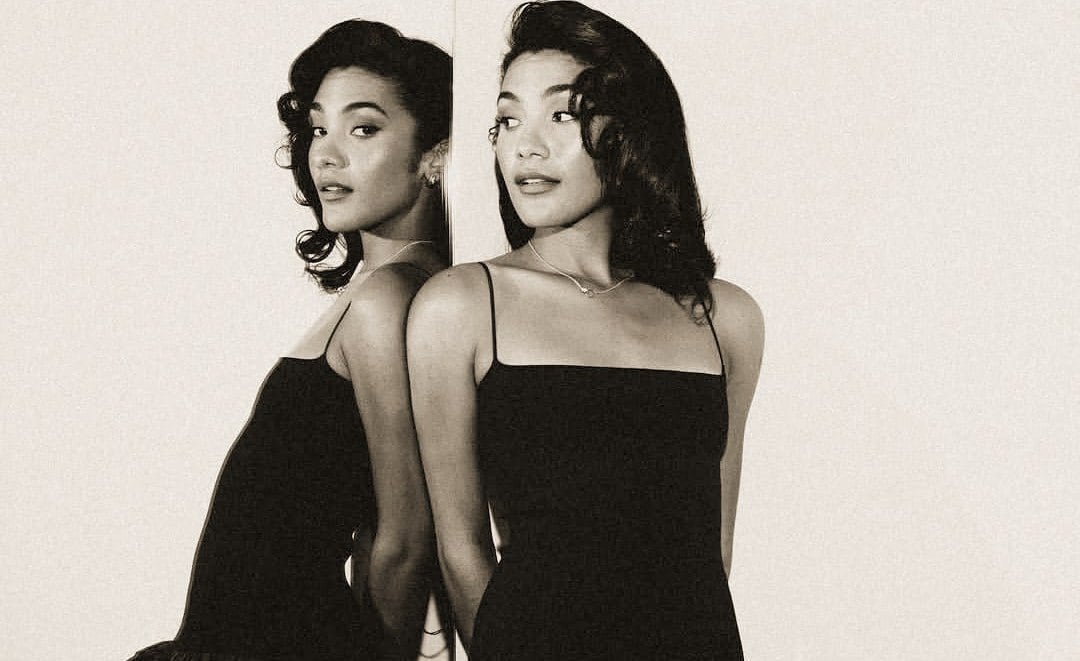
However, Styles’s fans aren’t buying the “helpless” act anymore, and that’s largely thanks to Olivia Dean. In November 2025, the rising British soul star became a folk hero when she publicly shamed Ticketmaster for the “vile” and “exploitative” resale prices on her The Art of Loving tour. Dean didn’t just tweet; she forced the ticketing giant to refund the difference to overcharged fans and cap all future resale at face value.
The contrast is damning. If an emerging artist like Dean can bring a multi-billion dollar monopoly to its knees, why is one of the most powerful men in music letting “Standard” tickets fluctuate based on “market value”? By opting into, rather than out of, dynamic pricing, Styles’s team has made a conscious choice to prioritize profit over parity.
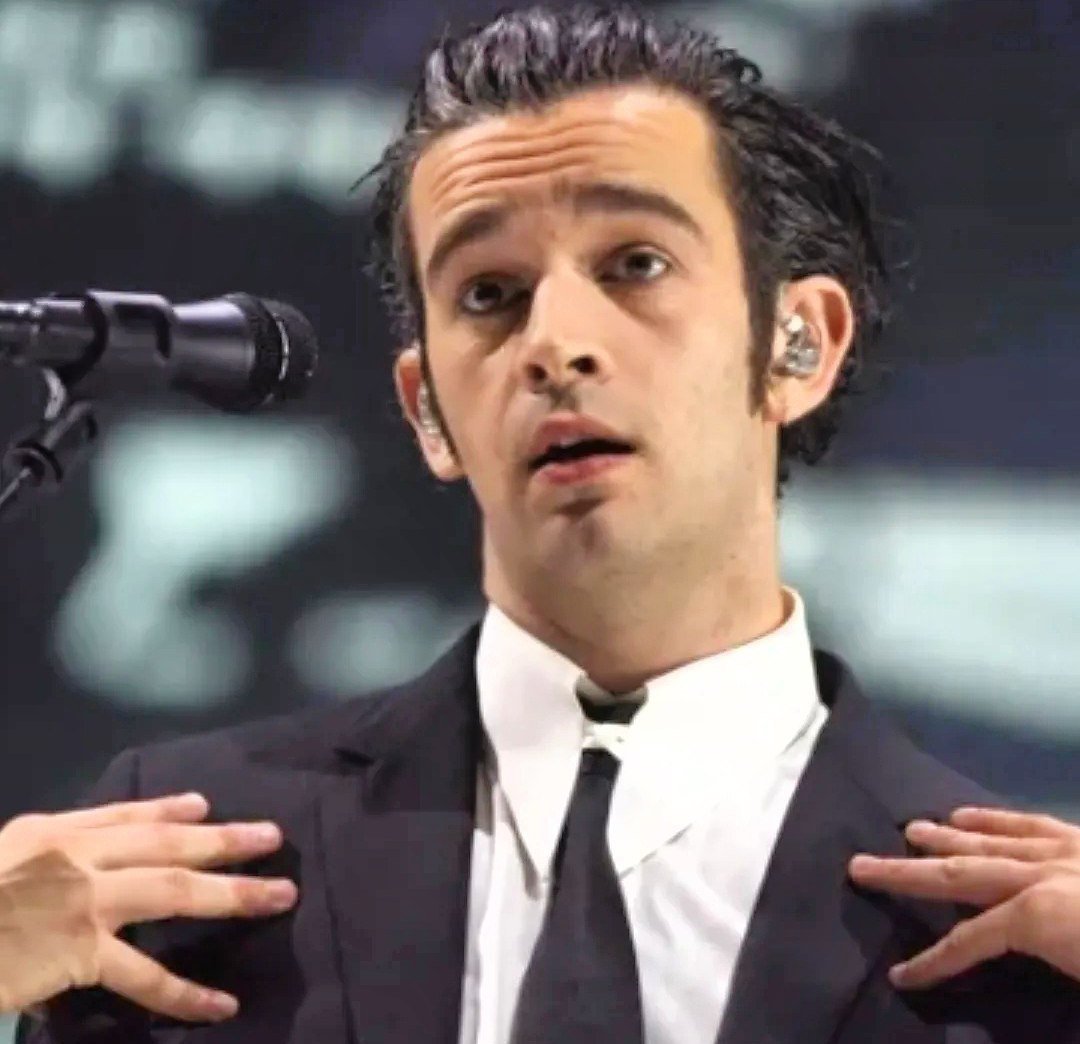
The discourse has also resurrected a 2023 clip of The 1975’s Matty Healy, who has long been a vocal critic of the “rich kids only” pipeline in live music. In an interview with Q with Tom Power, Healy argued that tickets should be capped at “40 to 50 quid” to ensure a “door policy” doesn’t exist for his band.
“I want kids to leave our shows and want to start bands,” Healy said in the resurfaced footage. “I don’t want there to be a door policy on who gets to see my band.”
In the world of Harry Styles, where the brand is built on the idea that “we belong together,” the current pricing feels like a betrayal of that very ethos. It suggests that the “Together” in Together Together only applies to those with a high enough credit limit.
Why It Matters Beyond the Buzz
This isn’t just a “fandom” problem; it’s a cultural tipping point. We are witnessing the final commercialization of the “fan experience.” For years, the industry has squeezed fans through merch drops, multiple vinyl variants, and VIP packages. But $1,200 for a standard seat at a residency-style tour feels like the final nail in the coffin for the “average” fan.
Styles has spent years cultivating an image of a man who sees his fans, who understands them, and who wants them to be happy. But as he prepares to drop an album titled Kiss All the Time. Disco, Occasionally, the only thing fans are feeling is the sting of a cold, corporate brush-off.
If live music is to remain a “sacred space,” as Olivia Dean called it, it cannot also be a gated community. Harry Styles may be asking his fans to “Treat People With Kindness,” but at these prices, it might be time for his audience to ask for a little kindness in return.