Hollywood loves a reinvention story, but Kristen Stewart isn’t chasing one; she’s claiming something she says should’ve been hers all along. After more than two decades in front of the camera, the Oscar-nominated actor has stepped behind it, and the shift has been… revealing. Suddenly, meetings feel different. Conversations hit deeper. People listen longer. And yes, Stewart noticed the change immediately.
While promoting her directorial debut, The Chronology of Water, Stewart made a blunt observation that set the internet buzzing: since becoming a director, people in the industry now “talk to me like I have a brain.” It wasn’t a joke. It was an indictment, and a telling snapshot of how Hollywood still measures authority.
From Child Actor to Global Phenomenon and Constantly Underrated
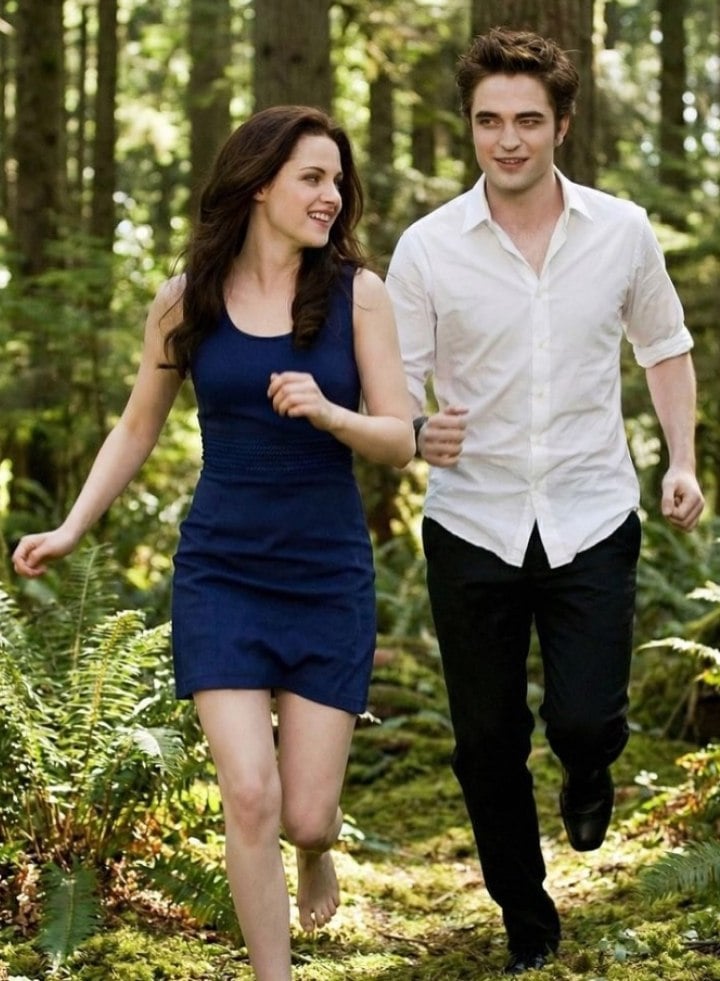
Stewart’s relationship with Hollywood has always been complicated. She grew up on sets in Los Angeles, the daughter of a stage manager and a script supervisor, and landed her breakout role at just 12 years old in Panic Room opposite Jodie Foster. By her late teens, she was the face of The Twilight Saga, a five-film franchise that grossed roughly $3.4 billion worldwide and turned her into one of the most recognizable actors on the planet.
But mass success came with a price. Stewart has long spoken about how Twilight flattened public perception of her talent, despite her later work with directors like Olivier Assayas (Clouds of Sils Maria), Pablo Larraín (Spencer), and David Cronenberg (Crimes of the Future). Critics evolved. The industry? Slower.
Even as she earned a César Award in France and an Academy Award nomination for Spencer, Stewart says she was still treated like an interpreter of ideas, not a generator of them.
What Changed When She Sat in the Director’s Chair
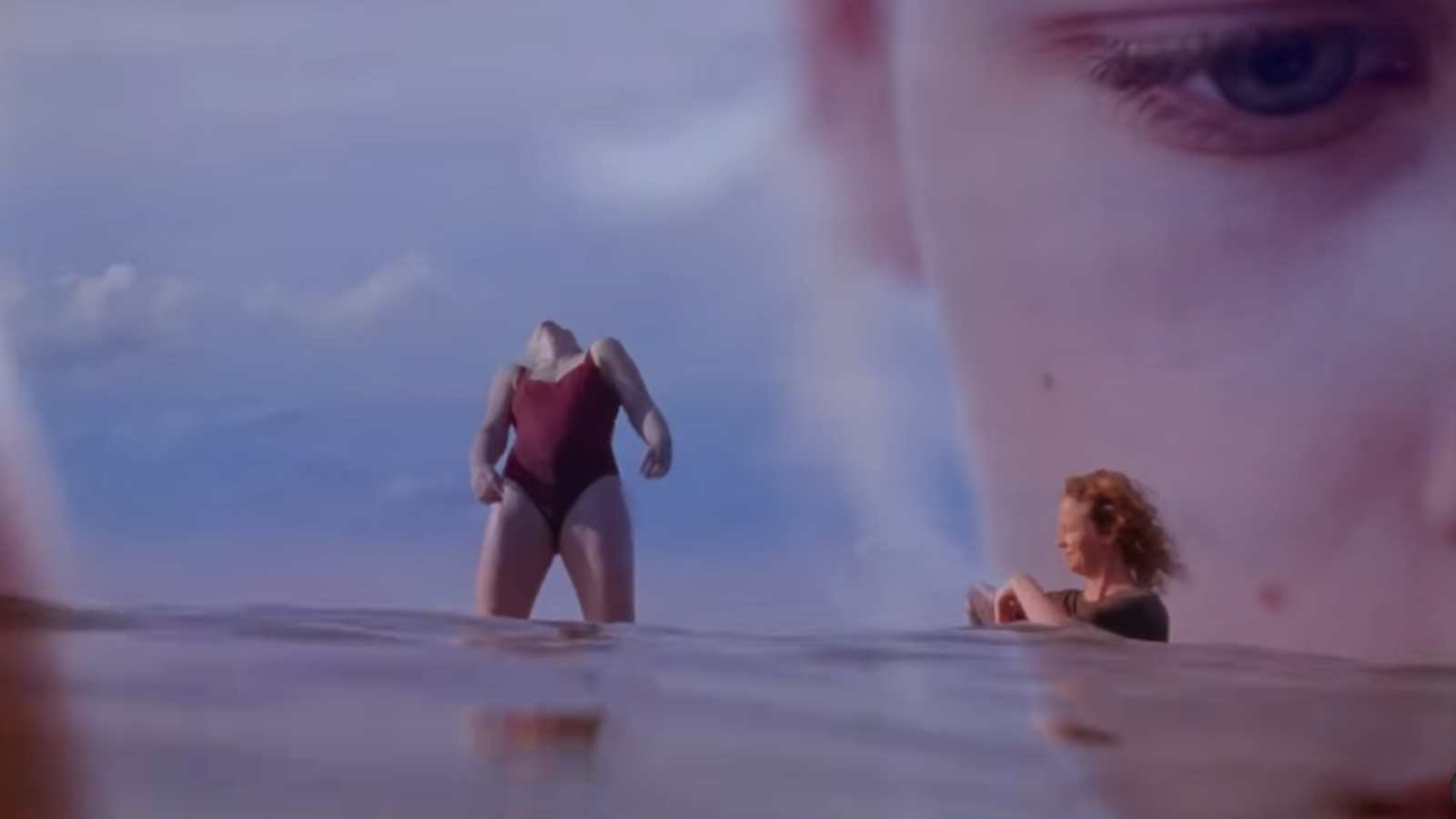
That’s where The Chronology of Water comes in. Adapted from Lidia Yuknavitch’s memoir, the film explores trauma, addiction, sexuality, and survival with an intensity that feels deeply personal. Stewart has said she carried the book with her for years, waiting until she felt ready, not just creatively, but emotionally, to direct it.
And when she did, something clicked. Meetings shifted. Conversations about craft became more collaborative. Stewart noticed people engaging with her ideas instead of talking around them. She wasn’t being “handled” anymore. The irony isn’t lost on her. She’s been dissecting scripts, shaping performances, and absorbing filmmaking language since childhood. The only real difference now? The title.
Hollywood’s Quiet Hierarchy Problem
Stewart’s comments struck a nerve because they echoed something many actresses have felt but rarely say out loud. In the interview with The Times, she pointed out how directors are mythologized as visionaries while actors, especially women, are often treated like movable pieces.
She’s careful not to frame it as bitterness. This isn’t a takedown; it’s a diagnosis. Stewart has emphasized that directing isn’t mystical or exclusive, and that the industry’s reverence for the role often becomes a gatekeeping mechanism. Once she stepped into that role, she says, people stopped assuming she needed ideas explained to her. That shift says more about the system than it does about her.
A Director Who Leads With Empathy, Not Ego
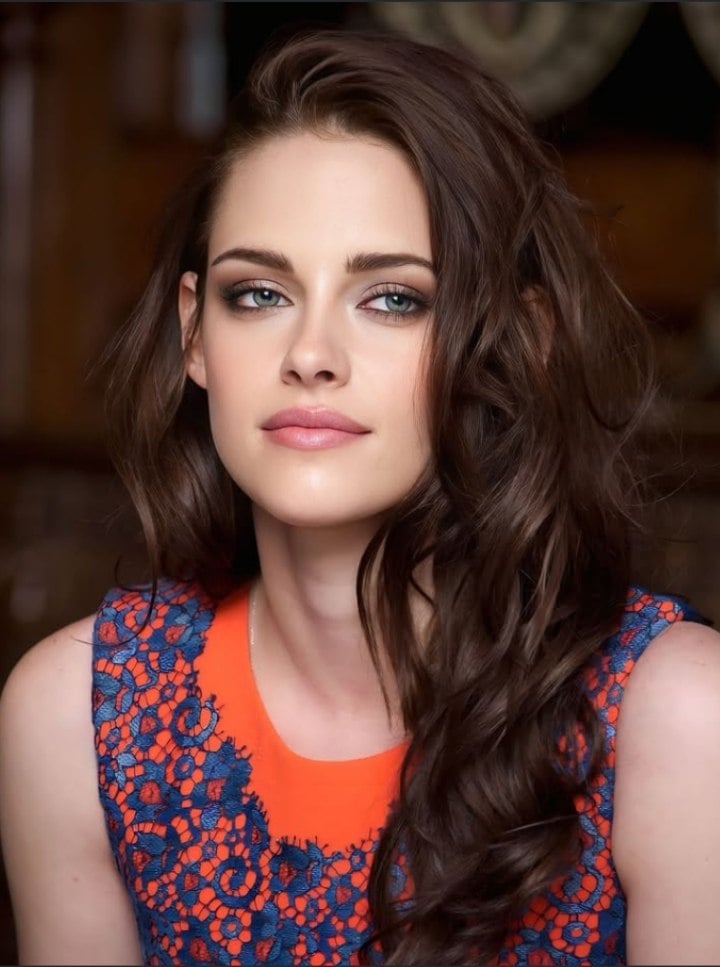
Those who’ve worked with Stewart behind the camera describe a director deeply attuned to performance. Chronology of Water star Imogen Poots has praised Stewart’s sensitivity and emotional clarity, noting that the set felt collaborative rather than hierarchical. Stewart herself has said she rejects the idea that directors need to dominate; she’s more interested in listening.
That perspective feels shaped by everything she’s lived through: early fame, public scrutiny, creative frustration, and the slow reclamation of her own narrative. She’s admitted she can count on one hand the films she feels fully proud of, not because she lacked talent, but because alignment is rare.
Why This Moment Matters
Stewart’s comments come at a particular moment in Hollywood, where conversations about gender inequity and representation behind the camera have been front and center. Despite progress in some areas, women directors and female-driven films still face an uphill battle for funding, attention, and respect. Stewart herself has pointed out that the number of major studio projects helmed by women is alarmingly low, a reality she described in stark terms as “statistically devastating.”

Stewart’s evolution isn’t just a personal milestone. It’s part of a broader conversation about power, authorship, and who gets to be taken seriously in Hollywood. Her experience underscores how often women have to change roles to be granted the respect they already earned.
This perspective intersects with her experience making The Chronology of Water, which wasn’t a guaranteed green light. She had to put other acting projects on hold and fight to secure support for a story that many male-dominated circles might have passed over. That hustle speaks volumes about why her comments resonate beyond just her own career and tap into a broader industry narrative.
Her shift from actor to director also aligns with a growing trend of performers, such as Olivia Wilde, Greta Gerwig, and Emerald Fennell, using behind-the-camera platforms to expand their creative imprint and challenge the status quo. Stewart has even hinted she’d love to direct a Twilight remake someday, proving she still sees value in revisiting her roots through a new lens.
And Stewart isn’t done. She’s made it clear that directing isn’t a detour, it’s a continuation. Acting will always be part of her identity, but now it’s paired with something else: authorship. If Hollywood is finally listening, it’s not because Kristen Stewart found her voice. It’s because she stopped asking for permission to use it.