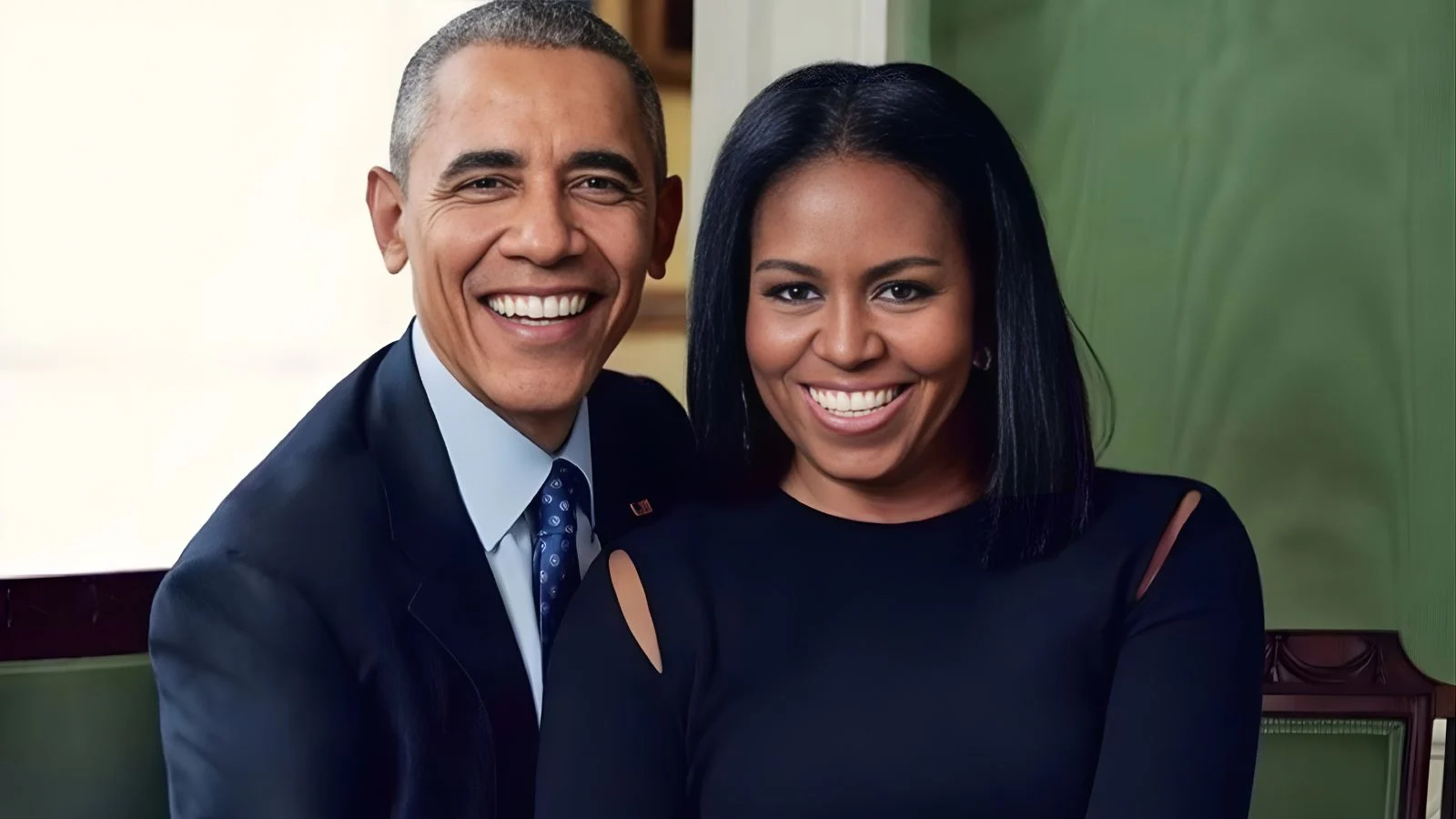
Michelle Obama just opened up in a way that has everyone talking. On the latest episode of the “Call Her Daddy” podcast, the former First Lady got real about how her own identity got overshadowed after her husband became president.
She said something simple but powerful: her impressive career, her education, her leadership roles all seemed to disappear the moment people started calling her “Barack Obama’s wife.”
The clip has been viewed millions of times, and social media is flooded with reactions ranging from support to surprise to straight-up memes.
The Moment That Started It All
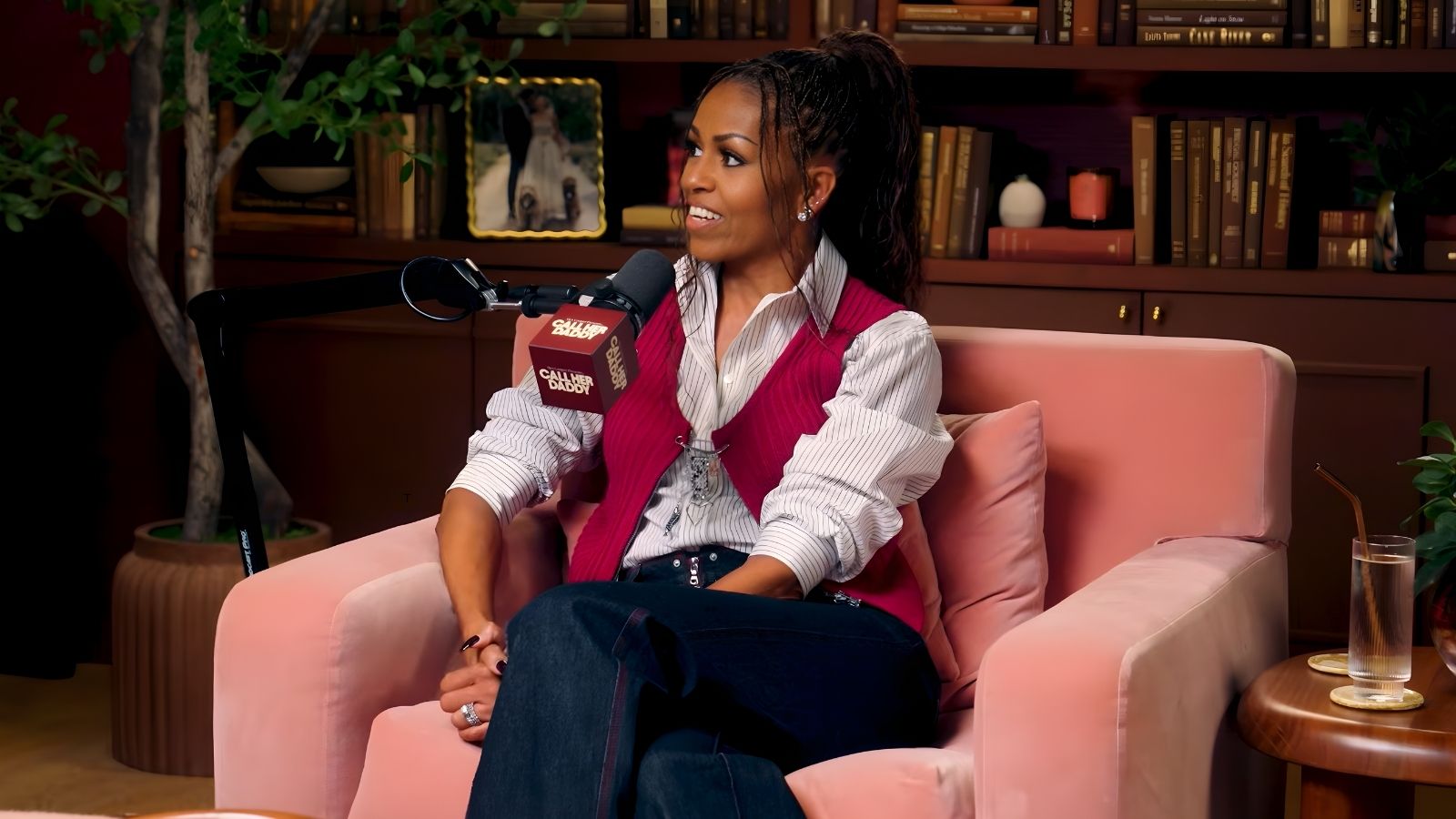
During the interview, Michelle described how her life changed when Barack ran for president. Before the White House, she had built a strong career on her own.
She graduated from Princeton and Harvard Law School. She worked as a lawyer, served as an assistant to the mayor of Chicago, ran a nonprofit focused on public service, held a senior role at the University of Chicago Hospitals, and later became a dean of students.
Those accomplishments mattered to her. But once Barack’s campaign took off, the public narrative shifted.
“I was like, ‘Oh, you guys, all of that just disappeared in the course of this whole election, and you now see me as just Barack Obama’s wife’”
She went on to explain that the focus shifted away from her work to her clothes, arms, and shoes. The conversation struck a chord because it wasn’t just about her.
She pointed out that many women experience this kind of identity shift when their partner’s spotlight grows brighter than theirs.
Michelle Obama complains about people only seeing her as “Barack Obama’s wife” and judging her fashion.
— Oli London (@OliLondonTV) January 21, 2026
The podcast dropped on January 21, 2026, and within hours, the soundbite was everywhere. People shared the clip on X, TikTok, and Instagram, with captions like “This hit different” and “She said what we’ve all been thinking.”
Why This Conversation Feels So Relatable
Michelle’s words landed at a time when conversations about gender, recognition, and double standards are louder than ever.
Women in high-profile relationships often face the same question: Are you seen for who you are, or for who you’re connected to?
The former First Lady didn’t shy away from that reality. She admitted it frustrated her, not because she doesn’t love and support her husband, but because she had worked hard to be recognized for her own merits.
Fans quickly connected her experience to their own lives. Comments poured in from women who run businesses, raise families, or lead teams but still get introduced as “so-and-so’s wife.”
Others praised Michelle for speaking openly about something many people feel but rarely say out loud.
The Bigger Picture Beyond the Headlines
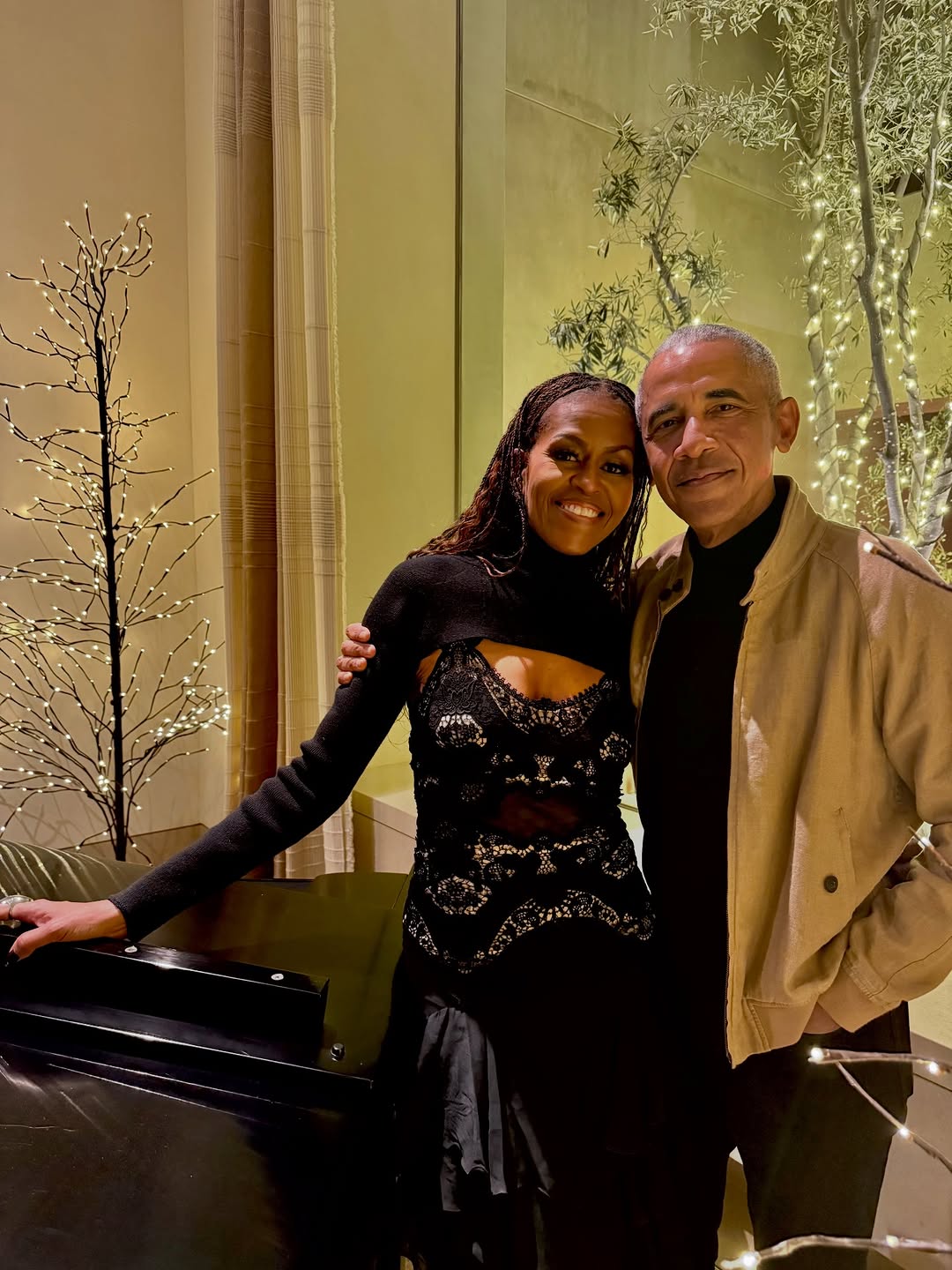
This isn’t the first time Michelle has spoken about the challenges of being a public figure while staying true to herself.
She’s written about it in her bestselling memoir Becoming and discussed it in earlier interviews. What feels new is the rawness of this particular moment.
She didn’t sugarcoat the disappointment. She laid it out plainly and then connected it to a larger truth about how society often reduces women to their relationships.
The timing also matters. Michelle has been in the spotlight again lately, with new projects and public appearances.
Some observers think this candid conversation is part of her ongoing effort to reclaim her narrative and remind people that her story is bigger than being the wife of a former president.
Reactions online show how divided and passionate people are about the topic. Supporters thanked her for highlighting an issue that affects countless women.
Critics argued she shouldn’t complain when she’s had so many privileges. Others simply enjoyed watching a high-profile figure be honest instead of polished.
What We’re Left Thinking About
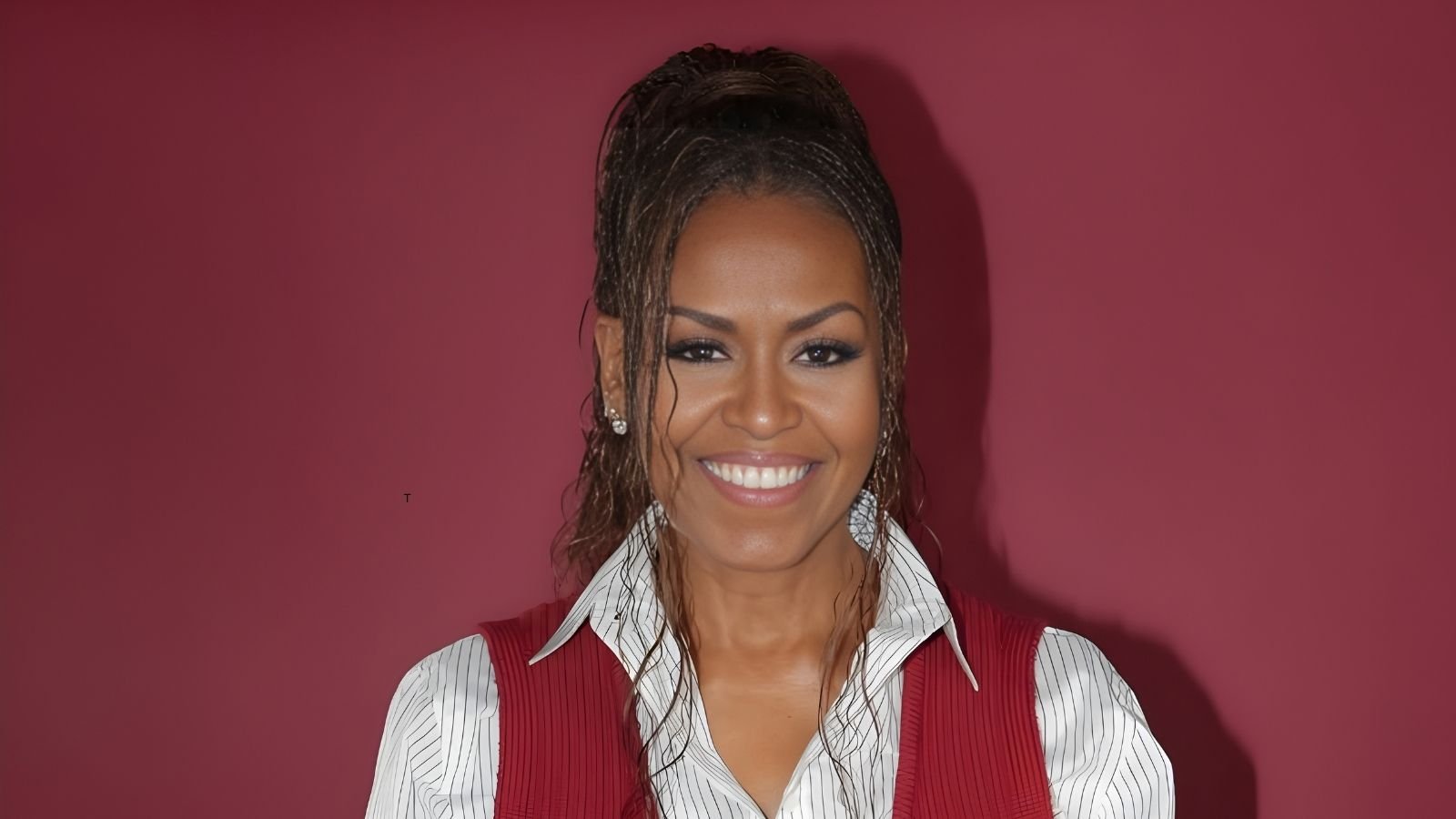
Michelle Obama’s words remind us that even the most accomplished people can feel unseen. Her story isn’t just about fame or politics.
It’s about identity, respect, and the quiet ways women’s contributions can get pushed to the background.
The internet will keep talking, sharing, and memeing this moment for days. But the real conversation might last longer: how do we make sure women are seen for everything they bring to the table, not just who they stand next to?
One thing is clear: when Michelle speaks, people listen. And right now, they’re still listening.
What do you think?