Every family has a version of this argument.
An adult child wants space. Parents hear abandonment. A partner becomes the scapegoat. Someone says “boundaries.” Someone else hears “disrespect.” If you’re a normal person, this plays out in tense dinners and awkward holidays. If you’re famous, the same fight comes with an audience that thinks it owns the narrative.
Brooklyn Beckham just turned a long-rumored rift into a direct, public statement. In a series of Instagram posts, he alleged his parents, David and Victoria Beckham, prioritized “branding” over family and tried to sabotage his marriage to Nicola Peltz Beckham. He said he does not want reconciliation. David responded indirectly, framing it as the reality of raising kids in the social media era.
A post shared by Pop Base on X included screenshots and quotes, it said, that came from Brooklyn Beckham’s statement.
Brooklyn Beckham speaks out against parents Victoria and David Beckham:
“I do not want to reconcile with my family. I’m not being controlled, I’m standing up for myself for the first time in my life. […] My parents have been trying endlessly to ruin my relationship since before… pic.twitter.com/FBFlK1d4fu
— Pop Base (@PopBase) January 19, 2026
Fame turns conflict into content, and content has incentives. The internet rewards escalation over repair, certainty over nuance. Here are six families dealing with painfully normal conflicts, except fame makes those conflicts louder and healing harder.
Brooklyn Beckham and the Beckhams: The Boundary That Became a Headline
In a regular family, a boundary is something you say to the people involved. In a famous family, it’s something you say to a crowd because the crowd is already in the room.
Brooklyn’s posts read like an exit interview. Once it’s public, everyone becomes a juror. Even silence gets interpreted as guilt. Responding looks like PR. Here’s the sick twist: Every move gets interpreted as a strategy.
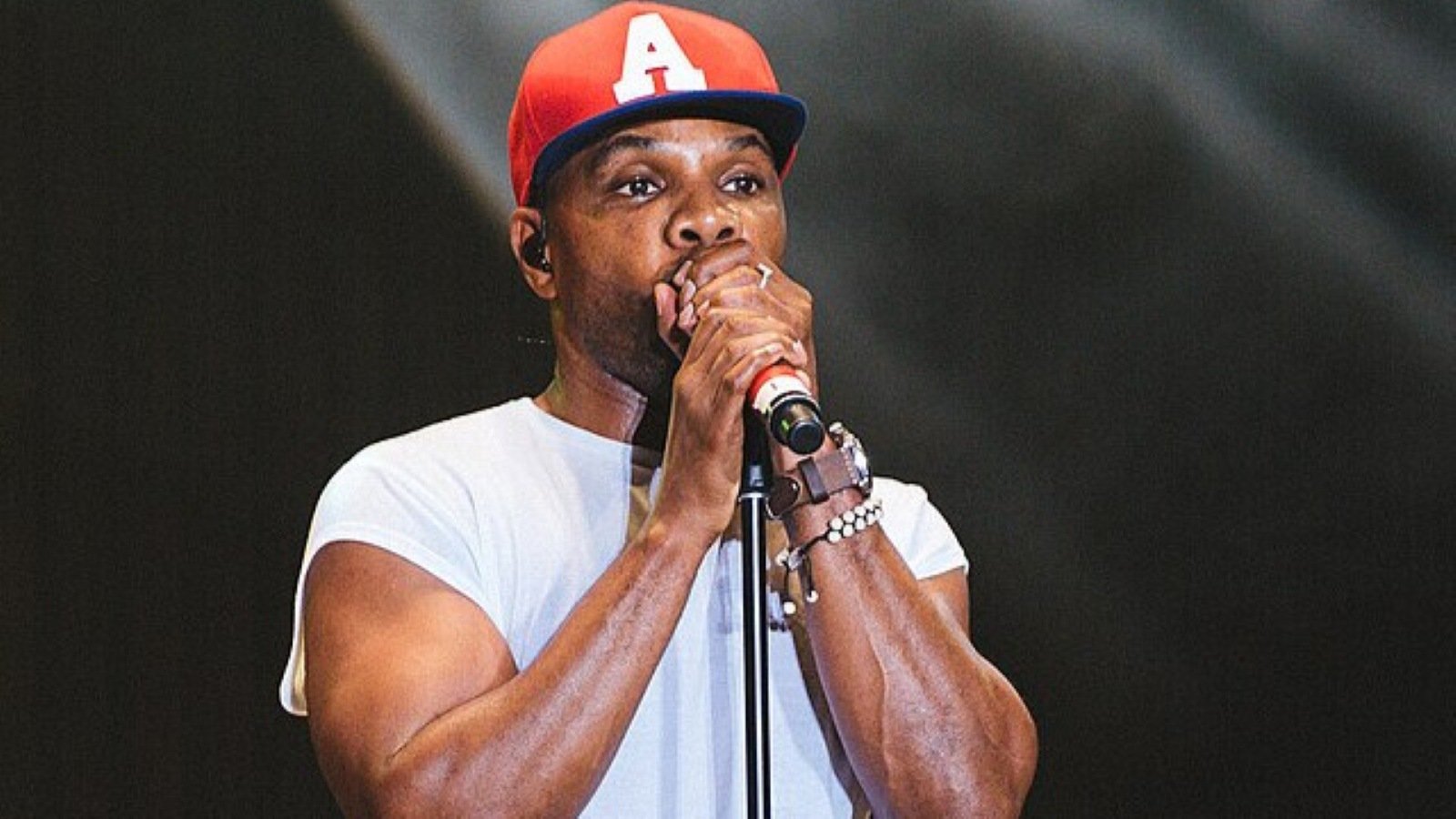
Kirk Franklin and His Son Kerrion: When Your Worst Moment Becomes a Permanent Clip
In 2021, Kerrion posted audio of an argument. Kirk Franklin apologized publicly, acknowledging he lost his temper. Franklin later said he called the family therapist during the conversation, but that part was not included in the recording.
Most families have had at least one argument they’d pay to erase. Fame doesn’t just expose conflict. It freezes it. It makes one bad minute easier to replay than a long, boring year of trying to do better.
Britney Spears and Her Sons: Privacy Became the Goal
Teen distance is normal. Kids pull away, test boundaries, choose the calmer house. Britney’s sons did this under a microscope. Federline’s attorney previously described the move as a chance to get away from the “L.A. microscope.” Later reports described her reuniting with her son Jayden during a visit to Los Angeles.
The fame isn’t the feud. It’s that privacy itself became the goal of the relationship. Repair looks unexciting. Quiet visits, fewer updates, less theater. Which is exactly why it tends to work.

Cher and Son Elijah Blue Allman: When “Help” Becomes a Court Case
A parent believes they’re protecting an adult child. The adult child experiences it as a form of control. Both might be sincere. Both might be scared.
Cher pursued a conservatorship over her adult son, then dropped the effort after a private settlement, according to Rolling Stone. The celebrity version becomes a headline, then a morality play, then a comment-section referendum on motives. Families rarely heal when someone has to win. Fame makes every concession look like defeat.
Miley Cyrus and Billy Ray Cyrus: The Argument Underneath Is About Being Seen
A lot of parent-child rifts aren’t about one fight. They’re about meaning. What does success represent? What did you need as a kid that you’re still trying to get from the world?
Miley has explained that she and her father have “wildly different” relationships to fame and success, saying that audience love can be an emotional healing for him in a way it never could for her.
Parents and kids often resent each other’s survival strategies. One person chases validation because they didn’t have it. The other is numb to validation because it arrived too early. Fame doesn’t invent that tension. It amplifies it, and it permits strangers to pick which person “deserves” love more.
Drew Barrymore and Her Mother: Vulnerability Becomes Dangerous
Drew Barrymore has long described her relationship with her mother as complicated. In 2023, she publicly pushed back after outlets twisted her words into the claim she wanted her mother dead, which she emphatically denied.
That’s the fame tax on healing. Vulnerability becomes risky when reframed for clicks. You say something nuanced about pain. The internet turns it into a headline that sounds cruel. For regular people, healing is hard because feelings are hard. For famous people, healing is hard because the media environment punishes precision and rewards outrage.

The Audience Changes Everything
Brooklyn Beckham’s post is trending because the Beckhams live in a place where family life and public image are impossible to separate.
But strip away the fame, and these are the conflicts happening everywhere: independence, control, protectiveness, resentment. The difference is the audience. Fame removes the privacy that makes repair possible, then adds incentives that reward the loudest interpretation. Most families get to be boring while they heal. Celebrity families have to fight for that boredom like it’s a luxury.
So what’s the real villain here? The family feud, or the fact that millions of strangers get to vote on it in public?