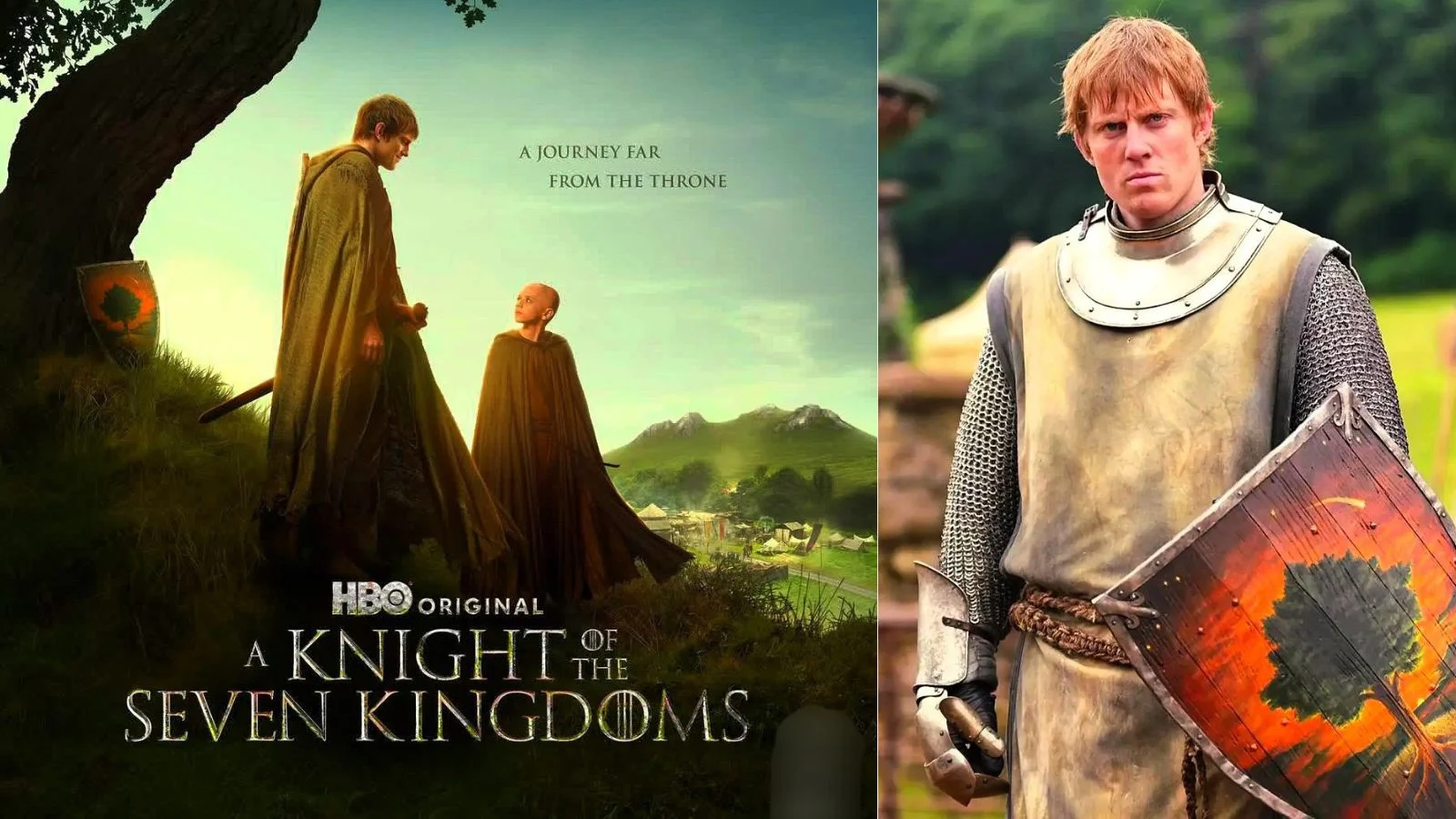
The wait for a return to Westeros is officially over, but this time, the Iron Throne feels a little further away, and the stakes feel refreshingly human. HBO’s latest expansion of George R.R. Martin’s universe, A Knight of the Seven Kingdoms, premiered on Sunday, January 18, 2026, at 10 p.m. ET, and the critical consensus is already painting a picture of a show that is as much a departure from its predecessors as it is a love letter to them.
While Game of Thrones was defined by its sprawling political machinations and House of the Dragon by its fiery dynastic tragedy, this new series, based on the beloved Dunk and Egg novellas, is being hailed as a “buddy-comedy” in knight’s armor. Early reviews have landed the show a strong 87% Fresh rating on Rotten Tomatoes, signaling that fans might finally have a “comfort watch” set in the often-brutal world of the Seven Kingdoms.
The New Tone of Westeros: Critics Weigh In
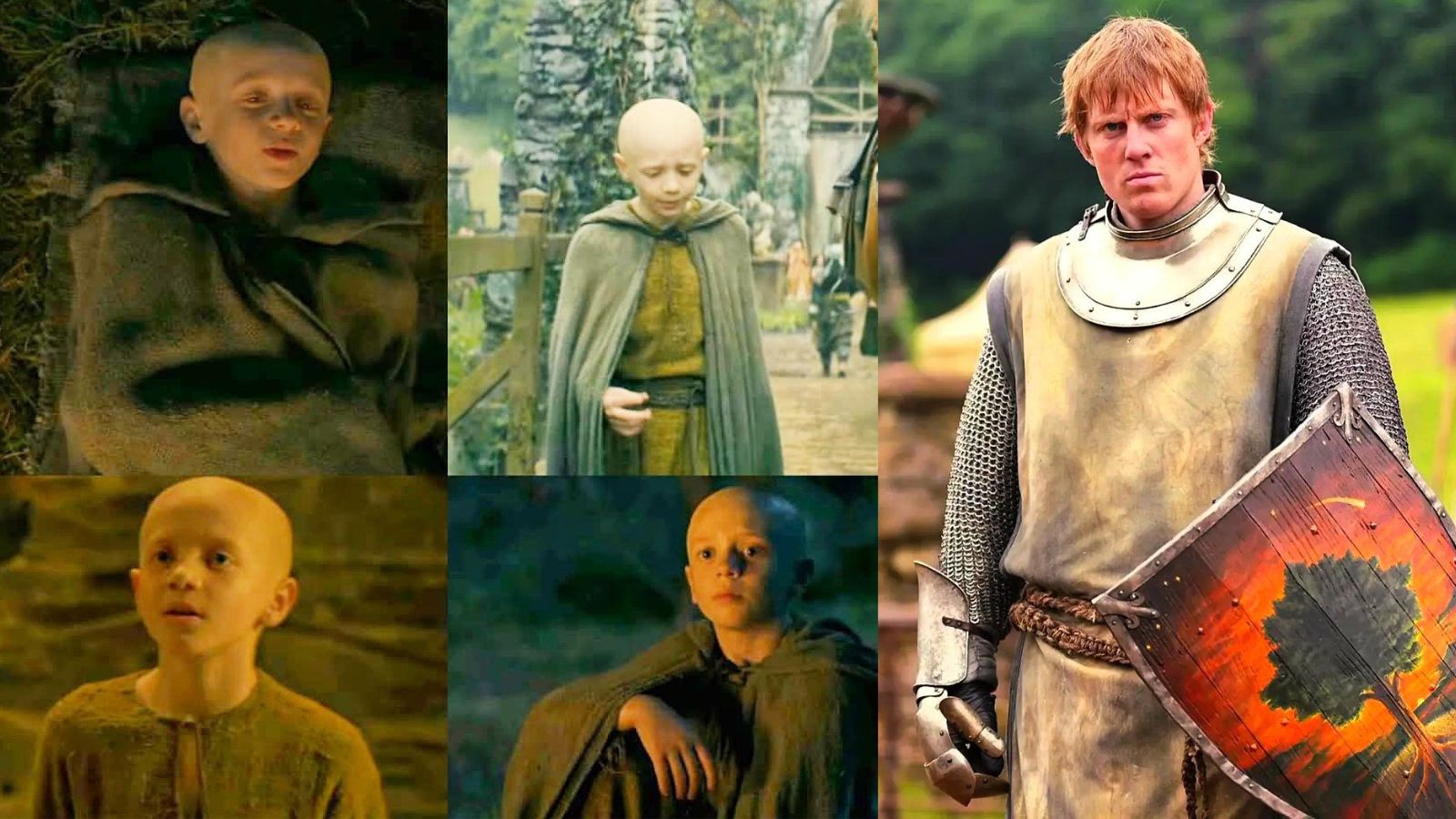
The premiere episode, titled “The Hedge Knight,” wasted no time establishing that while the geography is familiar, the vibe is entirely new. Set roughly a century before the events of Game of Thrones, the series follows the “unlikely and incomparable” duo of Ser Duncan the Tall (played by former rugby player Peter Claffey) and his diminutive squire, Egg (Dexter Sol Ansell).
According to the official synopsis, the show captures an age when the Targaryen line still holds the Iron Throne and the memory of the last dragon has not yet passed from living memory. However, instead of soaring over King’s Landing, we are on the ground with two travelers who have more heart than gold.
Critics have been quick to note this shift. Slate describes it as “a Game of Thrones show that everyone can enjoy, even those who flinched from its predecessors,” suggesting that the series might bridge the gap for viewers who found the original show’s violence or complexity off-putting. Vulture echoed this sentiment, noting that while the world is still “horrible and filled with terror,” there are “pockets of it that can make you smile with wonder.” This sense of wonder is a hallmark of the source material, which focuses more on the ideals of chivalry than the reality of backstabbing.
However, not everyone is sold on the smaller scale. TIME offered a more reserved take, writing that the show “may be too benign to hate, but in its debut season, it is also too meager to love.” Similarly, USA Today gave the premiere a biting 1.5 out of 4 stars, calling it “torturous and drab” and dismissing it as a “pointless exercise in franchise-extension.” These outliers suggest that for some, the lack of “high-stakes” dragon warfare might leave a void that charming character work can’t quite fill.
On the other end of the spectrum, the BBC awarded the series a perfect 5 out of 5 stars, claiming that “one could fall in love with this show without knowing a single thing about the Game of Thrones universe.” This accessibility seems to be the show’s greatest strength. IndieWire, which gave the series a B+, noted that “it’s the little things, and in A Knight of the Seven Kingdoms, the little things add up nicely.” From the detailed production of the Ashford Meadow tourney to the visceral, grounded combat, the series appears to be winning over those who appreciate a more intimate look at George R.R. Martin’s world.
As Variety points out, the show is “savvy IP management,” serving as a bridge between the larger flagship series while keeping the brand alive with a “more regular fix.” With a confirmed Season 2 already in the works and production reportedly having completed several days of filming before the premiere even aired, HBO is clearly betting big on this smaller story. Whether you’re here for Targaryen lore or just a good old-fashioned adventure, the early word is that A Knight of the Seven Kingdoms is a journey worth taking.
From Page to Screen: The Historical Weight of Dunk and Egg
To understand why A Knight of the Seven Kingdoms feels so different, one must look back at the literary history of its source material. George R.R. Martin first introduced Ser Duncan the Tall and Egg in the 1998 novella The Hedge Knight, published in the Legends anthology. It was a stark contrast to the epic scope of A Song of Ice and Fire, focusing on a single, low-born knight trying to navigate a world that values birthright over bravery. Over the years, Martin followed this with The Sworn Sword (2003) and The Mystery Knight (2010), eventually collecting them into the 2015 book A Knight of the Seven Kingdoms.
The decision to adapt these stories now is no accident. Following the divisive end of Game of Thrones and the heavy, tragedy-laden atmosphere of House of the Dragon, there has been a palpable desire for a “palate cleanser” within the fandom. A Knight of the Seven Kingdoms fills that void by stripping away the dragons and the grand prophecies, at least on the surface, to focus on a “Master and Apprentice” dynamic.
Showrunner Ira Parker, who previously worked on House of the Dragon, has been vocal about maintaining this smaller scope. In recent interviews, Parker emphasized that while the show is set during the Targaryen dynasty’s height, it is fundamentally about the “smallfolk” and the reality of life for those not sitting on a throne.
The casting of Peter Claffey as Dunk and Dexter Sol Ansell as Egg has been a major point of discussion during the press tour. Claffey, standing at nearly 6’5”, brings the physical presence required for a character nicknamed “the Tall,” but critics have highlighted his ability to portray Dunk’s “charming and good-natured naiveté.”
This is vital because, as the novellas suggest, Dunk is often out of his depth. Unlike the polished knights of the Red Keep, Dunk is a hedge knight, essentially a freelancer with a horse and a sword but no master. This “everyman” perspective allows the audience to see Westeros through the eyes of someone who actually has to pay for their meals and worry about the quality of their armor.
The historical context of the show also provides a unique look at the Targaryens. This isn’t the era of Daenerys’s struggle or the civil war of the Dance of the Dragons. Instead, it is a period of relative peace under King Daeron II, though the shadows of the first Blackfyre Rebellion still loom large. This allows for a different kind of tension, one rooted in class and the crumbling facade of chivalry.
As The New York Post noted, the show “deftly balances several different tones,” blending “juvenile humor” with an “interesting stew” of unlikely ingredients. This tonal dexterity is what separates the Dunk and Egg stories from the main series, offering a world that feels “more like our own,” as Vulture put it, where humor can exist alongside the ever-present threat of violence.
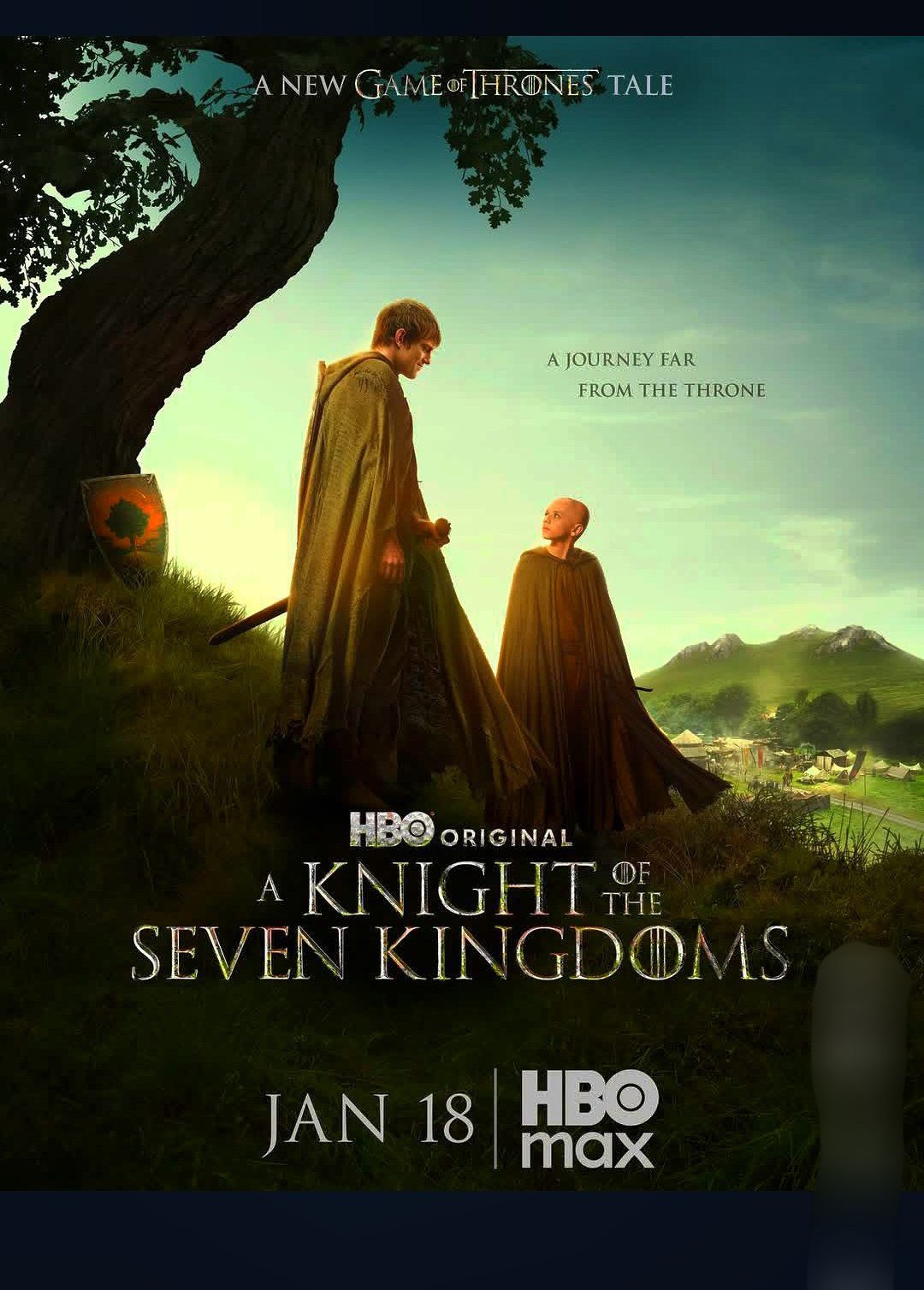
The inclusion of Targaryen royalty like Prince Baelor “Breakspear” (Bertie Carvel) and the “monstrous” Aerion Targaryen (Finn Bennett) ensures that the series stays connected to the broader lore. However, by centering the story on a hedge knight and a squire, the show avoids the “royal fatigue” that some fans felt during the palace-locked drama of House of the Dragon. It is this balance of “savvy IP management” and genuine storytelling that has led to such positive early reviews.
The show isn’t just a prequel; it’s a re-contextualization of what Westeros can be when the cameras move away from the throne and into the muddy fields of a local tournament.