There is a difference between a movement and a movie audience.
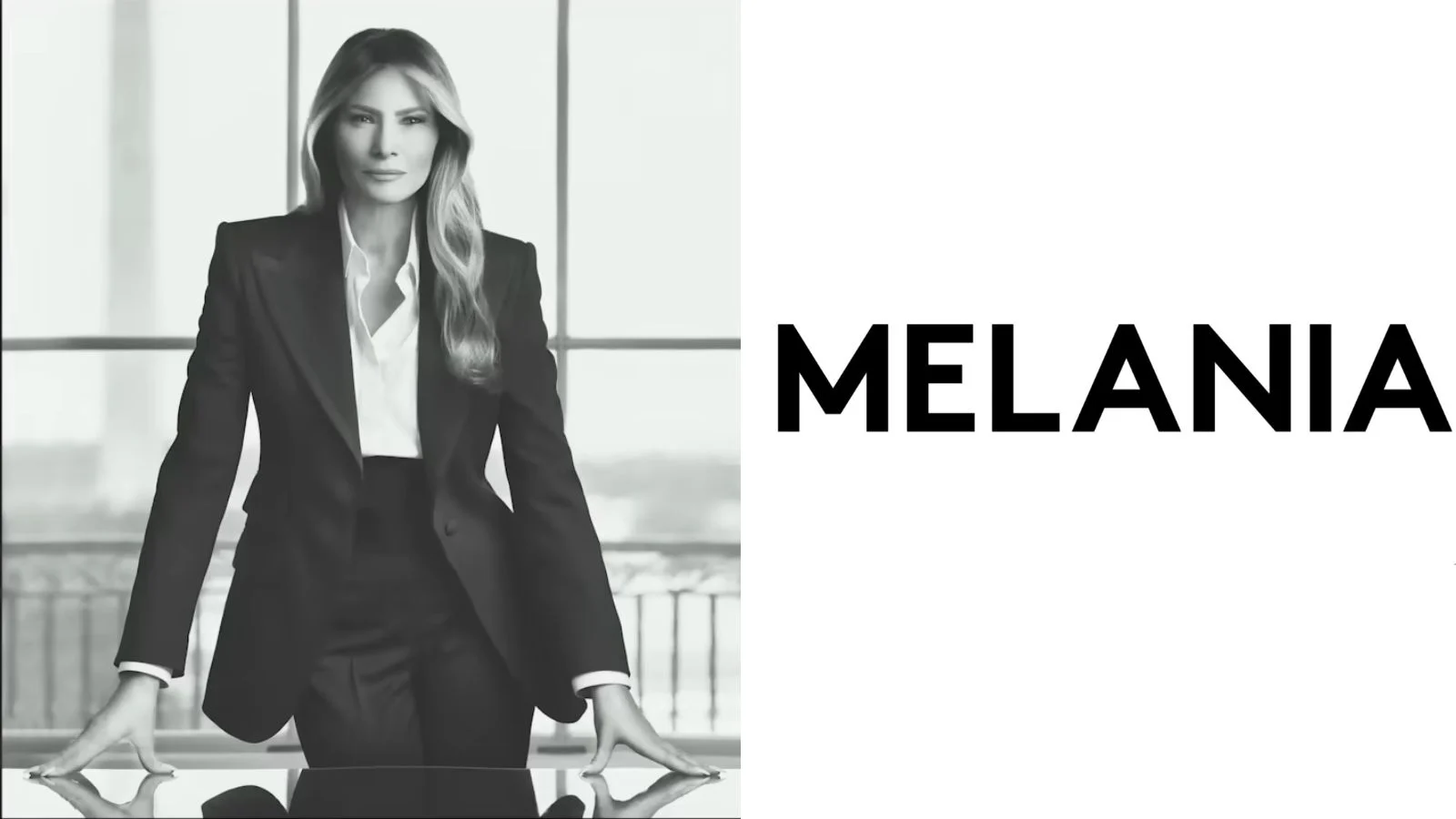
While the polls show Donald Trump has the voters, the advance ticket numbers for MELANIA show something else entirely: his supporters are happy to vote for him, but they aren’t willing to pay to watch a 104-minute transition vlog directed by Brett Ratner.
Despite the President’s recent claims that tickets to the premiere at the newly renamed “Trump-Kennedy Center“ are a “very hard get,” industry tracking tells a different story. Tracking models are currently projecting a domestic opening in the low single-digit millions—a fraction of the $40 million Amazon paid for it. One source told Hollywood insider Rob Shuter that in New York, “only a handful of seats have been booked,” adding: “The studio was expecting a big turnout, but so far it’s not materializing.”
It turns out that even the most loyal base has a limit, and asking them to shell out $25 for a movie that feels like a long-form campaign ad might be crossing it. Amazon bet $40 million on a theatrical event; right now, it looks like they bought a very expensive flop.
Here is why the strategy for the MELANIA documentary is fundamentally flawed.
The “Prime” Problem: It’s Not Worth the Wait
Amazon MGM Studios reportedly outbid Disney and Paramount for this project, paying $40 million—the largest documentary licensing deal in history. Usually, the argument is that people will skip the theater to watch it on streaming later. But in this case, the lack of enthusiasm suggests they might not even bother clicking “Play” when it hits Prime Video.
We’ve all been trained by the streaming wars to value our time. If a movie doesn’t look compelling enough to drive to a theater, it often isn’t compelling enough to finish on a Tuesday night at home, either. Melania is a figure defined by silence. A documentary where she “orchestrates inauguration plans” isn’t revealing; it’s administrative. Amazon is asking people to pay IMAX prices to watch someone check a seating chart. The “Amazon” branding signals that this is essentially “content,” not cinema. And if the content looks this dry, even “free” on Prime might be too expensive in terms of time.
The “Perfume Commercial” Aesthetic
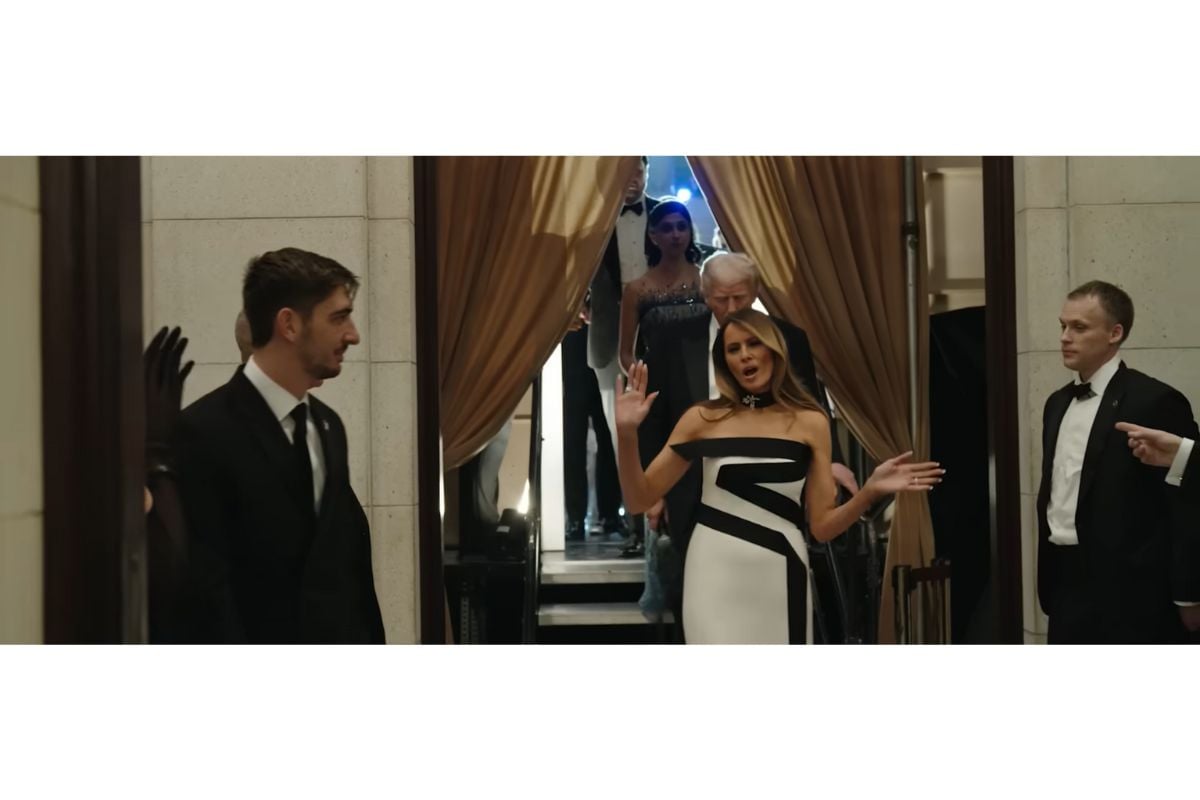
If you have seen the trailer, you might have noticed a distinct lack of narrative tension. It has been widely critiqued for looking “staged” and “static”—lots of slow-motion walking, gold elevators, and silent glaring. The visuals feel less like a blockbuster and more like a high-budget perfume advertisement or a Succession rip-off without the sharp dialogue.
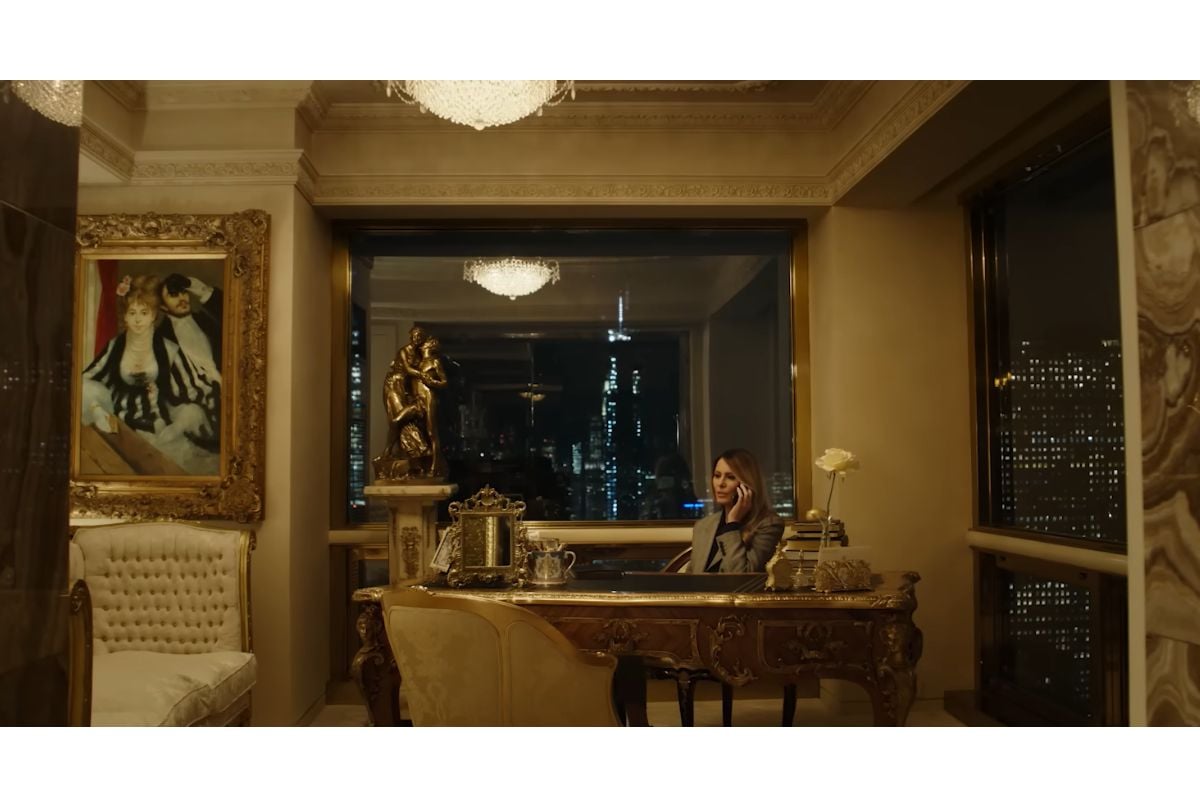
Audiences aren’t stupid. They can spot “agitprop” (political propaganda) a mile away. We go to the movies for conflict, drama, and story. The trailer promises 20 days of meeting planning and gala preparation. That isn’t a movie; that’s a LinkedIn update. Without a compelling narrative hook, the film fails the first rule of cinema: it has to be entertaining.
The “Director Poison” Factor
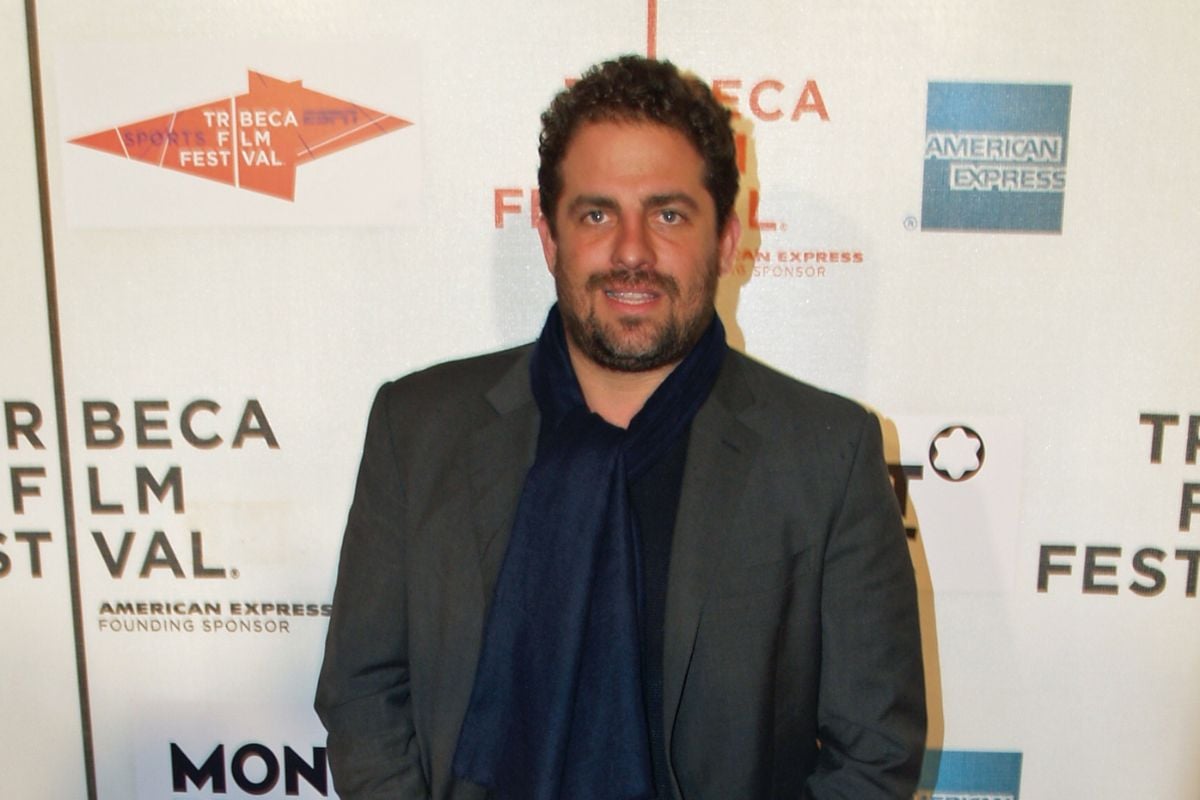
Then there is the issue of the director, Brett Ratner. His return to filmmaking after years of exile due to serious allegations is controversial, and that controversy has business consequences.
A movie needs buzz to survive. Usually, a release of this size would be accompanied by a massive promotional tour—late-night talk show appearances, viral clips, and celebrity endorsements. But because of Ratner’s involvement, mainstream entertainment outlets are likely to give the film a wide berth. The film is suffocating in a vacuum, cut off from the cultural oxygen it needs to reach anyone outside the existing political bubble.
A “Loss Leader” for the White House?
So why did Amazon do it? If the box office disappointment was predictable, the $40 million price tag seems insane—unless you look at it as a lobbying expense.
Ultimately, the weak ticket sales might not matter to Amazon MGM. In the high-stakes game of corporate lobbying, a $40 million production budget is a rounding error if it helps smooth the runway with the new administration. Jeff Bezos dined with Trump at Mar-a-Lago shortly before the deal was announced, and Amazon donated $1 million to the inaugural fund. This film was likely never about breaking box office records; it was about buying access. But for the average moviegoer, the lesson is clear: just because a studio puts it in a theater doesn’t mean it belongs there. We are witnessing a political handshake disguised as a blockbuster, and judging by the presale numbers, the public isn’t buying the disguise.