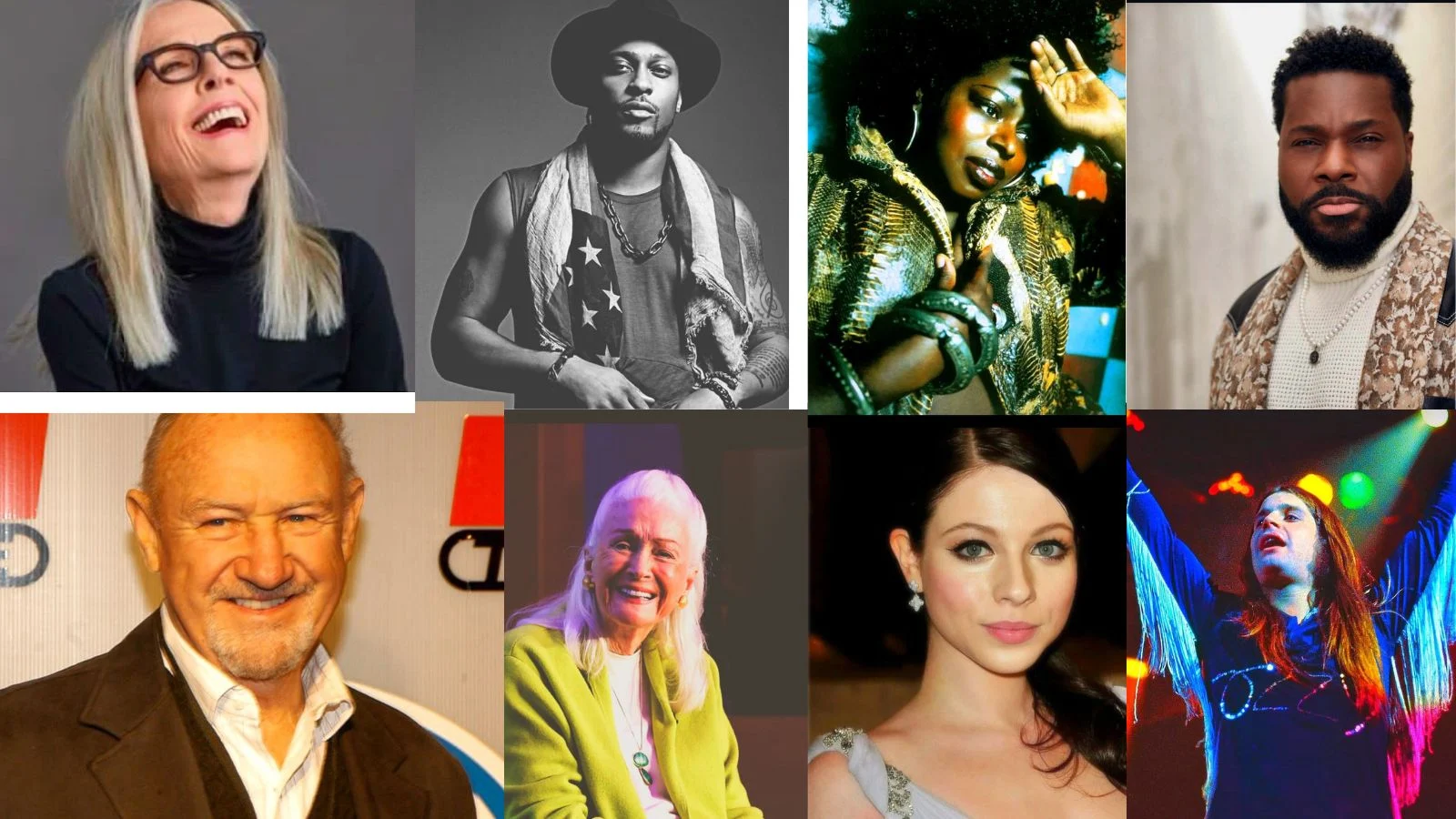
The year 2025 will be remembered in Hollywood not just for its blockbusters but for the profound silence left behind by the passing of some of its most luminous stars. From the quintessential “cool girl” of the 1970s to the pioneers of neo-soul and the “Prince of Darkness” himself, the loss felt personal to fans spanning multiple generations.
As we navigate the early days of 2026, the industry continues to grapple with the void left by these icons, whose work defined decades of film, music, and television. These were not just celebrities; they were cultural anchors who shaped the way we dress, the way we listen to music, and the way we understand the human experience through art.
1. Diane Keaton (1946–2025)
The world felt a little less chic on October 11, when the family of Diane Keaton announced her passing at the age of 79. While her loved ones did not immediately release a specific cause of death, the news triggered an immediate global reflection on a career that was as eclectic as her famous wardrobe. Keaton was the rare actress who could transition seamlessly from the avant-garde theater world, starting in the original 1968 Broadway production of Hair, to the pinnacle of Hollywood prestige.
Her role as Kay Adams-Corleone in The Godfather introduced her to the masses, but it was her partnership with Woody Allen that turned her into a legend. With Annie Hall, for which she won the Academy Award for Best Actress, she didn’t just play a character; she invented a persona. Her preference for menswear-inspired fashion, the ties, the vests, and the wide-brimmed hats, became a permanent fixture in the fashion world, proving that feminine power didn’t have to follow a traditional script.
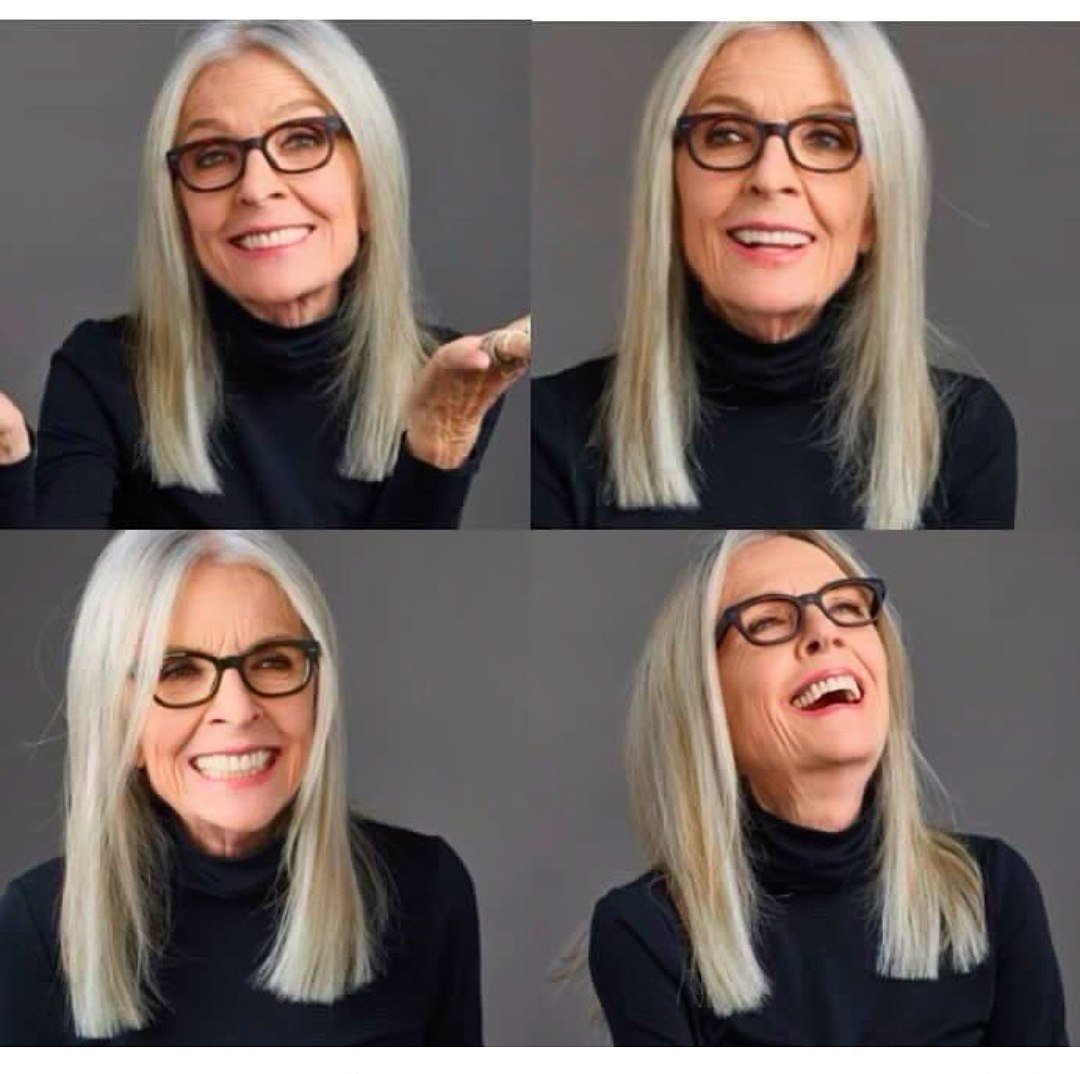
Keaton’s brilliance lay in her longevity. Unlike many stars of her era, she found immense success well into her 50s, 60s, and 70s, leading the charge in films that celebrated the lives and loves of mature women. From the vengeful camaraderie of The First Wives Club to the vulnerable romance of Something’s Gotta Give, she remained a box-office draw and a critical darling.
Beyond her acting, Keaton was an accomplished photographer, author, and architectural preservationist, often sharing her passion for home design with her millions of followers on social media. Her ability to remain authentically herself, quirky, intellectual, and fiercely independent, made her a hero to women across the globe.
As news of her passing spread, the hashtag #AnnieHallForever trended globally, with fans and fellow actors like Meryl Streep and Steve Martin sharing stories of her kindness and her singular, “uncopyable” spirit. She didn’t just play roles; she created a world where it was okay to be a little bit “nervous” and a whole lot of talented.
2. Ozzy Osbourne (1948–2025)
On July 22, the music world lost its most resilient rebel. Ozzy Osbourne, the Black Sabbath frontman who essentially co-created the heavy metal genre, died at age 76. In a statement shared with PEOPLE, his family noted he passed “with family and surrounded by love.” For many, it was the end of a story that seemed like it would never conclude; Ozzy had survived decades of rock-and-roll excess, health scares, and a public battle with Parkinson’s disease.
Just two weeks before his death, he gave fans a parting gift: a massive farewell concert in his hometown of Birmingham. The event was a heavy metal coronation, featuring tribute videos and surprise appearances by members of Metallica and Guns N’ Roses. Despite his physical frailty, the “Prince of Darkness” delivered a performance that reminded the world why he was the ultimate showman.
He ended the night with “Paranoid,” a song that has served as an anthem for the misunderstood for over half a century.
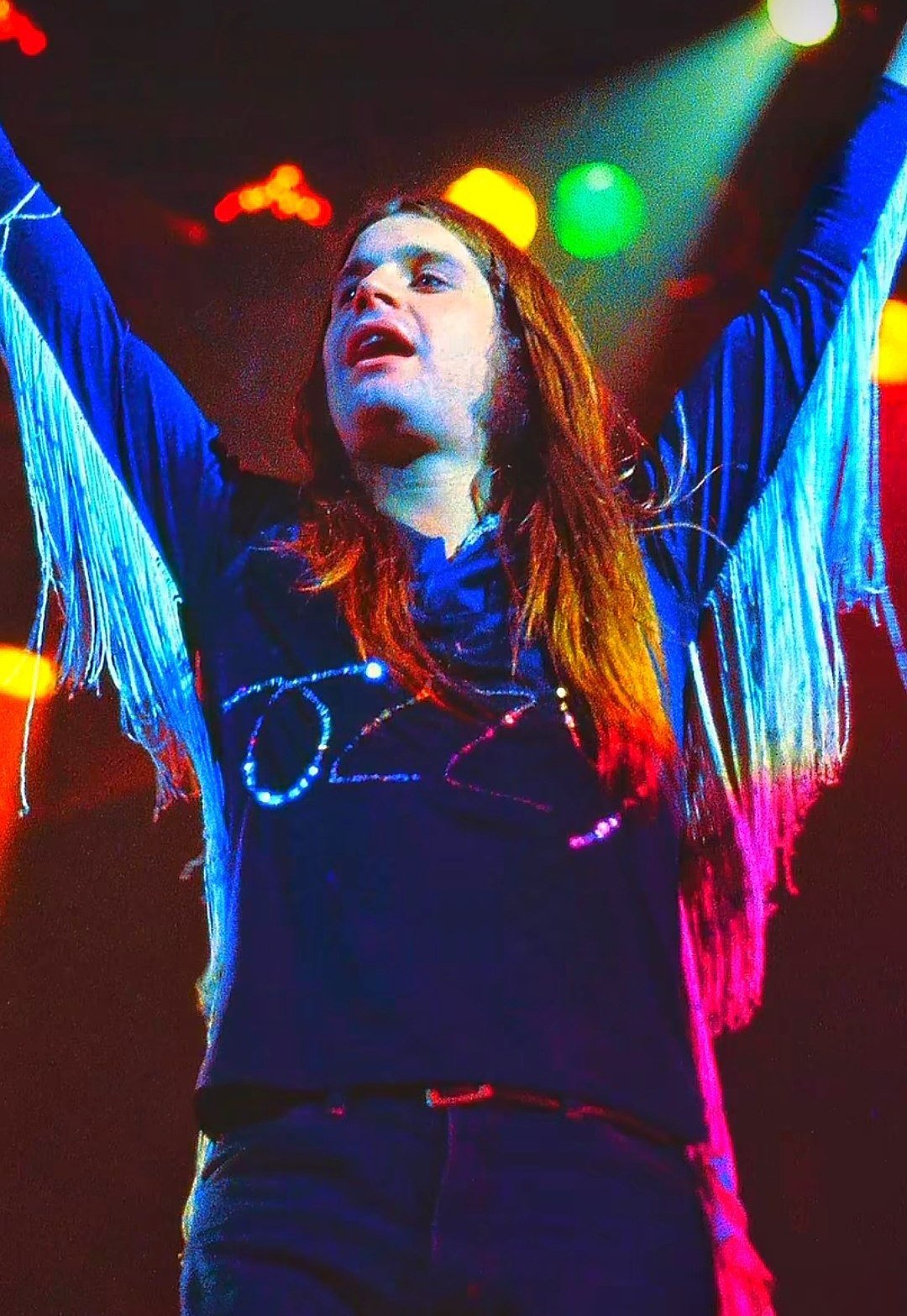
Ozzy’s impact transcended music. In the early 2000s, he reinvented himself for a new generation as the bumbling, lovable patriarch on MTV’s The Osbournes, arguably inventing the modern celebrity reality TV format. Yet, underneath the reality star persona was a man who took his craft with extreme seriousness. He possessed one of the most recognizable voices in the history of recorded music, a haunting, melodic wail that could cut through a wall of distorted guitars.
From his solo hits like “Crazy Train” to the doom-laden riffs of Black Sabbath’s early records, he provided the soundtrack for subcultures worldwide. His death marks the true end of the “Golden Age” of heavy metal. As his wife Sharon and children, Jack and Kelly, have expressed in various interviews, Ozzy lived ten lives in one. While he often joked about his “immortality,” his passing on July 22 proved that even legends eventually find peace, leaving behind a legacy that is as loud and enduring as a power chord.
3. Diane Ladd (1935–2025)
The passing of Diane Ladd on November 3 at her home in Ojai, California, was a moment of profound sadness for the acting community. At 89, Ladd was a three-time Academy Award nominee and a woman who embodied the “actor’s actor” ethos. Her daughter, Laura Dern, shared the news through a heartbreaking but beautiful statement, calling Ladd her “amazing hero” and a “profound gift of a mother.” Ladd’s career was a masterclass in versatility.
She earned her first Oscar nod for Alice Doesn’t Live Here Anymore, playing the brassy, scene-stealing Flo. Decades later, she made history alongside Dern as the first mother-daughter duo to be nominated for Oscars for the same film in Rambling Rose. Her work was often characterized by a raw, Southern-tinged emotionality that felt both dangerous and deeply familiar.
To younger audiences, she was the soulful presence in Chesapeake Shores and a constant companion to Dern in projects like HBO’s Enlightened.
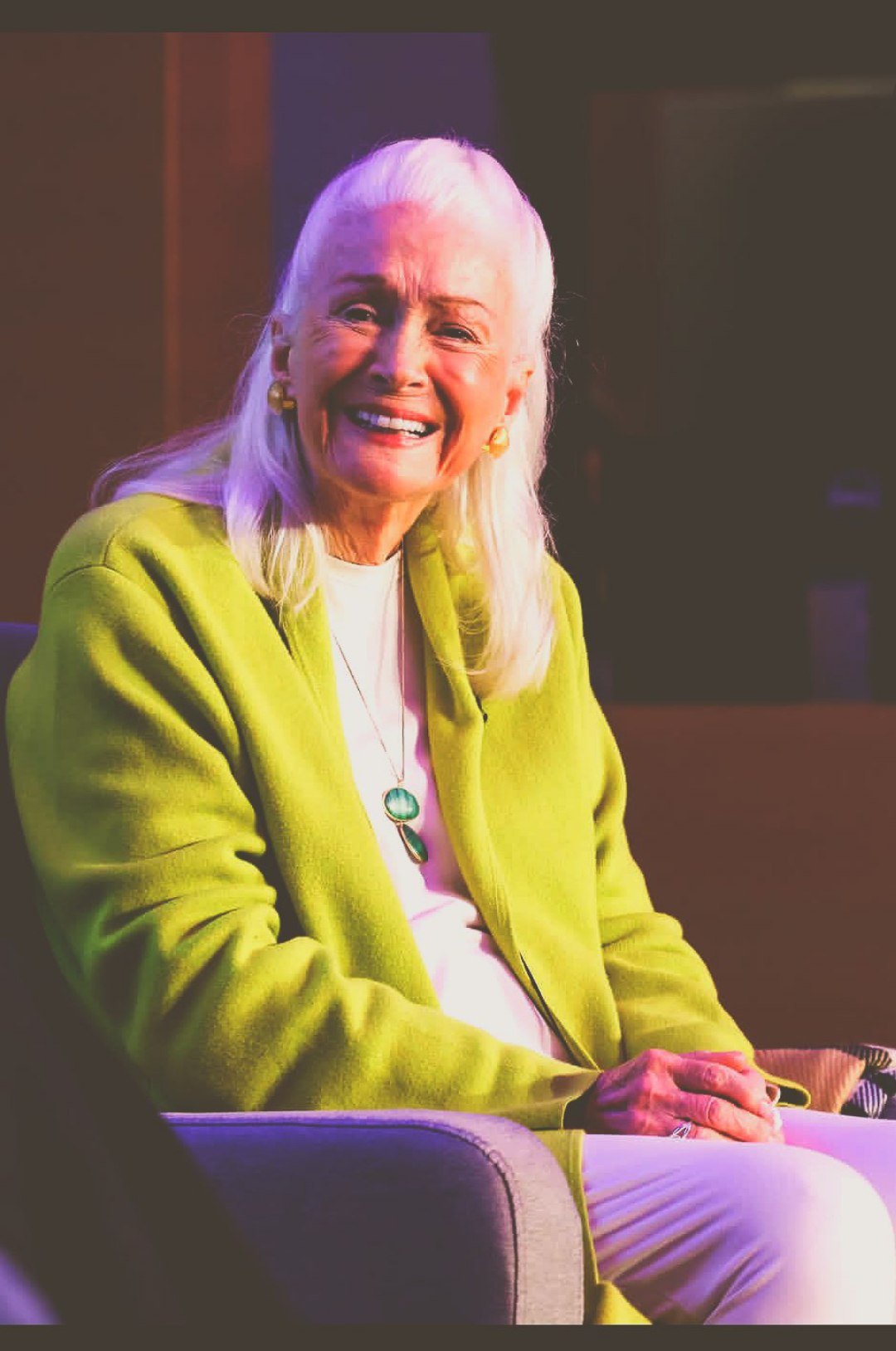
Ladd was also a fierce advocate for health and wellness, often speaking about her recovery from a near-fatal lung illness in her later years, a journey documented in the book Honey, Baby, Mine, which she co-authored with Dern. Her home in Ojai had become a sanctuary for her, and it was there, surrounded by the nature she loved and the daughter who was her greatest pride, that she slipped away.
The bond between Ladd and Dern was one of the most celebrated and public displays of healthy familial love in Hollywood, making her loss feel deeply personal to fans who had watched their relationship evolve on and off screen. In the wake of her death, peers like Martin Scorsese and Reese Witherspoon lauded her as a pioneer for women in the industry, a woman who refused to be “put in a box” and who fought for every role with the tenacity of a lioness. Her spirit, as Dern noted, was one that “only dreams could have seemingly created.”
4. D’Angelo (1974–2025)
The music world was stunned on October 14 when news broke that D’Angelo, the reclusive genius of neo-soul, had passed away in New York City at the age of 51. According to [Link: TMZ, the “Brown Sugar” singer died following a private battle with pancreatic cancer. D’Angelo’s impact on R&B cannot be overstated; he was the primary architect of a sound that blended the spirituality of gospel, the grit of hip-hop, and the smoothness of 70s soul.
His 2000 album Voodoo is widely considered one of the greatest records of all time, a masterpiece of rhythmic complexity and vocal layeredness. Despite his immense talent, he spent much of his career away from the spotlight, struggling with the pressures of fame and the “sex symbol” status that followed the iconic music video for “Untitled (How Does It Feel).”
When he returned in 2014 with Black Messiah, it was hailed as a triumphant comeback, proving his musical instincts were sharper than ever.
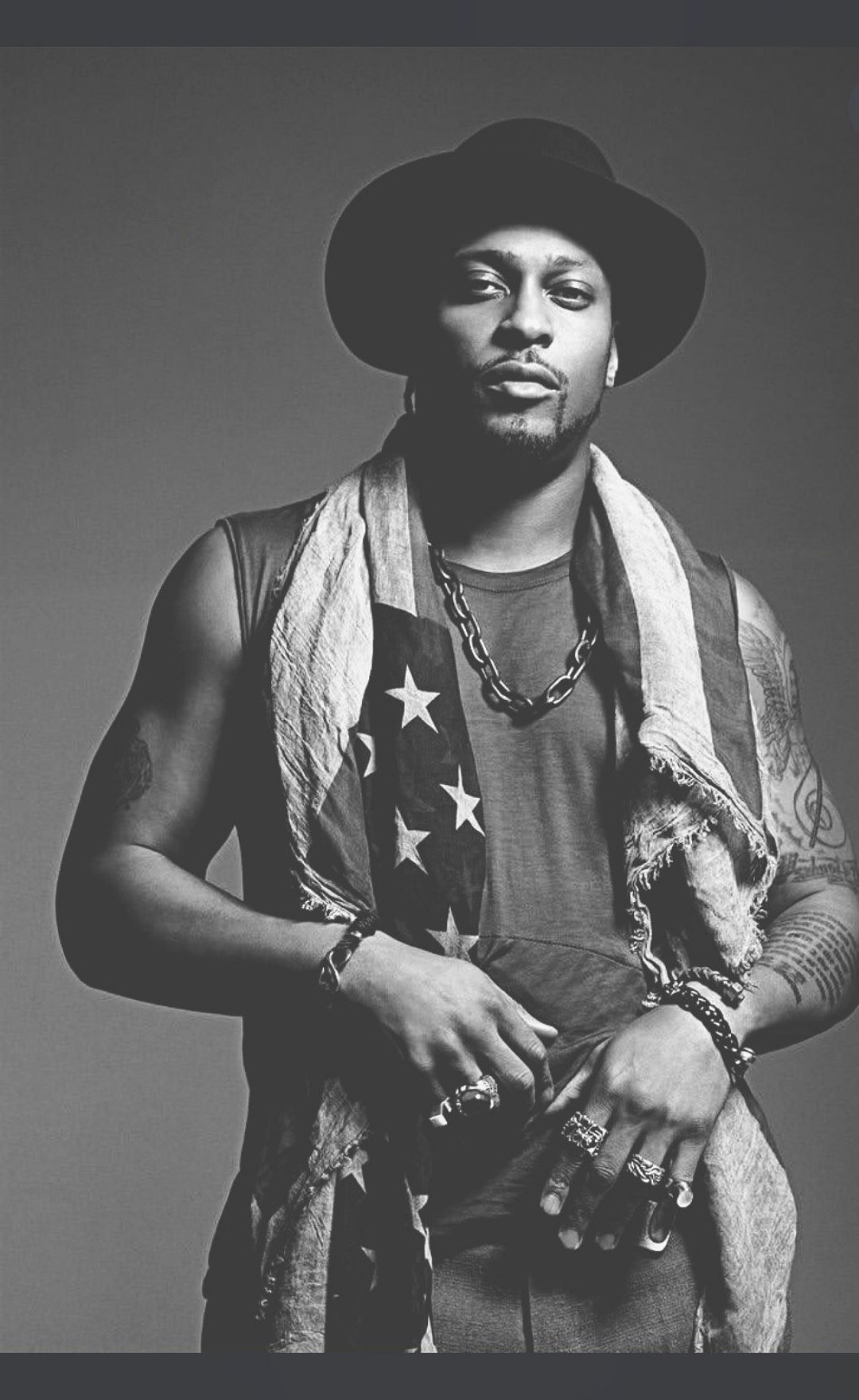
The outpouring of grief from the hip-hop and R&B community was a testament to his influence. DJ Premier, who collaborated with him on the 1998 track “Devil’s Pie,” wrote a moving tribute: “Gonna miss you so much. Sleep Peacefully D’ Love You KING.” Others, like Questlove and Erykah Badu, have previously spoken about D’Angelo as a “musician’s musician”, a person who lived and breathed sound.
His death at 51 is a reminder of the devastating toll of pancreatic cancer, a disease that often strikes without warning. D’Angelo was a man of few words but immense feeling, and his music provided a sanctuary for listeners looking for something deeper than pop artifice. As fans revisit his discography, the consensus remains: we didn’t just lose a singer; we lost a prophet of soul.
His legacy will live on in every singer who prioritizes groove over glitter and heart over hooks.
5. Michelle Trachtenberg (1985–2025)
In perhaps the most shocking news of the year, Michelle Trachtenberg was found dead in New York City at the age of 39. To a generation of viewers, Trachtenberg was a permanent fixture of their youth. She became a star at age 10 as the lead in Harriet the Spy, but it was her role as Dawn Summers, the “Key” and little sister to the titular hero in Buffy the Vampire Slayer, that earned her a permanent place in pop culture history.
Later, she played the villainous Georgina Sparks in Gossip Girl, delivering some of the show’s most iconic and biting lines. According to reports, police found her in her NYC home and stated that “no criminality was suspected.” In the years preceding her death, Trachtenberg had been the subject of intense “online speculation” regarding her health, often responding to fans on social media who commented on her appearance.
She frequently defended herself, urging people to be kind and noting that “this is what aging looks like.”
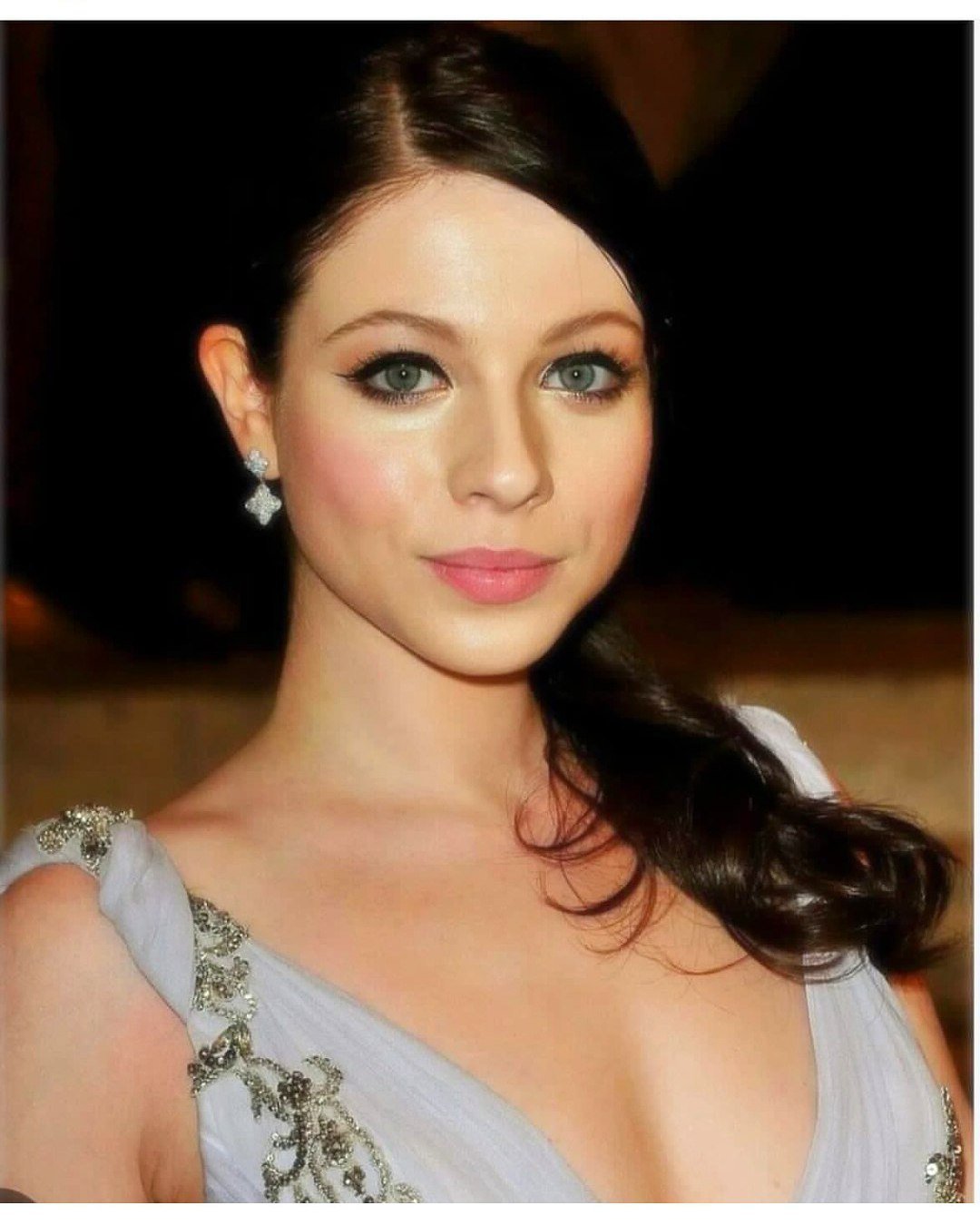
Her death has reignited a conversation about the scrutiny child stars face as they grow up in the digital age. Friends and costars from Buffy and Gossip Girl flooded social media with tributes, describing her as a “brilliant, sharp-witted” woman who had a deep love for the arts.
Sarah Michelle Gellar shared a poignant post about their “sisterhood,” while the creators of The Adventures of Pete & Pete, where she got her start, remembered her as a prodigy who was “smarter than the adults in the room.” While her cause of death was not immediately publicized, her passing at such a young age has left fans reeling. She was a woman who had been in the public eye for 36 of her 39 years, a veteran of the industry who still seemed to have so much potential for a second act.
Her legacy is one of a versatile actress who could play the hero, the villain, and the girl next door with equal conviction.
6. Malcolm-Jamal Warner (1970–2025)
The entertainment industry was paralyzed with shock on July 20 when news broke that Malcolm-Jamal Warner had died while on a family vacation in Costa Rica. He was 54. According to Deadline, the actor was “caught in high current” while swimming and died of asphyxia. Warner was beloved by millions as Theo Huxtable on The Cosby Show, a role that earned him an Emmy nomination at just 15.
However, Warner was much more than a child star; he was a prolific director, a Grammy-winning bass player, and a respected poet. In recent years, he had won acclaim for his role as Dr. AJ Austin on The Resident, where he brought a commanding, soulful presence to the screen. He was also a vocal advocate for mental health and social justice, often using his platform to discuss the complexities of being a Black man in Hollywood.

Warner is survived by his wife and daughter, whom he kept out of the spotlight to protect their privacy. His death feels like a particularly cruel twist of fate, occurring during a rare moment of rest for the notoriously hardworking star. Tributes from his “TV family” and the wider industry emphasized his professionalism and his role as a mentor to younger actors. “He was the big brother we all wanted,” one former costar wrote.
Warner had successfully navigated the “child star curse” to become a respected elder statesman of television, making his sudden departure all the more tragic. He was a man who seemed to have figured it out, how to be a star without losing his soul, and how to be an artist without sacrificing his family. The “high current” that took him away also took a voice of reason and talent that will be sorely missed in the halls of Hollywood.
7. Gene Hackman (1930–2025)
On February 26, the legendary Gene Hackman was found dead at his home in Santa Fe, New Mexico, at the age of 95. The news was made even more tragic by the discovery that his wife of 30 years, Betsy Arakawa, had also passed away. Initial confusion was cleared by authorities on March 7, who revealed that Arakawa had died from hantavirus, while Hackman, who had been suffering from heart disease and advanced Alzheimer’s, died likely days after her. Hackman was the definition of “grit” in American cinema.
He didn’t become a star until his late 30s with Bonnie and Clyde, but once he arrived, he dominated. From the frantic car chase in The French Connection to the psychological depth of The Conversation and the comedic brilliance of The Royal Tenenbaums, Hackman was a chameleon. He won two Oscars and remained one of the most respected figures in the industry even after his retirement in 2004.
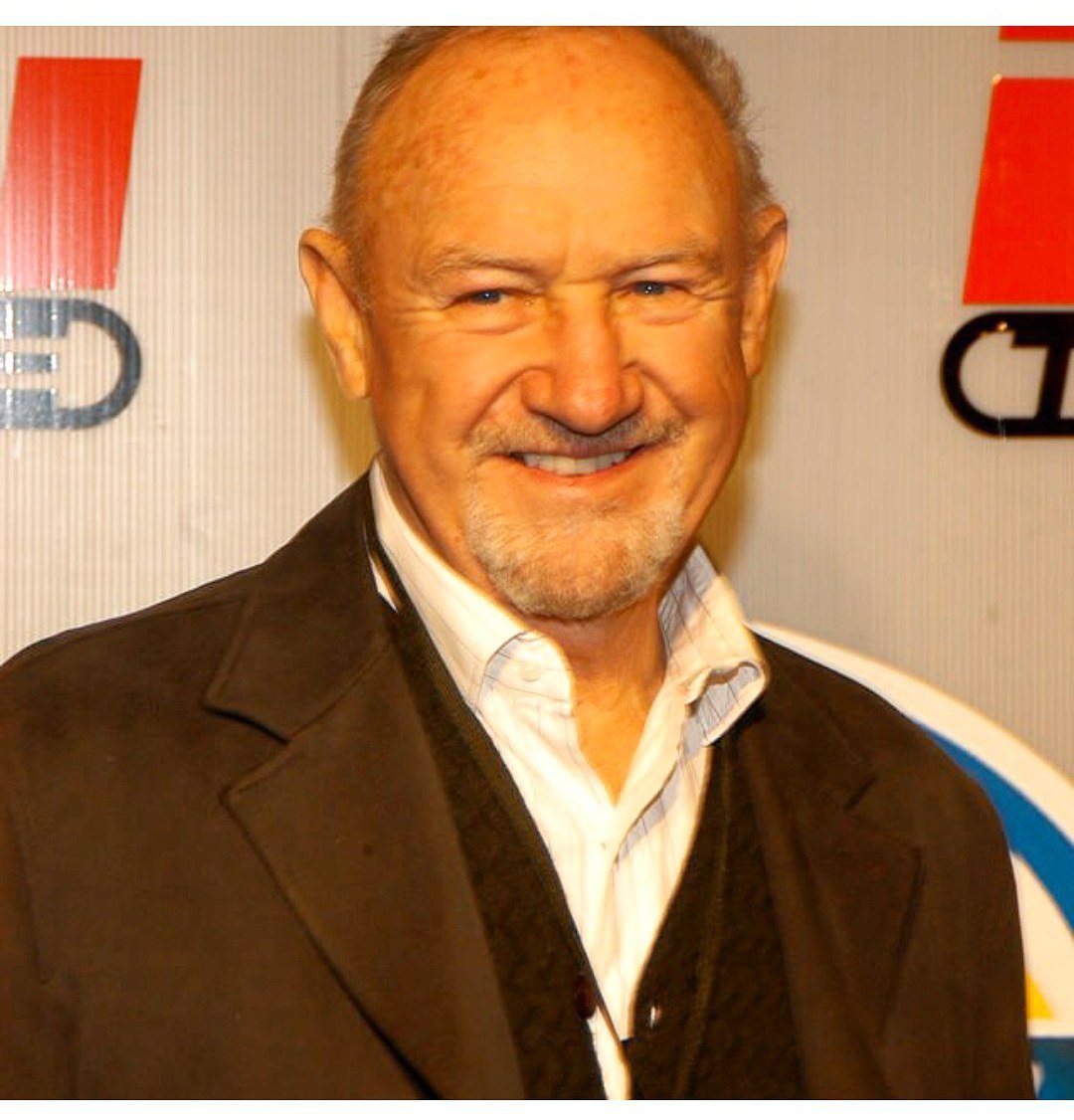
Hackman’s retirement was one of the most successful in Hollywood history; he truly stepped away, preferring the quiet life of a novelist in New Mexico to the glitz of Los Angeles. He was a man who valued his privacy and his craft above all else. His death marks the loss of one of the last links to the “Golden Age” of character-driven 70s cinema. Directors like Clint Eastwood and Wes Anderson have cited him as one of the most powerful actors to ever step in front of a lens.
Hackman didn’t “act” so much as he “existed” on screen, bringing a terrifying or heart-wrenching reality to every frame. That he passed away so close to his beloved wife is a poetic, if devastating, end to a long life of shared devotion. He leaves behind a body of work that serves as a textbook for every aspiring actor: no vanity, all truth.
8. Angie Stone (1961–2025)
The R&B community suffered a massive blow on March 1 when Grammy-nominated artist Angie Stone died in a car accident involving an 18-wheeler near Montgomery, Alabama. She was 63. A representative confirmed the news to USA News, leaving fans of neo-soul in a state of mourning. Stone was a pioneer who saw the evolution of Black music firsthand.
She started in the late 70s with the hip-hop trio The Sequence, before becoming a songwriter for icons like Mary J. Blige and eventually a solo star in her own right. Her 1999 debut, Black Diamond, was a cornerstone of the neo-soul movement, and her hit “Wish I Didn’t Miss You” remains a staple of soul radio to this day.
Stone was known for her rich, raspy alto and her ability to write lyrics that spoke directly to the experiences of Black women.

Stone’s death is a reminder of the fragility of life, even for those who seem like permanent fixtures in our culture. She had spent the last several years touring and working on new music, remaining a vital part of the festival circuit. Her influence extended beyond her own records; she was a bridge between the old-school soul of Gladys Knight and the modern R&B of SZA.
In the wake of her passing, artists like Jill Scott and Ledisi have shared how Stone blazed a trail for “real soul” in a pop-dominated industry. As we reflect on the eight stars lost in 2025, Stone’s voice stands out as one of the most comforting, a voice that felt like a warm embrace. Her death, occurring so early in the year, set a somber tone for a 2025 that would go on to claim so many other greats.